Key Takeaway
Import electrical cable from China step by step: find certified factories, verify quality (IEC/ASTM), negotiate FOB terms, arrange shipping & customs. Avoid 5 costly mistakes importers make.
China produces approximately 35% of the world's electrical cables — making it by far the largest cable manufacturing hub globally. Whether you need overhead conductors (ACSR, AAC, AAAC), power cables, or aerial bundled cables for a utility project, importing directly from Chinese factories can reduce your procurement cost by 20–40% compared to buying through trading companies or local distributors.
But importing cable from China involves more than finding the cheapest price. Quality verification, factory assessment, shipping logistics, and customs compliance all require planning. This guide walks you through the entire process — from identifying suppliers to receiving goods at your port — based on our experience exporting to 50+ countries over the past 45 years.
The buyers who get burned rarely get burned on price — they get burned after the money is paid. A container of under-spec conductor that fails the project acceptance test. A shipment held at destination customs because the certificate of origin was the wrong form. 500 tonnes of cable that cannot practically be shipped back to China once it has landed at your port. Every one of these outcomes is avoidable with the right process up front — and every one of them is addressed in the steps below.
We sit on the manufacturing side of this business. But across 45 years and 50+ export markets, we have seen enough first orders go wrong to know exactly where buyers get caught. What follows is the process we would want any buyer to follow — whether they end up ordering from us or from a competitor.
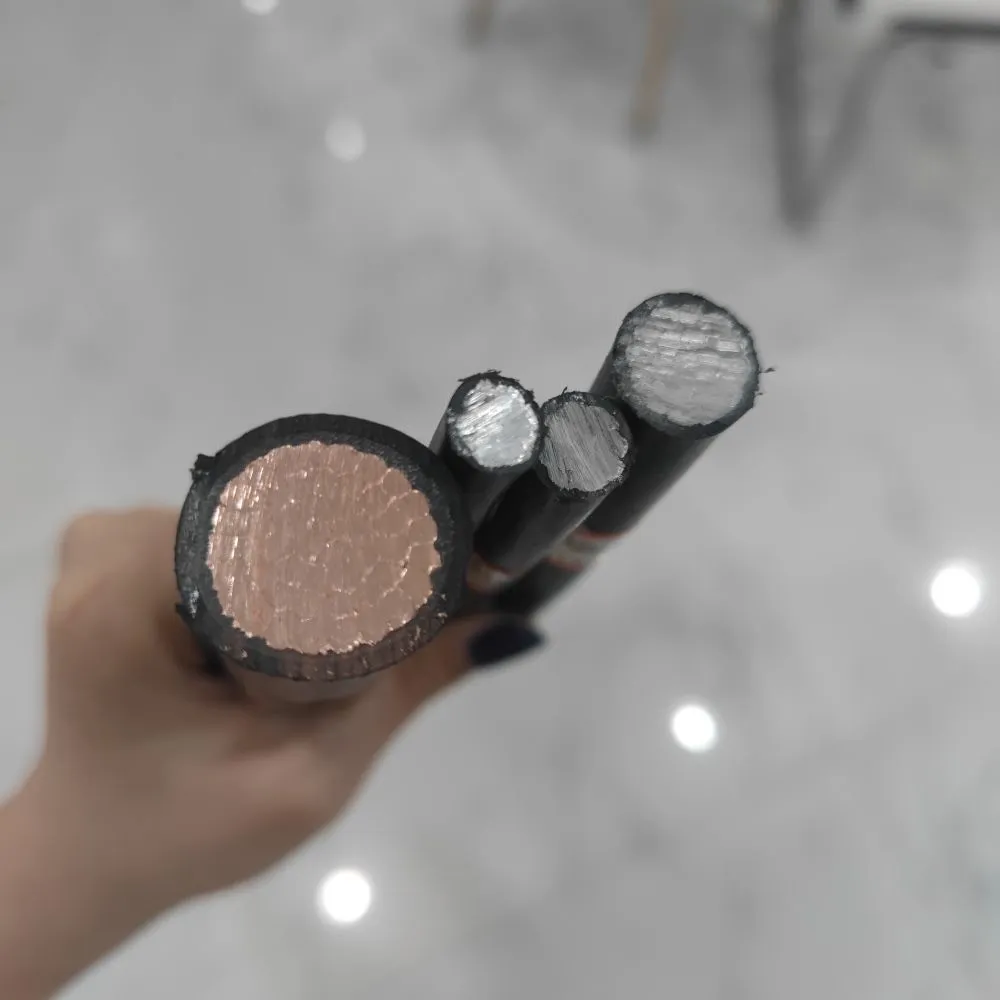
Why Import Cable from China?
Cost Advantage
China's cable manufacturing cost advantage comes from multiple factors:
| Factor | Impact |
|---|---|
| Raw material access | China smelts 57% of world's aluminium — direct supply, no import premiums |
| Scale of production | Largest factories run 40–100 production lines simultaneously |
| Labour efficiency | Highly automated production with lower labour cost per tonne |
| Competitive market | 3,000+ cable factories in China create pricing pressure |
| Integrated supply chain | Wire rod, stranding, insulation, testing — all in one location |
Real example: A 500-tonne order of ACSR conductor for an African utility project. Chinese factory pricing was significantly below regional supplier quotes — buyers routinely save 20–40% on conductor cost by sourcing directly from China.
Production Capacity
China's cable industry has massive capacity. Our single factory produces 50,000+ tonnes annually across 60 production lines. This means:
- Short lead times — Standard products in 15–25 days
- Large order capability — We can handle 5,000+ tonne project orders
- Parallel production — Multiple cable types manufactured simultaneously for the same project
Standards Compliance
Chinese cable factories routinely manufacture to international standards:
- IEC (International Electrotechnical Commission)
- ASTM (American Society for Testing and Materials)
- BS (British Standards)
- NFC (French Standards)
- SABS (South African Bureau of Standards)
- Any national utility specification you provide
This isn’t a recent development — Chinese factories have exported to international standards for 20+ years. The key is choosing the right factory (see our top 10 XLPE cable manufacturers in China for a vetted shortlist).
Step 1: Define Your Technical Requirements
Before contacting any supplier, document exactly what you need. Vague inquiries get vague quotes. Specific inquiries get accurate, comparable quotes.
What to Specify
| Item | Details to Include |
|---|---|
| Cable type | ACSR, AAC, AAAC, ABC, XLPE, OPGW, etc. |
| Cross-section / size | In mm² or AWG, with code name if applicable |
| Standard | IEC 61089, ASTM B232, BS 215, etc. |
| Quantity | In km or tonnes — per size |
| Voltage rating | For insulated cables: 0.6/1kV, 11kV, 33kV, etc. |
| Conductor material | Aluminium EC, aluminium alloy 6201, copper |
| Insulation (if applicable) | XLPE, PVC, PE — specify thickness if required |
| Test requirements | Routine tests, type tests, sample tests |
| Certification needs | KEMA, CB, specific country certification |
| Packaging | Wooden drums, steel drums, coils — drum dimensions if specified |
| Delivery terms | FOB, CIF, CFR — to which port |
| Timeline | When you need delivery |
Example Inquiry (Good vs Bad)
Bad inquiry:
"We need some ACSR cable. Please send your price list."
This tells the supplier nothing about your actual requirement. You'll get a generic list that may not match your needs.
Good inquiry:
"We need ACSR conductor per IEC 61089:
- ACSR Rabbit 50/8 — 200km (on 3,000m wooden drums)
- ACSR Dog 100/17 — 150km (on 4,000m wooden drums)
- ACSR Wolf 150/25 — 80km (on 3,000m wooden drums)
Standard: IEC 61089, zinc coating Class B per IEC 60888. Testing: Routine test per IEC 61089, clause 11. Third-party inspection by SGS. Delivery: CIF Mombasa, Kenya. Required by March 2025. Payment: L/C at sight or 30% T/T advance + 70% against B/L copy."
This inquiry gets you an accurate, project-specific quotation within 24 hours.
Interested in this product?
Send Your Cable Inquiry — Get Factory Quote in 24hStep 2: Find Reliable Cable Manufacturers in China
Where to Search
| Source | Pros | Cons |
|---|---|---|
| Trade shows (Canton Fair, Wire China) | Meet face-to-face, see samples | Travel required, twice yearly |
| Alibaba/Made-in-China | Large supplier database, easy search | Many traders posing as factories |
| Industry referrals | Pre-vetted, trusted | Limited options |
| Google search | Find factory websites directly | Need to verify legitimacy |
| Chinese embassy commercial section | Country-specific factory lists | May be outdated |
How to Distinguish Factories from Traders
This is the single most important skill in China sourcing. Trading companies add 5–15% markup and have no quality control over production. Here's how to tell the difference:
| Indicator | Factory | Trading Company |
|---|---|---|
| Address | Industrial zone / factory district | Office building in city centre |
| Staff | Engineers, QC team, production manager | Sales staff only |
| Response time on technical questions | Immediate, detailed | Delayed (needs to ask factory) |
| Factory photos/videos | Consistent branding, real facility | Generic or borrowed images |
| Business license | "Manufacturing" in scope | "Trading" or "import/export" in scope |
| Invitation to visit | Welcomes audits | Evasive or redirects to "partner factory" |
| Production lead time | Specific (e.g., "22 days for this size") | Vague ("about 1 month") |
Red Flags to Watch For
- Price significantly below market (10–20% cheaper than all other quotes) — likely cutting corners on material quality
- Unable to provide type test reports or certifications
- Refuses factory visit or third-party inspection
- No verifiable export history (ask for references in your region)
- Pressure to pay full amount upfront via T/T
- Company established less than 2 years ago
Our Factory at a Glance
To give you a benchmark of what a legitimate cable manufacturer looks like:
- Established: 1981 (45+ years in production)
- Location: Henan Province (China's cable manufacturing hub)
- Capacity: 50,000+ tonnes/year, 60 production lines
- Products: ACSR, AAC, AAAC, ABC, OPGW, XLPE power cable
- Certifications: ISO 9001, ISO 14001, IEC CB Certificate, KEMA type test — understand what each certification proves
- Export markets: 50+ countries across Africa, Middle East, South America, Southeast Asia
- Inspection policy: Open factory, welcome SGS/BV/TUV inspection anytime
Learn more about our factory and production capabilities.
Step 3: Request and Compare Quotations
Best Practice: Get 3–5 Quotes
Contact at least 3 verified factories with the same technical specification. This gives you:
- Market price reference (if all quotes are in a similar range, you have confidence)
- Negotiating leverage
- Backup options if one factory can't meet timeline
What a Good Quotation Includes
| Element | What to Look For |
|---|---|
| Unit price | Per km or per tonne, in USD or agreed currency |
| Incoterm | FOB/CIF/CFR — clearly stated with port name |
| Payment terms | L/C, T/T split, or other — clearly defined |
| Delivery time | In days from order confirmation / L/C receipt |
| Validity | Quote valid for X days (usually 7–15, due to metal price fluctuation) |
| Specifications | Matching your inquiry exactly — watch for substitutions |
| Packing details | Drum type, length per drum, drum dimensions |
| Testing scope | What's included in the price vs. extra cost |
| Standards compliance | Clearly stated which standard applies |
Price Comparison Tips
Don't compare prices blindly. Adjust for:
- Incoterm differences — FOB vs CIF differ significantly depending on destination and freight rates
- Drum type — Steel drums cost substantially more per drum than wooden
- Testing scope — Some factories include full routine test in the price; others charge extra for test reports
- Cable length per drum — Shorter lengths = more drums = higher drum cost per km
- Currency and payment terms — L/C at sight is safest for buyer; 100% T/T advance is cheapest for factory (they may discount 1–2%)
Negotiation Strategy
- Never accept the first price — Most Chinese factories build 3–5% negotiation room into initial quotes
- Use volume as leverage — Commit to a larger order or future orders for better pricing
- Ask about LME-linked pricing — For aluminium cable, the price fluctuates with London Metal Exchange. Ask for "LME + processing fee" formula pricing for large orders
- Don't squeeze too hard — If you push the price below sustainable margin, the factory will cut corners on material quality. A fair price = reliable quality.
Step 4: Verify Quality Before Ordering
Factory Audit
For orders above $100,000, a factory audit is strongly recommended. Options:
| Audit Type | Cost | What You Get |
|---|---|---|
| Self-visit | Travel costs only | Full personal assessment |
| Third-party audit (SGS, BV, TUV) | $800–2,000 | Professional report, QMS assessment |
| Video tour | Free | Basic visual confirmation (ask factory) |
| Desk audit (documents only) | Minimal | Certificates, export records, references |
What to check during a factory audit:
- Production equipment condition and age
- Raw material storage and traceability (aluminium rod certificates)
- In-process quality control (wire diameter checks, lay ratio measurement)
- Testing laboratory equipment (tensile tester, resistance bridge, OTDR for OPGW)
- Finished goods storage and packaging area
- Past export packing (look at drums ready for shipment)
- Worker safety and housekeeping (indicates management quality)
Sample Testing
Before committing to a project-volume order:
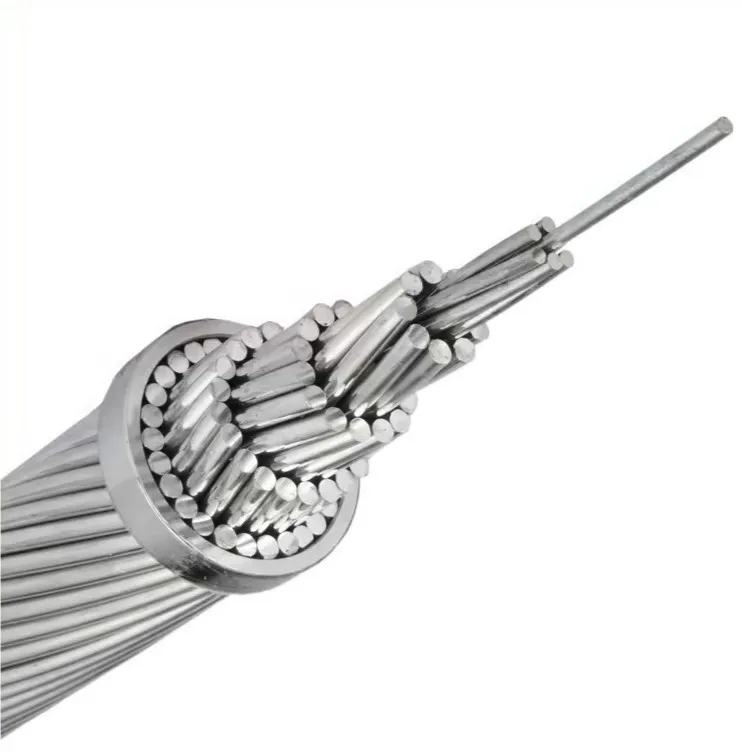
- Request a 1-metre sample of each cable size — most factories provide this free
- Send to an independent lab for verification (cross-section measurement, resistance, tensile)
- Or request the factory to produce a trial drum (1 drum per size) for your inspection
Not sure what to look for in the test results? Our cable quality testing guide explains how to read test reports step by step and which values to flag.
Pre-Shipment Inspection (PSI)
For every export order, arrange a pre-shipment inspection. This is your last checkpoint before goods leave the factory:
| Inspection Point | What to Verify |
|---|---|
| Visual inspection | Cable surface quality, no damage, proper marking |
| Dimensional check | Wire diameter, overall diameter, insulation thickness |
| Electrical test | DC resistance, insulation resistance (for insulated cables) |
| Mechanical test | Tensile strength (breaking load), elongation |
| Length measurement | Verify actual cable length matches contract |
| Packing inspection | Drum condition, marking, wrapping, container loading plan |
| Documentation review | Test reports, packing list, certificate of origin |
Who performs PSI:
- SGS, Bureau Veritas (BV), TUV, Intertek — international inspection companies with China offices
- Your own representative if you have local staff in China
- Factory's QC team with live video — acceptable for repeat orders with trusted suppliers
Cost: $300–800 per inspection day depending on location and scope.
Interested in this product?
Request Free Samples & a Third-Party Inspection PlanStep 5: Payment Terms and Financial Security
Common Payment Methods
| Method | Risk for Buyer | Risk for Seller | Best For |
|---|---|---|---|
| L/C at sight | Low (bank guarantees) | Low (guaranteed payment) | Large orders, first-time orders |
| L/C 30/60/90 days | Low | Medium (delayed payment) | Established relationships |
| 30% T/T + 70% against B/L copy | Medium | Medium | Medium orders, some trust |
| 30% T/T + 70% against inspection | Low-medium | Medium | Orders with third-party PSI |
| 100% T/T advance | High | None | Not recommended for first orders |
| Western Union / PayPal | High | Low | Avoid for industrial purchases |
Our Recommendation for First-Time Buyers
Letter of Credit (L/C) at sight is the safest option for both parties:
- You don't pay until the bank confirms documents match L/C terms (Bill of Lading, packing list, test reports, certificate of origin, insurance — all verified)
- The factory is guaranteed payment once they ship correctly and present conforming documents
- Cost: Bank charges typically 0.5–1.5% of L/C value
For smaller orders (under $50,000) or repeat business, 30% T/T advance + 70% against B/L copy is practical. The 30% covers raw material procurement; the 70% is released when you receive shipping documents proving goods are on the water.
Currency Considerations
- Most Chinese cable factories quote and accept USD
- EUR and RMB also accepted by many factories
- Agree on the exchange rate basis if paying in non-USD currency
- For L/C: open in USD to avoid exchange rate disputes
Avoiding Payment Fraud
- Verify bank details by phone before any wire transfer (email can be intercepted/spoofed)
- Never pay to a personal account — only to the company's corporate bank account
- Keep bank account details on file — if they suddenly "change bank accounts," verify independently
- Use your bank's trade finance department for L/C — they verify everything
Step 6: Shipping and Logistics
Shipping Methods
| Method | Transit Time | Cost | Best For |
|---|---|---|---|
| Sea freight (FCL) | 15–45 days depending on route | $1,500–5,000 per container | Standard cable orders |
| Sea freight (LCL) | 20–50 days | Higher per-CBM than FCL | Small orders (under 10 tonnes) |
| Rail freight (China-Europe) | 14–18 days | Between sea and air | Central Asia, Europe (time-sensitive) |
| Air freight | 3–7 days | Very expensive | Emergency, small samples only |
Container Loading for Cable
Cable drums are heavy — container weight limit is the constraint, not volume:
| Container | Max Net Weight | Cable Capacity (approximate) |
|---|---|---|
| 20GP (20-foot) | 20–22 tonnes | 20 tonnes of cable |
| 40GP (40-foot) | 24–26 tonnes | 24 tonnes (limited by weight, not space) |
| 40HQ (40-foot high cube) | 24–26 tonnes | Same weight limit; extra height helps for tall drums |
| Flat rack (open top) | 25–30 tonnes | For oversized drums that don't fit containers |
Drum sizing matters: We calculate optimal drum dimensions to maximize the number of drums per container while respecting weight limits. Typical loading: 4–6 drums per 20GP container depending on cable size.
Shipping Routes and Transit Times
| From China Port | To Destination | Approximate Transit |
|---|---|---|
| Shanghai/Ningbo | East Africa (Mombasa, Dar es Salaam) | 25–30 days |
| Shanghai/Ningbo | West Africa (Lagos, Tema) | 35–45 days |
| Tianjin/Qingdao | Middle East (Jebel Ali, Dammam) | 18–22 days |
| Shanghai | South America (Santos, Callao) | 30–40 days |
| Shanghai | Southeast Asia (Manila, Jakarta) | 7–12 days |
| Tianjin | Central Asia (via rail to Almaty) | 14–16 days |
Shipping Documents
The factory provides these documents for customs clearance at destination:
| Document | Purpose |
|---|---|
| Bill of Lading (B/L) | Proof of shipment, title document |
| Commercial Invoice | States goods description, quantity, price |
| Packing List | Details each drum: size, length, weight, marks |
| Certificate of Origin (CO) | For preferential tariff rates (Form A, Form E, etc.) |
| Mill Test Certificate | Quality test results for each drum |
| Insurance Certificate | If CIF terms — marine cargo insurance |
| Fumigation Certificate | If wooden drums/dunnage — ISPM 15 compliance |
Incoterms Explained
| Term | Factory's Responsibility Ends At | Your Responsibility Starts At |
|---|---|---|
| EXW (Ex Works) | Factory gate | Everything from factory gate onwards |
| FOB (Free on Board) | Goods loaded on vessel at China port | Ocean freight, insurance, destination charges |
| CFR (Cost and Freight) | Goods arrive at destination port | Insurance, destination port charges, inland transport |
| CIF (Cost, Insurance, Freight) | Goods arrive at destination port (insured) | Destination port charges, inland transport |
| DDP (Delivered Duty Paid) | Your warehouse/site | Nothing (factory handles everything) |
Most common for cable imports: FOB or CIF. FOB if you have your own freight forwarder. CIF if you want the factory to arrange shipping.
Step 7: Customs Clearance at Destination
HS Codes for Cable Products
Correct HS (Harmonized System) code is critical for duty calculation:
| Cable Type | HS Code | Description |
|---|---|---|
| ACSR conductor | 7614.10 | Stranded wire with steel core, aluminium |
| AAC/AAAC conductor | 7605.21 | Aluminium alloy wire, max cross-section >7mm |
| ABC (insulated aerial) | 8544.49 | Insulated electric conductors, for voltage >80V ≤1000V |
| XLPE power cable | 8544.60 | Insulated electric conductors, for voltage >1000V |
| OPGW | 8544.70 | Optical fiber cables |
| Bare copper conductor | 7413.00 | Stranded wire of refined copper |
Note: HS codes vary slightly by country at the 8-digit level. Check with your customs broker for the specific code in your country.
Import Duty Rates (Examples)
| Destination | Bare Conductor (7614) | Insulated Cable (8544) |
|---|---|---|
| Kenya | 0% (capital goods exemption for utility projects) | 0–25% |
| Nigeria | 5–20% | 10–20% |
| UAE | 5% | 5% |
| India | 7.5% + GST | 7.5–10% + GST |
| Philippines | 3% | 5–10% |
| Brazil | 12–16% | 14–18% |
Duty reduction strategies:
- Check if your country has a Free Trade Agreement with China (ASEAN, RCEP members often have reduced rates)
- Apply for capital goods exemption if the cable is for a government-approved infrastructure project
- Use the correct and most specific HS code — sometimes a more specific code carries lower duty
- Certificate of Origin in correct format (Form E for ASEAN, Form A for GSP countries)
Documentation for Customs
Your customs broker needs:
- Original Bill of Lading (or telex release/sea waybill)
- Commercial Invoice (stamped by factory)
- Packing List
- Certificate of Origin (correct form for your FTA)
- Mill Test Certificates (some countries require these for standards compliance)
- Import license (if required in your country for cable products)
- Insurance certificate (if CIF)
- Pre-shipment inspection certificate (if required — e.g., PVOC for Kenya, SONCAP for Nigeria)
Step 8: Common Mistakes and How to Avoid Them
Mistake 1: Choosing Supplier on Price Alone
Problem: The cheapest factory uses substandard aluminium (recycled alloy instead of EC grade) or thinner wire diameters than specified. You save 5% on price but get cable that fails in service.
Solution: Compare prices within a reasonable range. If one quote is 15–20% below the others, investigate why. Ask for material certificates and verify wire diameters yourself during PSI.
Mistake 2: Skipping Pre-Shipment Inspection
Problem: You receive cable that doesn't meet specifications. By the time you discover this, the goods are in your country. Returning 500 tonnes of cable to China is impractical and expensive.
Solution: Always inspect before shipment. The $500–800 inspection cost is negligible compared to a failed $500,000 shipment.
Mistake 3: Unclear Contract Specifications
Problem: Your contract says "ACSR Dog per IEC 61089" but doesn't specify zinc coating class, drum length, or testing scope. The factory delivers to minimum standard, which may not match your project requirements.
Solution: Attach a detailed technical specification as a contract annex. State exact requirements for: material grade, dimensions, tolerances, tests, packaging, marking, documentation.
Mistake 4: Ignoring Lead Time Reality
Problem: You sign the contract on January 1 for "delivery in 30 days," forgetting that Chinese New Year (late January/early February) shuts factories for 2–3 weeks.
Solution: Plan around Chinese holidays:
- Chinese New Year (Jan/Feb) — 2–3 week shutdown. Order by early December for delivery before CNY.
- National Day (Oct 1–7) — 1 week shutdown
- Labour Day (May 1–5) — Short break
- Summer peak (June–August) — Factories are busiest; lead times may be longer
Mistake 5: Wrong Drum Dimensions
Problem: Your cable drums arrive but don't fit on your transport trucks or stringing equipment. The drum flange diameter is too large for your truck bed, or the barrel width doesn't match your stringing trailer.
Solution: Specify maximum drum dimensions in your order based on your logistics and installation equipment. Common constraints:
- Maximum flange diameter: 2,000mm (for standard truck transport)
- Maximum drum width: 1,200mm (for container loading)
- Drum barrel diameter: affects cable length per drum
Mistake 6: Payment Before Verification
Problem: You pay 100% in advance. The factory delays delivery, delivers substandard product, or in worst cases, disappears.
Solution: Never pay more than 30% in advance without a Letter of Credit or strong verification. For first orders with unknown suppliers, L/C is non-negotiable.
Mistake 7: Not Accounting for Total Landed Cost
Problem: You focus on FOB price but forget: ocean freight, insurance, port charges, customs duty, inland transport, demurrage, and inspection fees. The "cheap" China cable ends up costing more than expected.
Solution: Calculate total landed cost before deciding:
| Cost Component | Typical Range |
|---|---|
| FOB cable price | Base cost |
| Ocean freight | $50–100/tonne |
| Marine insurance | 0.3–0.5% of CIF value |
| Destination port charges | $3–8 per tonne |
| Customs duty | 0–25% (varies by country and product) |
| Customs broker fee | $200–500 per shipment |
| Inland transport | Varies by distance |
| PSI cost | $500–1,500 total |
| Bank charges (L/C) | 0.5–1.5% of value |
Interested in this product?
Get a CIF Quote — We Calculate Total Delivered CostStep 9: Building a Long-Term Supplier Relationship
Why It Matters
Once you find a reliable cable manufacturer in China, the relationship becomes increasingly valuable over time:
- Priority production scheduling — Regular customers get faster lead times during peak season
- Better pricing — Volume history justifies lower margins from the factory
- Flexible payment terms — After 3–5 successful orders, factories may offer 60–90 day payment terms
- Specification memory — The factory keeps your technical requirements on file, reducing errors
- Problem resolution — Issues get resolved faster when there's a relationship at stake
How to Maintain the Relationship
- Pay on time — Nothing damages a China business relationship faster than late payment
- Give reasonable lead time — Rush orders cost more and strain the relationship
- Communicate clearly — Confirm everything in writing (email/WeChat), not just verbal
- Share feedback — Tell them what worked and what didn't. Good factories improve.
- Visit periodically — An annual factory visit demonstrates commitment and allows you to stay updated on their capabilities
Annual Supply Agreements
For ongoing cable needs (utilities, cable distributors, EPC contractors), consider an annual framework agreement:
- Lock in processing fees for 12 months (raw material fluctuates, but processing stays fixed)
- Guaranteed production capacity allocation during peak months
- Pre-agreed quality standards and inspection procedures
- Simplified ordering for repeat products (just PO + quantity, no re-negotiation)
Step 10: Legal Protection and Dispute Resolution
Contract Essentials
Your purchase contract with a Chinese cable factory should include:
| Clause | Content |
|---|---|
| Product specification | Detailed technical annex with standards, dimensions, tolerances |
| Quantity and tolerance | e.g., ±5% on total quantity, minimum drum length |
| Price and currency | Unit price, total price, Incoterm, currency |
| Payment terms | Method, timing, bank details |
| Delivery schedule | Production start, completion, shipping dates |
| Inspection rights | Your right to inspect at factory, appoint third-party |
| Quality guarantee | Warranty period, defect definition, remedy (replacement/credit) |
| Penalty clause | Liquidated damages for late delivery (e.g., 0.5% per week, capped at 5%) |
| Force majeure | Defined events, notice period, relief |
| Dispute resolution | Governing law and arbitration venue |
| Confidentiality | If sharing proprietary specifications |
Dispute Resolution
Recommended: International arbitration (CIETAC in China, or ICC/Singapore for neutral venue). Chinese court judgments are difficult to enforce outside China; international arbitration awards are enforceable in 170+ countries under the New York Convention.
Practical reality: Most disputes with legitimate Chinese factories get resolved commercially (credit note, replacement shipment, discount on next order) without going to arbitration. The threat of formal dispute and lost business reputation is usually sufficient incentive for factories to resolve issues.
Supplier Verification Scorecard
Everything in this guide comes down to one decision: is this factory safe to place a project order with? Use the scorecard below to score each supplier you shortlist. Rate each criterion 1–5, multiply by the weight, and total the score. Every criterion here is drawn directly from the checks described in the steps above — nothing subjective.
| Criterion | Weight | What a “5” Looks Like (per this guide) |
|---|---|---|
| Factory vs trader | 20% | Business licence states “manufacturing”; industrial-zone address; engineers and QC team answer technical questions immediately (Step 2) |
| Certifications | 15% | Holds ISO 9001, IEC CB, and type-test/KEMA reports for your product — and can send copies within 24h (Step 2 & 4) |
| Third-party inspection willingness | 15% | Welcomes SGS/BV/TUV audit and pre-shipment inspection without hesitation (Step 4) |
| Sample / trial order | 10% | Provides a 1-metre sample or trial drum per size before a project order (Step 4) |
| Standards compliance | 10% | Manufactures to your exact standard (IEC/ASTM/BS/national spec) and states it clearly on the quote (Step 3) |
| Payment terms | 10% | Accepts L/C at sight or 30% T/T + 70% against B/L — does not demand 100% advance (Step 5) |
| Export history in your region | 10% | Provides verifiable references from buyers in your market and correct conformity registration (PVOC/SONCAP/CoC) (Step 2 & 7) |
| Quotation quality | 5% | Detailed, spec-matched quote with Incoterm, packing, and testing scope — no vague substitutions (Step 3) |
| Track record / stability | 5% | Established well beyond 2 years, with consistent branding and a real, verifiable facility (Step 2 red flags) |
How to read your score:
- 4.0–5.0 — Strong candidate. Proceed to sample testing and a trial or project order with normal safeguards (L/C, PSI).
- 3.0–3.9 — Workable, but close the gaps first. Insist on the missing certificates, references, or inspection rights before you commit.
- Below 3.0 — High risk. If the supplier scores low on “factory vs trader,” “certifications,” or “inspection willingness,” treat those as disqualifying rather than negotiable.
A supplier that scores well here is one you can build a long-term relationship with (Step 9). A supplier that resists the checks in Steps 2 and 4 is telling you something — believe them.
Frequently Asked Questions
What is the minimum order quantity (MOQ) for importing cable from China?
MOQ varies by factory and conductor size. For practical economics, shipping a full container (~20 tonnes) makes the freight cost per unit reasonable. Very small orders are usually not economical to import due to fixed shipping and documentation costs. Contact us for MOQ guidance based on your specific requirements.
How long does it take to import cable from China?
Total timeline from order to delivery at your port:
- Production: 15–30 days (standard sizes)
- Inspection: 2–3 days
- Trucking to China port: 2–5 days
- Customs clearance in China: 1–2 days
- Ocean freight: 7–45 days (depending on destination)
- Total: 30–80 days from order confirmation
Is the quality of Chinese cable reliable?
It depends entirely on the factory you choose. China has top-tier cable manufacturers supplying major international utilities (State Grid, Eskom, KenGen) — and also low-end factories cutting every corner. The key is proper vetting: factory audit, certifications, third-party inspection, and sample testing. A well-chosen Chinese factory produces cable equal to any global manufacturer at a lower cost.
Do I need an import license to buy cable from China?
This varies by country. Some countries require an import license for electrical equipment; others don't. Check with your national standards body and customs authority. Many countries also require pre-shipment conformity assessment (PVOC in Kenya, SONCAP in Nigeria, CoC in Saudi Arabia) — the factory must register with the relevant body.
What if the cable arrives damaged or defective?
- Document the damage immediately with photos and inspection reports
- File a claim with the marine insurance provider (if CIF terms) within the policy timeframe
- Notify the factory in writing with evidence
- For manufacturing defects (not shipping damage), the factory is responsible per contract warranty
- Resolution options: credit note, replacement shipment, discount on next order
How do I verify a Chinese cable factory is legitimate?
- Check business registration on the Chinese government database (GSXT — National Enterprise Credit Information System)
- Request and verify ISO certificates (check on the certification body's website)
- Ask for 3 references from buyers in your region and contact them
- Arrange a factory audit (self-visit or third-party like SGS)
- Start with a small trial order before committing to project volume
Can Chinese factories make cable to my country's national standard?
Yes, if you provide the standard document. Chinese factories routinely produce to NFC (France), SABS (South Africa), KEBS (Kenya), BIS (India), and other national standards. They'll need a copy of the specification. For utility-specific requirements (e.g., a particular power company's internal spec), provide the document and the factory will confirm feasibility.
What payment method is safest for first-time buyers?
Letter of Credit (L/C) at sight, opened through your bank. The factory only gets paid when they present conforming shipping documents to the bank. This protects you from non-delivery and protects the factory from non-payment. Cost is typically 0.5–1.5% of order value in bank fees.
Ready to Import Cable from China?
We've helped buyers in 50+ countries navigate their first (and repeat) cable imports from our factory. Whether you're a utility procurement team, EPC contractor, or cable distributor, we can support you through the entire process:
- Technical specification — We help you define the right product for your project
- Competitive pricing — Factory-direct, no middlemen
- Quality assurance — Open factory for any inspection, full documentation
- Logistics support — We arrange shipping to your port (CIF terms available)
- After-sales — Warranty coverage, technical support, future order priority
Start with your cable requirements and we'll provide a detailed quotation and import guidance specific to your country.
Email: sales@chinacablefactory.com | WhatsApp: +86 134-6102-4180
Learn more about our aerial cable products or about our factory.
Related Products & Resources
- XLPE Power Cable (YJV) — our most exported power cable product
- ACSR Conductor — aluminium conductor steel reinforced for overhead lines
- ABC Aerial Bundled Cable — insulated overhead distribution cable
- Control Cable — PVC/XLPE insulated multi-core cables for industrial projects
- Solar Cable (PV1-F) — UV-resistant photovoltaic cable
- Rubber Insulated Cable — welding cable and flexible rubber cable
- 4 Core Armoured Cable: SWA/STA Specifications — underground armoured cable sizing and procurement guide
- ACSR Conductor Complete Guide — technical deep-dive
- Cable Insulation Types Comparison — PVC vs XLPE vs EPR guide
- XLPE Power Cable Manufacturer Guide
- 3 Phase Power Cable Specifications & Sizes — 3-core cable sizing from 1.5 to 800mm²
- ABC Cable: Aerial Bundled Conductor Guide — overhead insulated distribution cable
- Mining Cable MSHA Certified — mining and hazardous environment cable supply
- Nexans vs Chinese Manufacturers: Price & Quality Compared
- How to Evaluate a Cable Factory in China: Audit Checklist & Red Flags — vet a factory before you order
- Prysmian vs Chinese Manufacturers: Save 30%+ on Same Standard
- Southwire vs Chinese Manufacturers: Import Guide
Interested in this product?
Get Your Cable Import Quote — Free Consultation