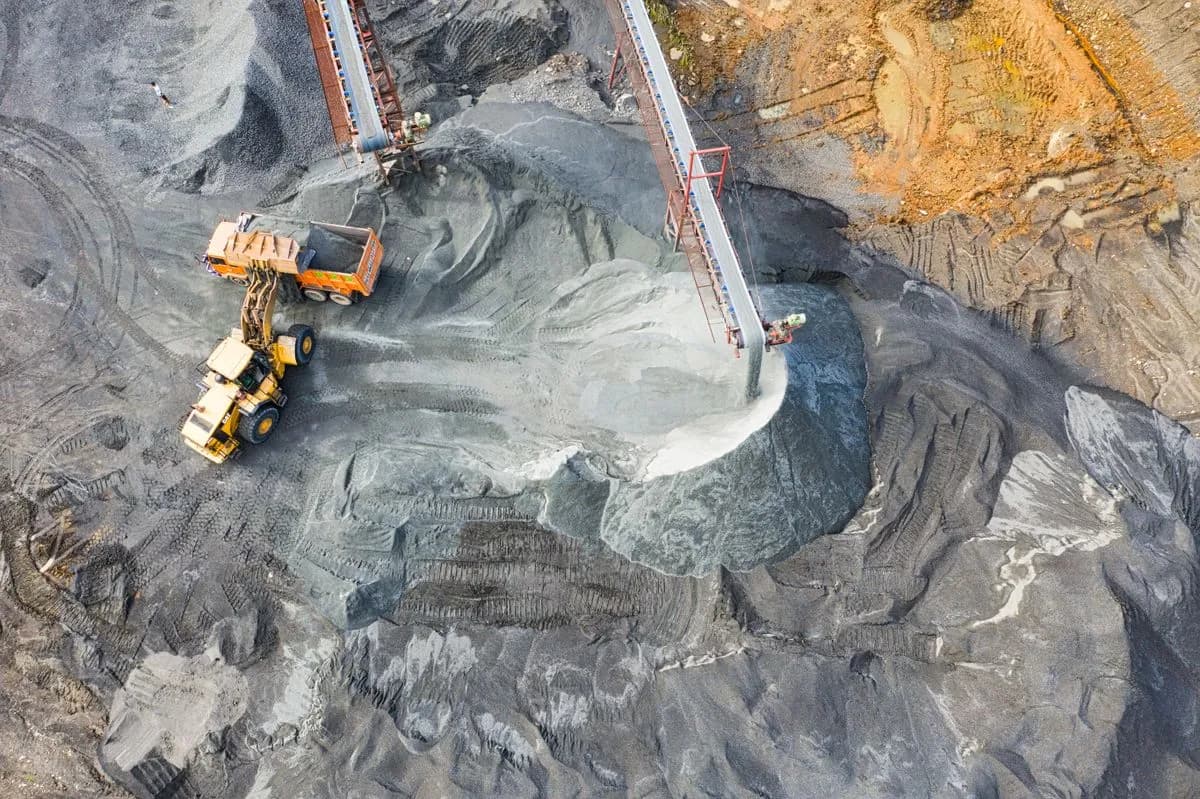
Cables for Mining & Tunneling Operations
Deep underground, where temperatures spike, moisture seeps through rock faces, and a single cable failure can halt production for days, your cable choice is not a commodity decision — it's an operational risk calculation. Mining and tunneling environments demand cables engineered to survive mechanical abuse, chemical exposure, and fire hazards that would destroy standard industrial wiring within weeks.
Cable Requirements
Underground mining and tunneling operations impose a unique combination of stresses on electrical cables that few other applications match:
Mechanical Stress
Cables are dragged over rough surfaces, crushed by falling rock, run over by heavy equipment, and subjected to constant vibration. Steel wire armour (SWA) is the baseline for fixed installations.
Fire Resistance
In confined underground spaces, a cable fire produces toxic smoke that can incapacitate workers. Flame-retardant sheathing and LSZH compounds are required by most mining codes.
Moisture & Chemical Resistance
Groundwater, acidic drainage, and hydraulic fluids attack cable jackets continuously. Rubber-insulated cables with neoprene or CSP sheaths outperform PVC in wet, chemically aggressive environments.
Flexibility
Trailing cables for shuttle cars, continuous miners, and longwall equipment must flex repeatedly without conductor fatigue. EPR insulation with high strand-count conductors is the standard.
Temperature Tolerance
Ambient temperatures in deep mines can exceed 45°C, requiring cables rated for continuous operation at 90°C conductor temperature or higher.
Voltage Requirements
From 660V for face equipment up to 11kV for main distribution, mining operations span a wide voltage range with strict earthing and monitoring requirements.
Recommended Products
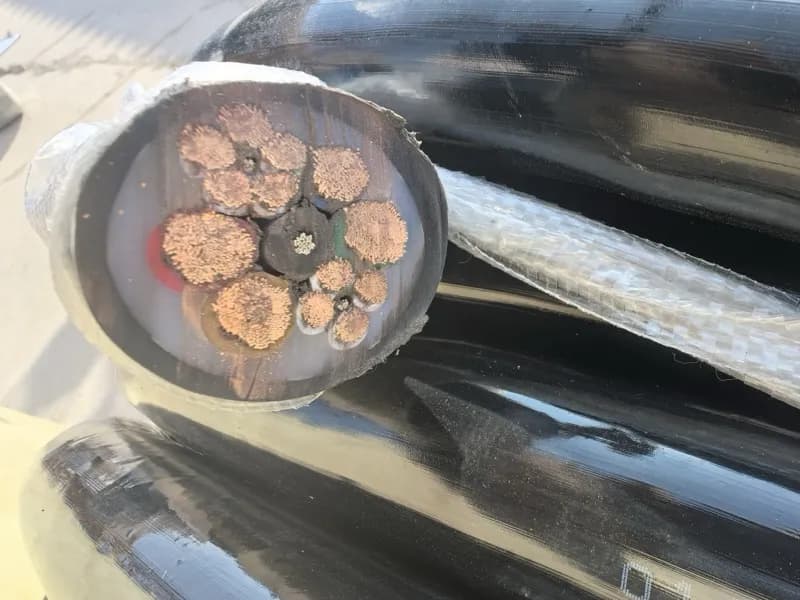
Rubber Flexible Mining Cable
EPR-insulated, CSP-sheathed flexible cables for trailing connections to mobile equipment. 0.6/1kV to 3.6/6kV ratings.
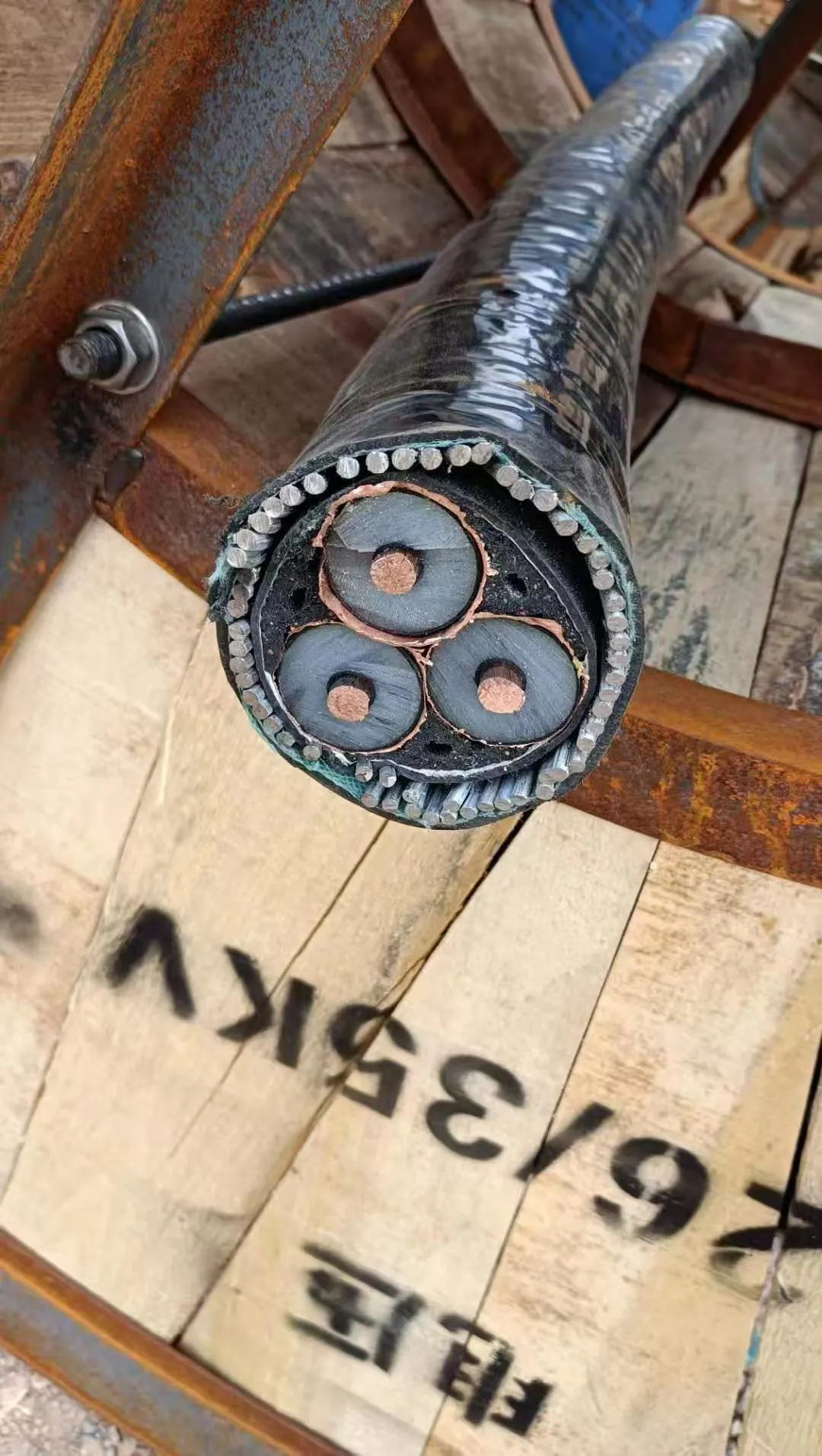
Steel Wire Armoured (SWA) Cable
XLPE-insulated, galvanised SWA for permanent underground distribution. Mechanical protection against impact and crushing.
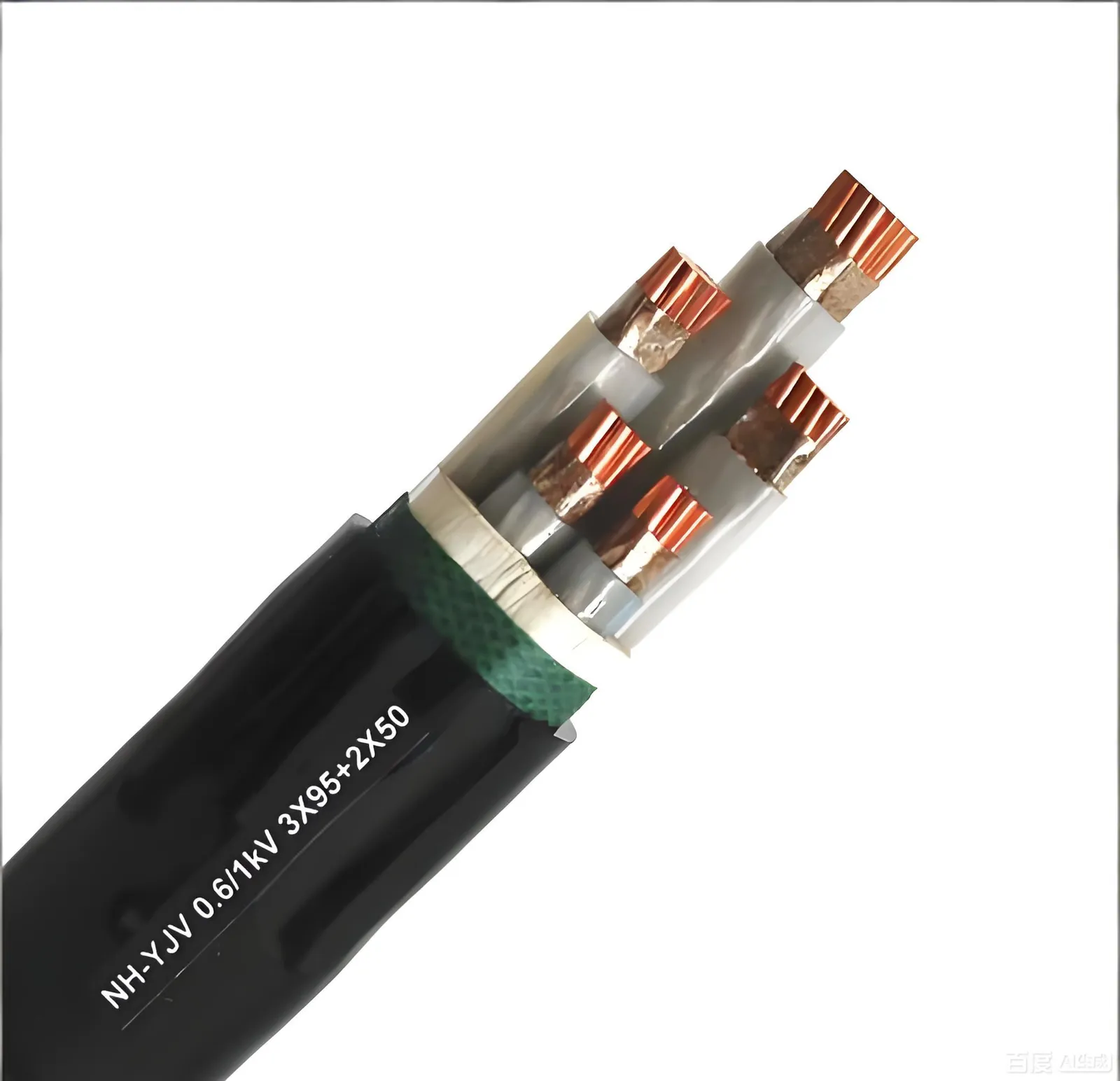
Fire-Resistant Cable
Mica-tape insulated cables maintaining circuit integrity for 30–120 minutes. Essential for emergency ventilation and evacuation lighting.
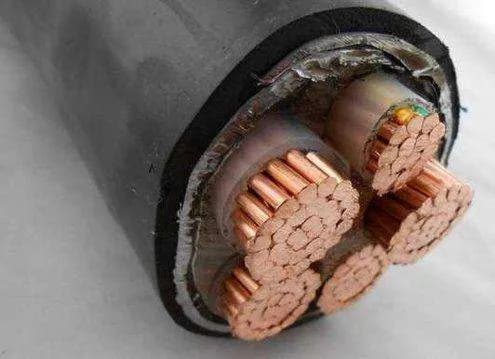
XLPE Power Cable
Medium voltage XLPE cables for main power reticulation from surface substations to underground distribution.
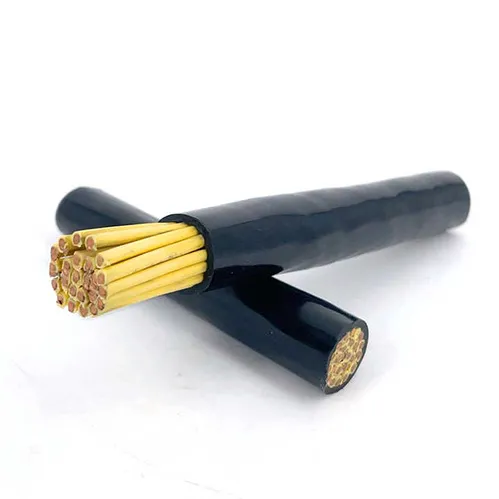
Control Cable
Multi-core PVC or XLPE insulated control cables for monitoring, instrumentation, and SCADA systems.
Standards & Certifications
| Standard | Description |
|---|---|
| IEC 60502 | Power cables with extruded insulation for rated voltages 1kV to 30kV |
| IEC 60332 | Tests on electric cables under fire conditions (flame propagation) |
| IEC 61034 | Measurement of smoke density of cables burning under defined conditions |
| AS/NZS 1802 | Electric cables — rubber insulated — for underground mining |
| GB/T 12972 | Mining cables for rated voltages up to 8.7/15kV |
| MT 818 | Coal mine flame-retardant cable (Chinese mining standard) |
| MSHA | Mine Safety and Health Administration approval (US) |
| IEC 60331 | Fire resistance test for cables maintaining circuit integrity |
Typical Specifications
| Application | Voltage | Conductor | Insulation | Notes |
|---|---|---|---|---|
| Longwall trailing cable | 3.6/6kV | 3×70mm² + earth | EPR/CSP | Flexible, no armour |
| Shuttle car cable | 0.6/1kV | 3×35mm² + earth + pilot | EPR/CSP | Flexible, no armour |
| Underground distribution | 6.35/11kV | 3×95–240mm² | XLPE | SWA |
| Tunnel fixed installation | 0.6/1kV | 4×16–185mm² | XLPE/PVC | SWA |
| Ventilation fan supply | 3.6/6kV | 3×50–120mm² | XLPE (FR) | SWA |
| Emergency circuit | 0.6/1kV | 2–4×2.5–10mm² | Mica + XLPE | SWA |
| Tunnel boring machine | 6.35/11kV | 3×150–300mm² | EPR | Flexible braid |
| Pump feeder | 0.6/1kV | 4×25–95mm² | XLPE | SWA |
Frequently Asked Questions
- What is the difference between mining trailing cable and standard SWA cable?
- Mining trailing cables are designed for repeated flexing behind mobile equipment. They use high strand-count flexible conductors (Class 5 or 6), rubber insulation and sheaths for flexibility, and incorporate earth monitoring and pilot conductors required by mining regulations. SWA cables are for fixed installations and cannot withstand repeated bending.
- What flame retardancy rating do I need for underground mining cables?
- Most mining jurisdictions require cables to pass IEC 60332-3 Category A (bunched cable flame propagation test) at minimum. Chinese coal mines require MT 818 compliance. Australian mines require AS/NZS 1802 flame test compliance. Specify your mine authority requirements at quotation stage.
- Can you supply cables for both low voltage face equipment and medium voltage distribution?
- Yes. We manufacture the full voltage range from 0.6/1kV flexible trailing cables for face equipment through to 8.7/15kV and 12/20kV armoured cables for underground main distribution. Single-source supply simplifies procurement.
- What conductor sizes are typical for tunnel boring machine (TBM) power supply?
- TBM power cables typically range from 3×150mm² to 3×300mm² at 6.35/11kV or 8.7/15kV rating, depending on the machine's power demand (usually 2–8 MW). These require flexible construction with braided screen to handle cable reel operation.