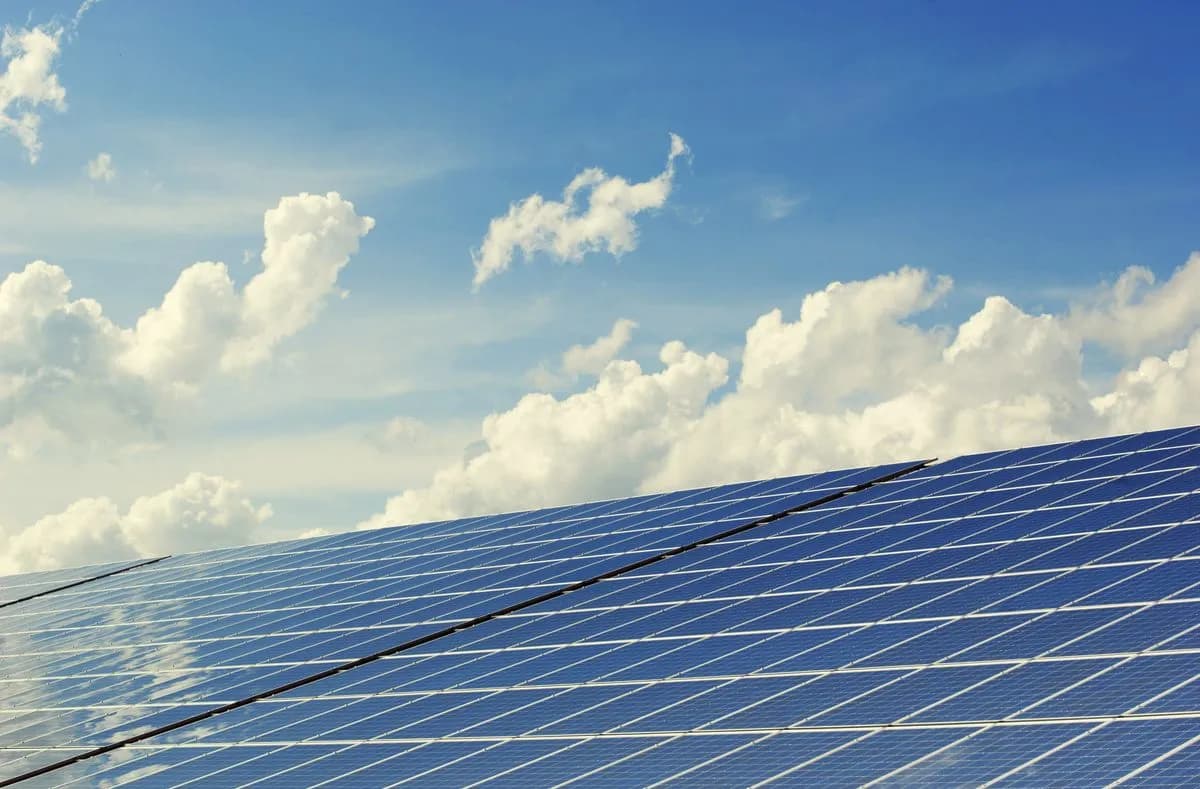
Cables for Solar & Renewable Energy Projects
A solar farm generating 100MW over its 25-year lifetime will push over 2 billion kilowatt-hours through its DC cables. Every percentage point of cable loss compounds across decades, and a premature cable failure can take megawatts offline. For solar EPC contractors and developers, cable selection directly impacts project IRR — getting the right solar cable, properly specified for UV, temperature, and voltage stress, is the difference between a project that hits its generation forecast and one that underperforms from year one.
Cable Requirements
Solar and renewable energy installations present specific cable challenges driven by environmental exposure and system architecture:
UV Resistance
Solar cables are exposed to direct sunlight for 25+ years. Standard PVC degrades within a few years. Electron-beam cross-linked polyolefin (XLPO) is required for reliable performance.
Temperature Extremes
Rooftop installations can see cable ambient temperatures exceeding 70°C. Cables must be rated for 90°C conductor with 120°C short-circuit rating.
DC Voltage Stress
PV systems operate at up to 1500V DC in modern utility-scale plants. DC creates space charge accumulation that AC-rated cables may not handle safely over decades.
Flexibility for Routing
String cables must route between panel frames, through conduit, and across tracker structures. Single-core, highly flexible construction with tinned copper is standard.
Fire Safety
Rooftop solar on commercial buildings requires fire-retardant cables to meet building codes. Ground-mount projects need flame-retardant sheathing at minimum.
Wind Farm Requirements
Wind turbine cables must handle constant torsion, while collection cables are typically 33kV underground XLPE in demanding soil conditions.
Recommended Products
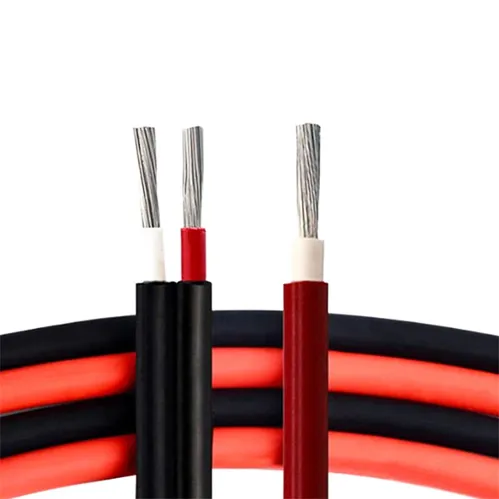
PV1-F Solar Cable (DC 1500V)
Single-core, tinned copper, cross-linked insulation. UV resistant, halogen-free, -40°C to +90°C. TÜV certified. 2.5mm² to 16mm².
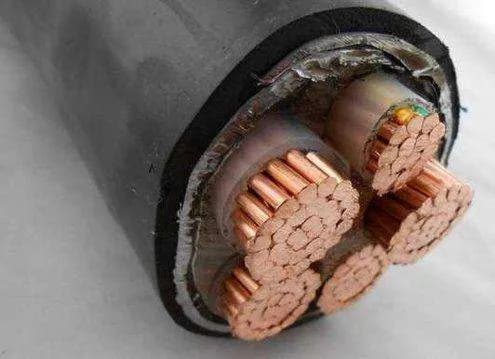
XLPE Medium Voltage Cable
3-core or single-core XLPE for 33kV AC collection systems in solar farms and wind farm inter-turbine connections.
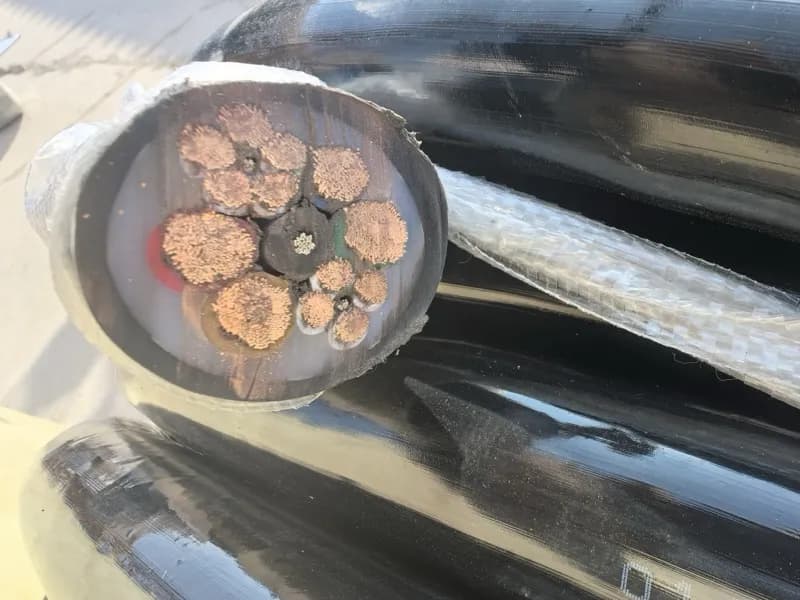
Rubber Flexible Cable
Highly flexible rubber-insulated cables for wind turbine internal wiring where torsion and vibration resistance are critical.
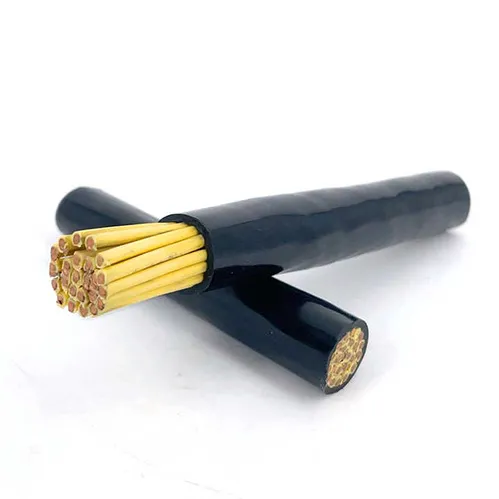
Control Cable
Multi-core cables for inverter communication, SCADA, monitoring systems, and tracker motor control circuits.
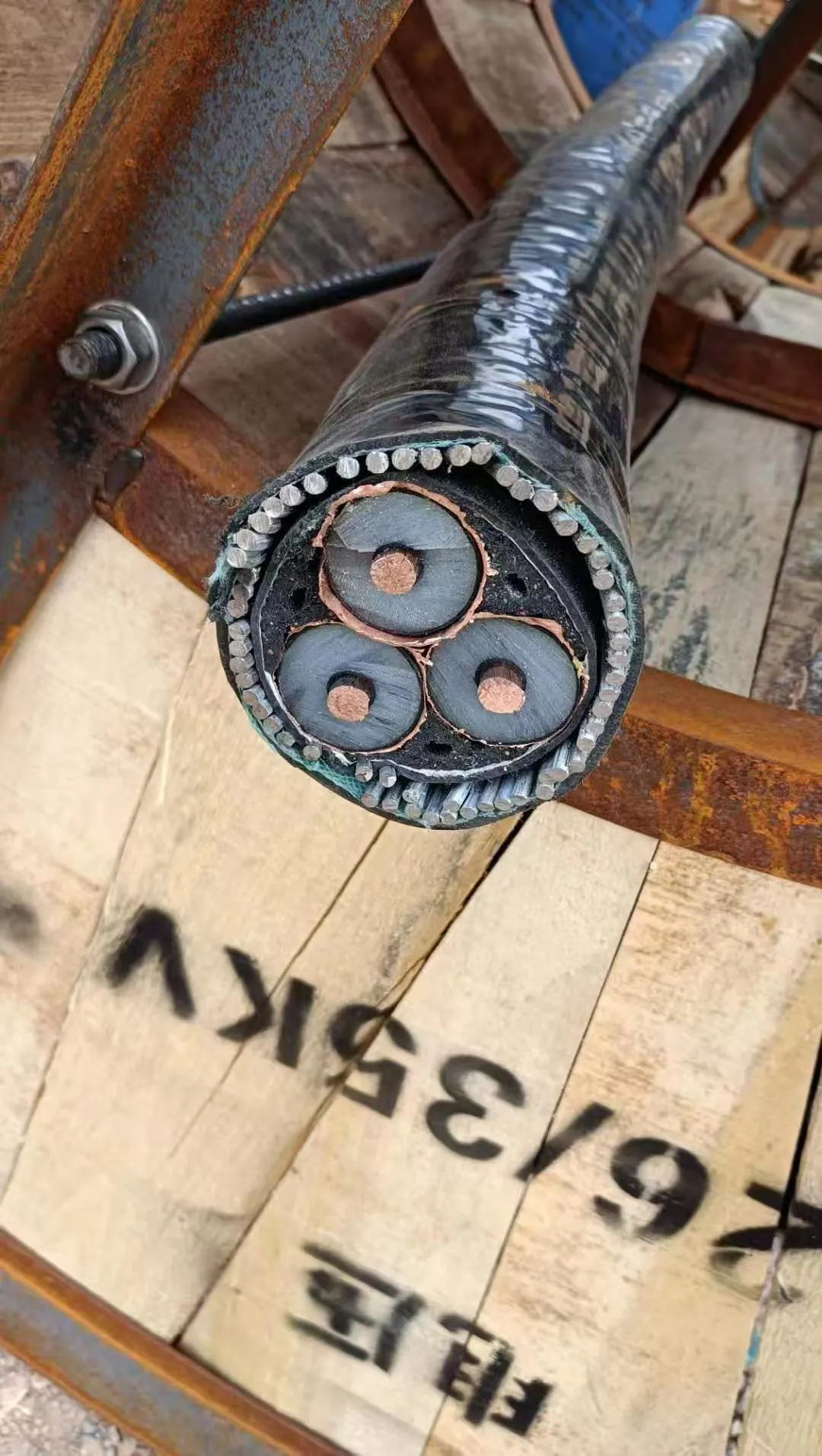
Armoured Cable (SWA)
For underground DC main cable runs from combiner boxes to inverter stations where mechanical protection is required.
Standards & Certifications
| Standard | Description |
|---|---|
| EN 50618 | Electric cables for photovoltaic systems (EU harmonised standard) |
| IEC 62930 | Electric cables for photovoltaic systems |
| TÜV 2Pfg 1169 | PV1-F cable certification (TÜV Rheinland) |
| UL 4703 | Photovoltaic wire (US market) |
| IEC 60502 | Power cables with extruded insulation, 1kV to 30kV |
| IEC 60228 | Conductors of insulated cables (class 5 flexible) |
| GB/T 32129 | DC cables for photovoltaic power generation systems (China) |
| IEC 62440 | Electric cables for wind turbine applications |
Typical Specifications
| Application | Voltage | Conductor | Insulation | Notes |
|---|---|---|---|---|
| Panel string wiring | 1500V DC | 4mm² or 6mm² | XLPO (PV1-F) | Black + Red pair |
| DC main (combiner to inverter) | 1500V DC | 10–16mm² | XLPO (PV1-F) | Often in conduit |
| DC underground trunk | 1500V DC | 50–185mm² | XLPE | SWA |
| AC inverter output | 0.6/1kV | 3×95–300mm² | XLPE | To MV transformer |
| MV collection (solar) | 33kV | 3×95–240mm² | XLPE | Underground between stations |
| Wind inter-turbine | 33kV | 3×150–400mm² | XLPE | Direct buried or in ducts |
| Wind turbine internal | 0.6/1kV | 1×50–185mm² | Rubber | Torsion resistant |
| Monitoring/SCADA | 0.6/1kV | 2–12 core, 1.5mm² | PVC/XLPE | Shielded pairs |
Frequently Asked Questions
- What is the difference between PV1-F solar cable and standard H07RN-F rubber cable?
- PV1-F is engineered specifically for photovoltaic DC applications with UV resistance rated for 25+ years, DC voltage validated for space charge effects at 1500V, electron-beam cross-linked insulation, and tinned copper conductors for MC4 connector terminations. Using non-PV-rated cable voids warranties and creates reliability risks.
- Can your solar cable pass TÜV certification for bankable projects?
- Yes. Our PV1-F solar cable is certified to TÜV 2Pfg 1169/08.2007 and complies with EN 50618. TÜV certificates are provided with shipment documentation. This is typically required for project finance due diligence.
- What cable sizes do I need for a utility-scale solar farm?
- Typical: 4mm² or 6mm² PV1-F for string cables, 10–16mm² for DC home runs, 95–300mm² XLPE for AC inverter-to-transformer cables, and 3×95–240mm² 33kV XLPE for the MV collection system. Provide your single-line diagram for specific recommendations.
- Do you supply cables for both solar and wind projects?
- Yes. Beyond PV cables, we manufacture 33kV XLPE collection cables for wind farms, flexible rubber cables for turbine internals, and control/instrumentation cables for SCADA systems. Single-source procurement simplifies your supply chain.