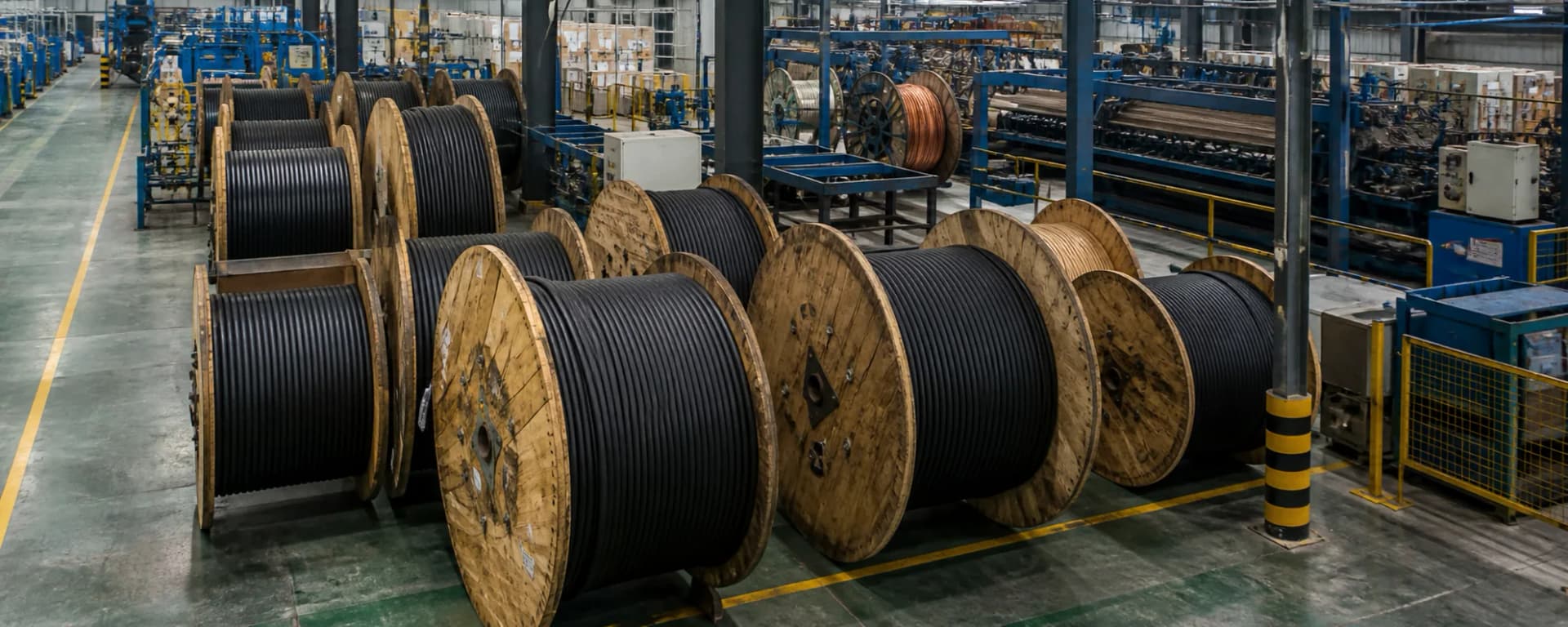
Nigeria Electricity Market Overview
Nigeria is Africa's largest economy and most populous nation, with a population of 228 million (World Bank, 2023) — yet the country faces one of the most severe electricity deficits on the continent. Installed generation capacity stands at approximately 12.5 GW, though available capacity frequently drops below 5 GW due to gas supply constraints and aging infrastructure (Nigerian Electricity Regulatory Commission, 2023). This leaves a massive gap between electricity supply and demand, creating enormous opportunity for infrastructure investment and cable procurement.
According to the World Bank, only 60.5% of Nigerians had access to electricity as of 2022 — meaning approximately 90 million people remain without reliable power. In rural areas, the electrification rate drops well below the national average. The Nigerian government has committed to closing this gap through several large-scale programmes, and each of these programmes requires substantial quantities of overhead conductors, power cables, and distribution cables.
Key Drivers of Cable Demand
Rural Electrification Agency (REA) Projects: The REA continues to expand its mandate, connecting off-grid and underserved communities across all 36 states. These projects primarily require overhead conductors (ACSR, AAC) for medium-voltage feeders and ABC cables for low-voltage last-mile distribution.
Transmission Company of Nigeria (TCN) Expansion: TCN has ongoing projects to expand the national grid from 330 kV to 500 kV backbone capacity, requiring high-tension ACSR conductors and XLPE underground cables for urban substations.
Distribution Company (DisCo) Rehabilitation: The 11 distribution companies across Nigeria are rehabilitating and expanding their networks, driving demand for 11 kV and 33 kV XLPE cables, armoured cables for underground routes, and ABC for theft-reduction programmes.
Private Sector & Industrial Growth: The Lekki Free Trade Zone, Dangote Refinery, and other industrial mega-projects consume significant volumes of power cable, control cable, and fire-resistant cable for facility construction.
Import Statistics
Nigeria imports the vast majority of its electrical cable requirements. Nigeria imported US$123 million in electrical cable and wire in 2023 (UN Comtrade, HS 8544), with China supplying approximately 55% of total cable imports. Key import categories include bare overhead conductors, insulated power cables, and armoured cables. The Nigeria Customs Service classifies cables primarily under HS codes 7614 (aluminium conductors), 8544.49 (insulated cables), and 8544.60 (cables for voltages exceeding 1000V).
Nigerian Standards and Certification Requirements
Understanding Nigeria's regulatory framework is essential for successful cable importation. The Standards Organisation of Nigeria (SON) enforces mandatory conformity assessment for all electrical cables entering the country.
NIS Standards for Cables
The Nigerian Industrial Standard (NIS) for power cables aligns closely with IEC standards:
- NIS IEC 60502-1 — Power cables with extruded insulation for rated voltages 1 kV to 3 kV
- NIS IEC 60502-2 — Power cables for rated voltages from 6 kV to 30 kV
- NIS IEC 61089 — Round wire concentric lay overhead electrical stranded conductors (ACSR/AAC/AAAC)
- NIS 441 — PVC insulated cables and flexible cords
- NIS IEC 60228 — Conductors of insulated cables
All cables imported into Nigeria must comply with the applicable NIS standard. Our factory maintains full IEC certification through the CB Scheme, which provides the fastest path to NIS compliance verification.
SONCAP Certification Process
The Standards Organisation of Nigeria Conformity Assessment Programme (SONCAP) is mandatory for all regulated products, including electrical cables. The process involves:
-
Product Certificate (PC): The manufacturer obtains a Product Certificate by submitting test reports from an accredited laboratory (CNAS/ILAC recognized). The PC is valid for the product line and covers multiple shipments.
-
Shipment Inspection: Each shipment requires a SONCAP Certificate (SC) issued after physical inspection at the port of origin or destination. Pre-shipment inspection is typically conducted by SON-designated agencies (SGS, Intertek, or Bureau Veritas).
-
Import Documentation: The importer must obtain a SONCAP clearance certificate before the shipment arrives at Nigerian ports. Without this, goods will be held at customs.
We provide full documentation support for the SONCAP certification process and work directly with approved inspection bodies (SGS, Intertek, Bureau Veritas) to ensure smooth clearance for every shipment. Our IECEE CB Scheme certificates and type test reports streamline the Product Certificate application. Our documentation team prepares the complete SONCAP package — including test reports, product certificates, and commercial invoices — formatted specifically for Nigerian customs requirements.
SON Product Registration
Beyond SONCAP, certain cable products may require SON product registration (formerly MANCAP) if they are to be marketed under a specific brand in Nigeria. We support our distributors through this registration process with the required factory audit documentation, quality management certificates (ISO 9001), and product testing data.
Shipping Logistics: China to Nigeria
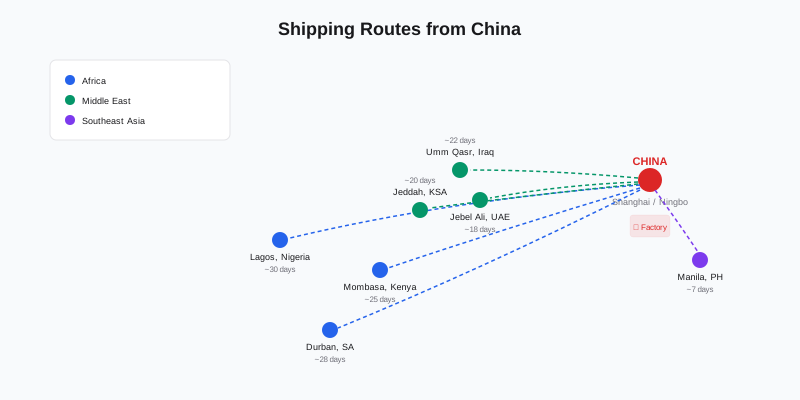
Efficient logistics planning is critical for cable projects in Nigeria. We have extensive experience shipping to Nigerian ports and can manage the full logistics chain from factory to port of arrival.
Departure Ports
Our factory is located in Henan Province, central China. We ship from the following ports depending on vessel schedules and freight rates:
- Qingdao Port — Our primary departure port for West Africa routes. Excellent vessel frequency to Lagos.
- Shanghai Port — Alternative for combined shipments or when better rates are available.
- Tianjin Port — Used for northern China production overflow.
Arrival Port: Lagos / Apapa
The primary port of entry for cable shipments to Nigeria is Apapa Port (Lagos Port Complex). We also ship to:
- Tin Can Island Port — Alternative Lagos port, sometimes with less congestion.
- Onne Port (Rivers State) — For projects in the Niger Delta and southeast region.
Transit Time
Typical ocean transit times from China to Lagos:
| Route | Transit Time |
|---|---|
| Qingdao → Lagos (Apapa) | 28–35 days |
| Shanghai → Lagos | 30–38 days |
| Qingdao → Onne Port | 32–40 days |
We recommend allowing 30 days for transit planning purposes, plus 7–14 days for customs clearance at Nigerian ports.
Container Loading
Cable drums are loaded into standard 20GP or 40GP containers. Loading configuration depends on cable diameter and drum size:
- ACSR/AAC conductors: Typically 18–22 tonnes per 20GP container on wooden or steel drums
- XLPE power cable: 15–20 tonnes per 20GP depending on cross-section
- Armoured cable: 16–20 tonnes per 20GP due to steel wire/tape weight
We provide full container loading plans and assist with freight forwarder coordination.
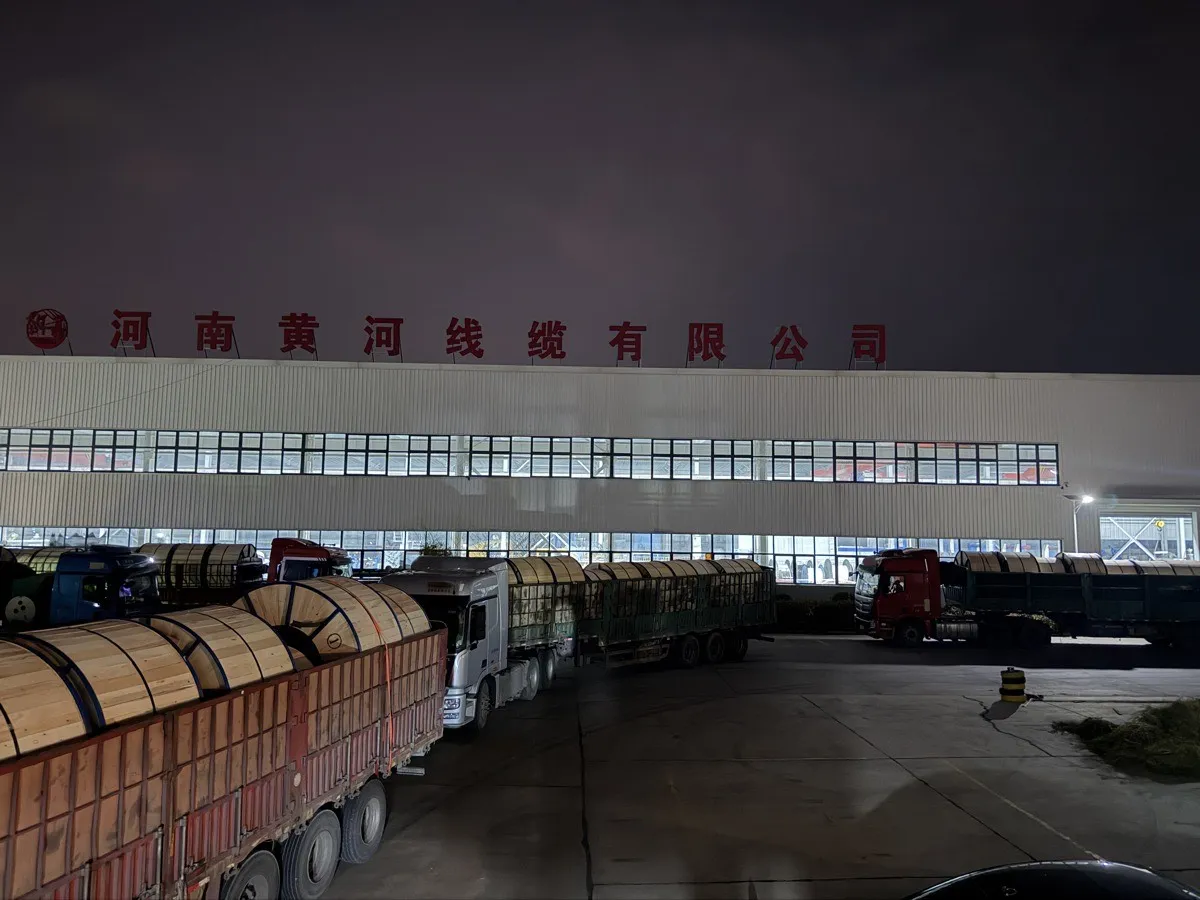 Cable drums packed and ready for container loading to Lagos, Nigeria
Import Duty Rates
Cable imports into Nigeria are subject to the following duties (ECOWAS Common External Tariff):
- HS 7614 (Aluminium conductors, bare): 10% import duty + 7.5% VAT
- HS 8544.49 (Insulated cables ≤1000V): 20% CET + 7.5% surcharge on HS 8544
- HS 8544.60 (Cables >1000V): 10% import duty + 7.5% VAT
Additional charges include CISS (1%), ETLS Levy (0.5%), and port charges. We provide detailed landed cost estimates upon request so you can plan your project budgets accurately.
Most Demanded Cable Products in Nigeria
Based on our shipping history and market demand data, the following products are most consistently ordered for Nigerian projects:
1. ACSR and AAC Overhead Conductors
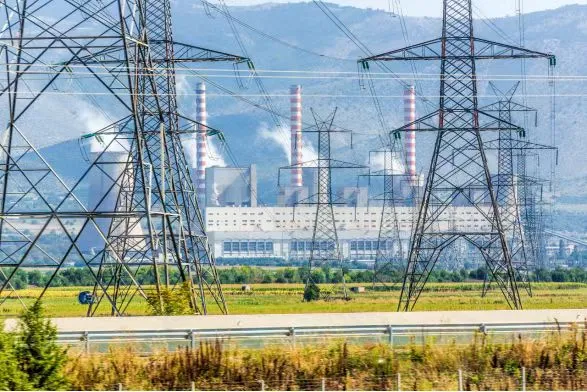
Application: Rural electrification, 33 kV and 11 kV distribution lines, TCN transmission expansion.
Aluminium Conductor Steel Reinforced (ACSR) is the backbone of Nigeria's overhead distribution network. The most commonly specified sizes include:
- ACSR Dog (100 mm²) — 33 kV feeders
- ACSR Rabbit (50 mm²) — 11 kV distribution
- ACSR Weasel (30 mm²) — LV lines
- AAC 50 mm² to 240 mm² — Urban distribution where steel reinforcement is not required
All our ACSR and AAC conductors are manufactured to IEC 61089 (equivalent to NIS IEC 61089) with full dimensional, tensile strength, and DC resistance testing. We supply complete test certificates with every shipment. Product pages: ACSR to IEC 61089 and ASTM B232 and AAC bare conductor for short-span urban distribution.
2. Armoured Cables for Underground Distribution
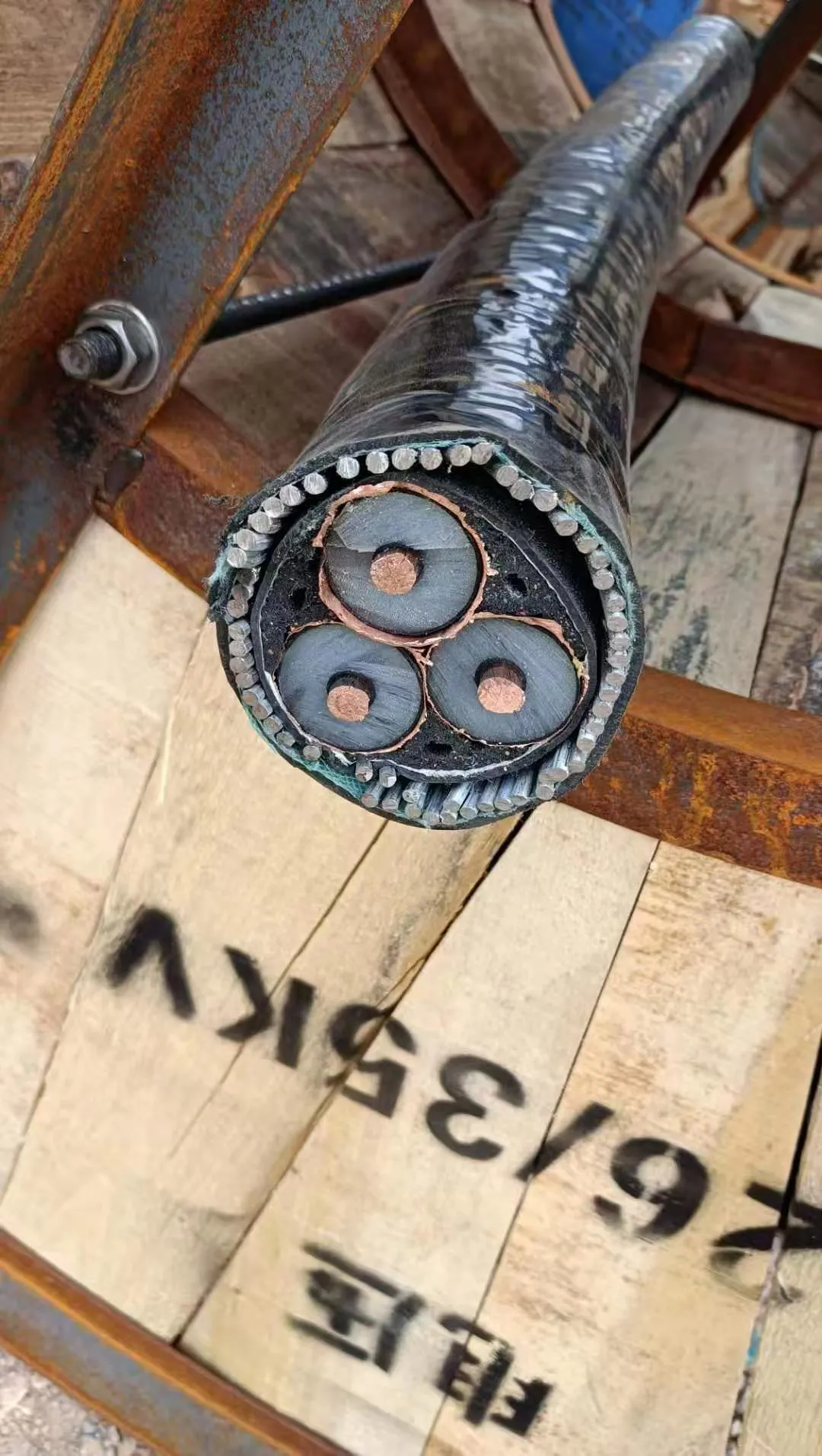
Application: Urban underground networks, industrial installations, Lekki Free Zone, commercial buildings.
Steel Wire Armoured (SWA) and Steel Tape Armoured (STA) cables are essential for Nigeria's growing underground cable networks, particularly in Lagos, Abuja, and Port Harcourt. Popular specifications:
- 4-core 16 mm² to 300 mm² Cu/XLPE/SWA/PVC (0.6/1 kV)
- 3-core 50 mm² to 400 mm² Al/XLPE/SWA/PVC (0.6/1 kV)
- Single-core 500 mm² to 1000 mm² XLPE/SWA for substation feeders
Manufactured to NIS IEC 60502-1 with XLPE insulation, galvanized steel wire armour, and PVC outer sheath. Available with copper or aluminium conductors. Build options for SWA cable for outdoor above-ground installation include an LSZH sheath where the run is inside an occupied building.
3. XLPE Insulated Power Cable for Distribution
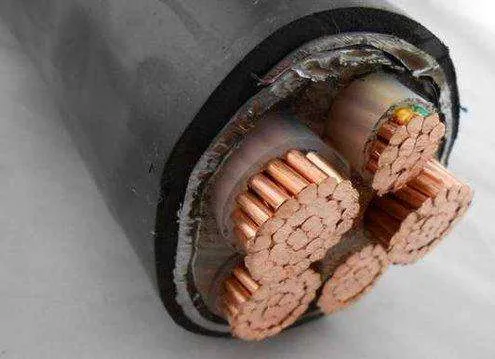
Application: Medium-voltage distribution (11 kV, 33 kV), substation interconnection, industrial power supply.
Cross-linked polyethylene (XLPE) insulated cables provide superior thermal performance and higher current-carrying capacity compared to PVC. Our range for Nigeria includes:
- 11 kV single-core and 3-core XLPE cable (50 mm² to 400 mm²)
- 33 kV single-core XLPE cable (95 mm² to 630 mm²)
- 0.6/1 kV XLPE multi-core for LV distribution
All medium-voltage cables undergo routine testing (partial discharge, AC voltage withstand) and type testing per IEC 60502-2. We maintain valid type test reports from CNAS-accredited laboratories. Aluminium-conductor sizing for the LV runs above is on our YJLV XLPE cable for medium-voltage distribution page.
4. ABC (Aerial Bundled Cable) for Loss Reduction
Application: LV distribution in urban and peri-urban areas, theft/loss reduction programmes.
Nigerian DisCos are increasingly adopting ABC cable to replace bare aluminium LV lines. ABC significantly reduces technical and commercial losses (electricity theft via illegal tapping). Common specifications:
- 3×70+54.6 mm² (3-phase + neutral)
- 3×50+35 mm²
- 2×16 mm² (service drops)
Our ABC is manufactured to IEC 60502-1 / NFC 33-209 with XLPE insulation on phase conductors and a bare or insulated neutral messenger. DisCos replacing bare LV lines can compare configurations on the ABC as a replacement for bare conductors in dense areas page.
5. Building Wire and House Wiring Cable
Application: Residential and commercial building internal wiring, contractors' wholesale supply.
While not project-scale, building wire represents steady container-volume demand from Nigerian wholesalers. We supply:
- Single-core PVC (BV/BVR equivalent), 1.5 mm² to 10 mm²
- Twin & earth flat cable (2×1.5 to 2×4.0 mm²)
- Flexible cable (RVV) for appliance connections
Project Experience in West Africa
Our factory has been exporting cable products to West Africa since 2012. While we respect the confidentiality of our clients, we can share the scope of our typical Nigeria-bound projects:
Rural Electrification Programmes: We have supplied ACSR conductors and ABC cable for REA-funded projects across multiple Nigerian states, including large-volume orders of ACSR Dog and Rabbit conductors for 33 kV and 11 kV feeder extensions.
Urban Underground Network Expansion: Multiple shipments of 4-core armoured cable (Cu/XLPE/SWA/PVC) for underground distribution networks in major Nigerian cities, supplied to contractors working on DisCo rehabilitation programmes.
Industrial Zone Development: Power cable supply for industrial estates and free trade zones, including XLPE medium-voltage cable for 33/11 kV substation interconnection.
Government Housing Schemes: Building wire and LV distribution cable for large-scale residential developments.
We welcome references from existing Nigerian clients and can connect serious buyers with our local partners for verification.
Quality Assurance and Testing
Every cable shipment to Nigeria is backed by our comprehensive quality assurance system:
- ISO 9001:2015 certified quality management system
- IEC CB Scheme certificates for power cable product lines
- CNAS-accredited laboratory testing (in-house and third-party)
- Full routine testing per applicable IEC standard on every production reel
- Sample testing available per client request before bulk production
We welcome third-party inspection by SGS, Bureau Veritas, Intertek, or TUV at our factory. Many Nigerian clients arrange pre-shipment inspection through their nominated inspection company, and we fully accommodate this.
Test Reports Included with Every Shipment
- Conductor DC resistance test
- Insulation resistance test
- High-voltage withstand test
- Dimensional checks (conductor diameter, insulation thickness, overall diameter)
- Mechanical tests (for armoured cables)
- Material certificates for conductor aluminium/copper
Why Choose China Cable Factory for Nigeria Projects
Factory-direct pricing: No trading company markup. You deal directly with the production facility in Henan, China.
SONCAP support: We provide complete documentation for SONCAP compliance — CB test reports, type test certificates, and inspection coordination with SGS/Intertek/Bureau Veritas. Our team handles the full paperwork process for Nigerian customs clearance.
Nigerian market knowledge: We understand the specifications Nigerian utilities and contractors require. No back-and-forth on standards — we produce to NIS/IEC from the start.
Flexible production: From one container of building wire to hundreds of tonnes of ACSR for electrification projects — our production capacity accommodates orders of all sizes.
Reliable lead time: Typical production lead time is 10–15 days depending on product type. Combined with 30-day ocean transit, expect delivery within 40–45 days from order confirmation.
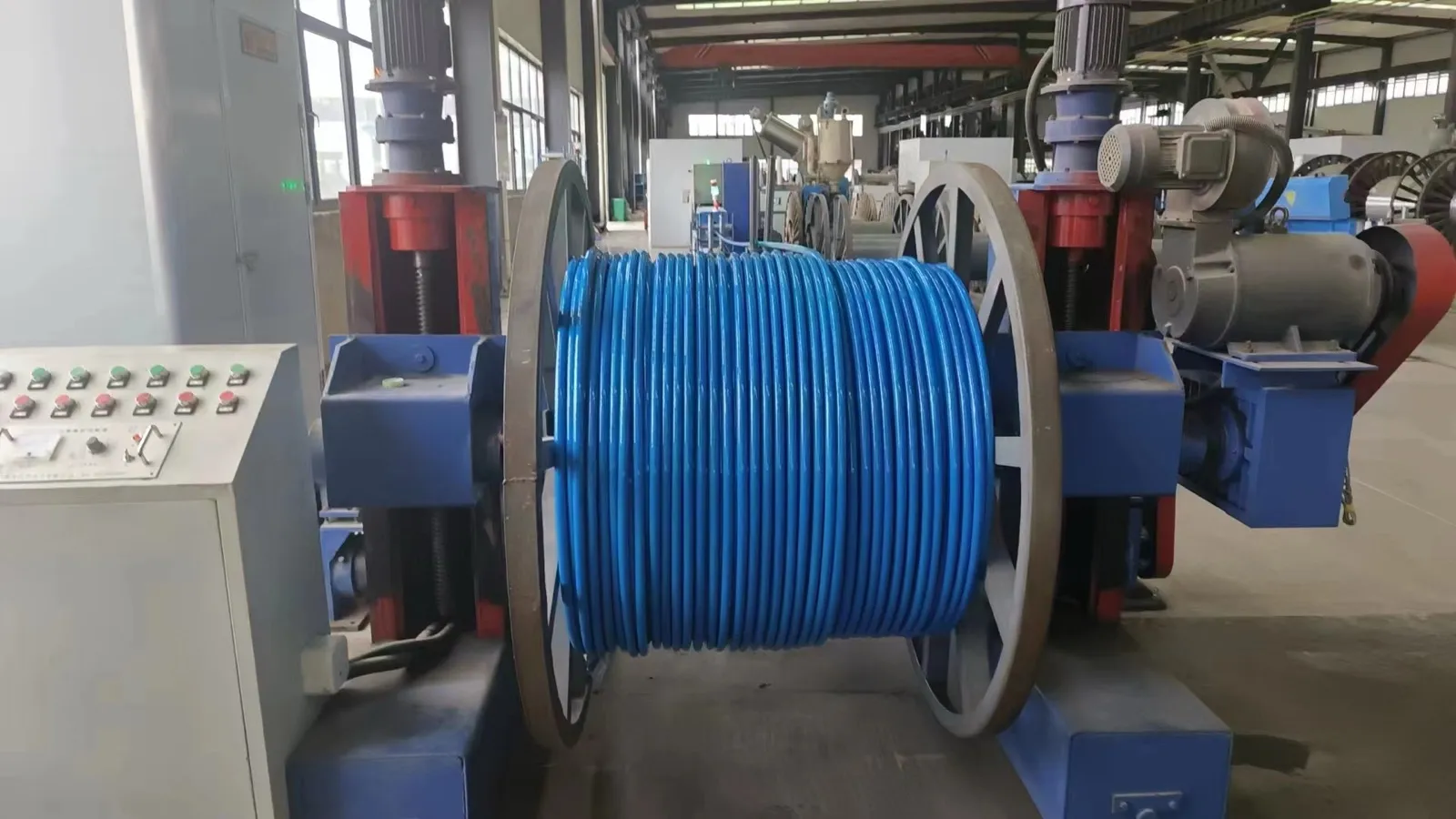 Our cable production workshop — modern extrusion lines ensure consistent quality for every order
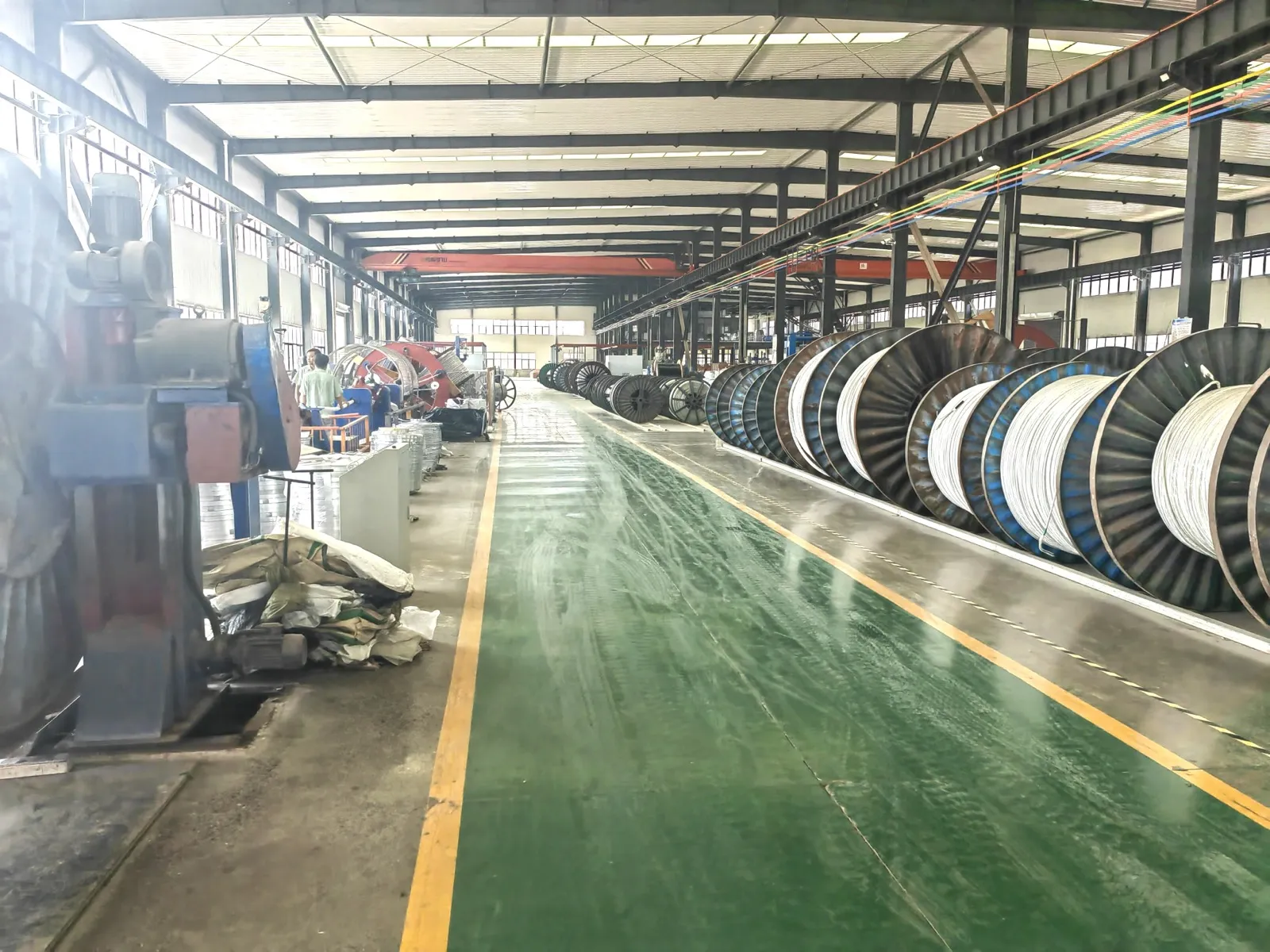 Warehouse stocking area — cables on wooden drums ready for container loading
Get a Quote for Your Nigeria Project
Whether you are a distribution company rehabilitating your network, a contractor working on REA electrification, or a wholesaler importing cable for the Nigerian market — we are ready to support your requirements.
What to include in your inquiry:
- Cable type and specification (standard, voltage rating, conductor size)
- Quantity required (metres or tonnes)
- Delivery port (Lagos/Apapa, Tin Can, Onne)
- Project timeline
- Any specific testing or inspection requirements
We provide detailed quotations including FOB and CIF pricing, production schedule, and shipping plan. Our team speaks English and can communicate via WhatsApp for real-time project coordination.
Factory certifications and test reports
Buyers in Nigeria normally verify the mill before they compare prices. Every certificate below is issued to Henan Huanghe Cable Co., Ltd. and downloadable as PDF.
- ISO 9001:2015 quality management
- ISO 14001 / ISO 45001
- CCC — compulsory certification for wire & cable
- IECEE CB Scheme CN74210 — accepted in 50+ countries
- SGS type test report — solar PV cable