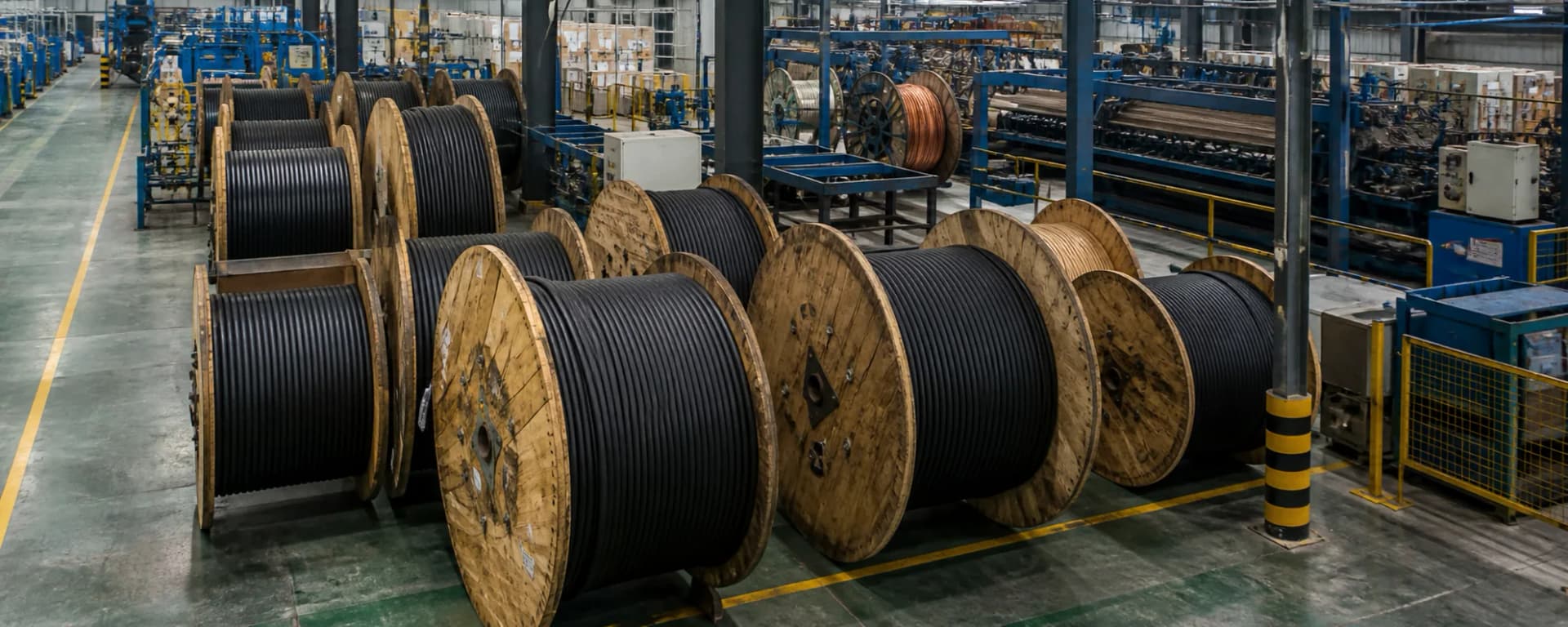
UAE Electricity Market Overview
The United Arab Emirates operates one of the most advanced and reliable electricity networks in the Middle East, with a system that has been built rapidly over four decades to support the nation's extraordinary economic growth. The UAE's installed generation capacity is approximately 38 GW, serving a population of 10.5 million (World Bank, 2023) across seven emirates. Major generation assets include the Barakah Nuclear Power Plant (5.6 GW), Mohammed bin Rashid Al Maktoum Solar Park, and the Jebel Ali natural gas complex. The grid provides 100% electricity access (World Bank, 2022) with reliability standards comparable to the most developed nations globally.
The UAE is one of the world's largest importers of electrical cable products. In 2023, the country imported US$1.77 billion worth of insulated wire and cable (UN Comtrade, HS 8544) — reflecting the massive scale of ongoing construction and infrastructure development.
The electricity sector in the UAE is managed primarily by two major utilities: Dubai Electricity and Water Authority (DEWA) in the emirate of Dubai, and Abu Dhabi Distribution Company (ADDC) together with Abu Dhabi Transmission and Despatch Company (TRANSCO) in Abu Dhabi. Both utilities maintain aggressive capital investment programmes to expand capacity, modernize infrastructure, and support the UAE's diversification from hydrocarbon dependence to a knowledge-based economy.
The UAE's cable market is distinguished by its premium quality requirements, advanced technical specifications, and rapid project delivery expectations. The combination of extreme climate conditions (ambient temperatures exceeding 50°C), high-rise dominated urban landscapes, and ambitious clean energy targets creates demand for specialised cable products that must meet some of the most stringent specifications in the global market.
Key Drivers of Cable Demand
DEWA Grid Expansion and Smart Grid: DEWA is implementing one of the world's most ambitious smart grid programmes, upgrading its 400 kV, 132 kV, and 11 kV networks with intelligent monitoring and automation. The utility adds thousands of kilometres of underground cable annually to serve Dubai's growing population and commercial developments.
Abu Dhabi Energy Strategy 2050: Abu Dhabi has committed to producing 50% of energy from clean sources by 2050. This strategy drives massive investment in solar energy (Al Dhafra Solar, Noor Abu Dhabi), nuclear power (Barakah), and hydrogen — each requiring extensive cable infrastructure for grid connection and internal distribution.
Dubai Expo 2020 Legacy (District 2020): The transformation of the Expo site into District 2020 — a mixed-use urban district — along with surrounding infrastructure including Dubai South, Al Maktoum International Airport expansion, and Dubai World Central continue to generate cable demand.
High-Rise and Urban Development: Dubai and Abu Dhabi continue to develop high-rise residential, commercial, and mixed-use towers. Fire safety regulations require LSZH and fire-rated cables throughout these structures. Major projects include Dubai Creek Tower, Abu Dhabi Towers, and numerous residential super-tall developments.
Metro and Rail Expansion: Dubai Metro Route 2020 extension, planned further extensions, Abu Dhabi Metro (under development), and the Etihad Rail national railway create demand for specialised tunnel-rated cables with LSZH properties and fire resistance.
Renewable Energy Projects: Mohammed bin Rashid Al Maktoum Solar Park (5 GW target capacity, US$13.6 billion total investment) and Abu Dhabi's solar programme require MV collector cables, HV export cables, and solar DC cables in massive quantities.
Industrial and Free Zone Growth: JAFZA (Jebel Ali Free Zone), KIZAD (Khalifa Industrial Zone), Dubai Industrial City, and other free zones continue to expand, requiring complete electrical infrastructure.
Market Characteristics
The UAE cable market is characterised by:
- Premium quality expectations: Utilities and developers accept only cables meeting the highest international standards with full documentation
- Rapid delivery requirements: Project timelines in the UAE are typically compressed, requiring fast production and shipping
- Large-scale procurement: Individual projects can require hundreds of kilometres of cable
- Fire safety emphasis: The UAE's building code heavily emphasises fire-rated and LSZH cables following high-profile fire incidents
- Heat-rated specifications: All cables must perform reliably in extreme ambient temperatures
Chinese cable manufacturers have established a strong presence in the UAE market, particularly in the medium-voltage, LSZH, and solar cable segments. Our factory has been supplying cable products to UAE projects since the early stages of the market's growth.
UAE Standards and Certification Requirements
The UAE maintains rigorous standards and conformity assessment requirements for electrical cables, administered by the Emirates Authority for Standardization and Metrology (ESMA) and enforced through utility-specific technical requirements from DEWA and ADDC.
ESMA Standards and UAE.S Specifications
The Emirates Standardization and Metrology Authority publishes UAE national standards (UAE.S) for electrical cables, largely harmonized with IEC:
- UAE.S IEC 60502-1 — Power cables with extruded insulation for rated voltages 1 kV to 3 kV
- UAE.S IEC 60502-2 — Power cables for rated voltages from 6 kV up to 30 kV
- UAE.S IEC 60228 — Conductors of insulated cables
- UAE.S IEC 60332 — Tests on electric and optical fibre cables under fire conditions
- UAE.S IEC 60754 — Test on gases evolved during combustion (halogen-free requirements)
- UAE.S IEC 61034 — Measurement of smoke density of cables burning under defined conditions
- UAE.S IEC 60331 — Tests for fire resistance of cables (circuit integrity)
DEWA Specifications and Approval
Dubai Electricity and Water Authority maintains its own technical specifications that cables must comply with for use in Dubai:
- DEWA Regulation for Electrical Installations (Green Book): Defines cable selection, installation methods, and fire performance requirements for all building types in Dubai
- DEWA Distribution Standard DS-304: Technical specification for MV cables used in DEWA network
- DEWA Distribution Standard DS-305: Technical specification for LV cables
- DEWA Approved Equipment List: Cables used in DEWA network must be from approved manufacturers listed on DEWA's approved equipment/material list
Key DEWA requirements include:
- LSZH outer sheath mandatory for all cables in buildings (no PVC sheath)
- Fire-rated cables (BS 7846 Category C-W-Z or equivalent) for escape routes
- Specific conductor sizes and configurations per DEWA standard drawings
- Enhanced temperature ratings for cables in non-ventilated areas
- Type test reports from DEWA-recognized laboratories
ADDC Specifications and Abu Dhabi Requirements
Abu Dhabi Distribution Company has its own technical specifications, which differ in some details from DEWA:
- ADDC Technical Specification for LV Cables (TS-LV-01): Defines LV cable requirements for ADDC network
- ADDC Technical Specification for MV Cables (TS-MV-01): Defines MV cable requirements
- ADDC Approved Vendor List: Manufacturers must be registered on ADDC's approved vendor list
ADDC specifications emphasize:
- Aluminium conductors for distribution cables (cost optimization)
- Specific screen design requirements for MV cables
- Enhanced water-blocking requirements for directly buried cables
- Comprehensive type test and routine test protocols
ESMA Conformity Assessment (ECAS)
The Emirates Conformity Assessment Scheme (ECAS) requires that regulated products, including certain cable categories, obtain an ECAS certificate before market entry. The process involves:
- Product Testing: Type testing at an ESMA-recognized laboratory
- Factory Audit: Quality management system assessment
- ECAS Certificate: Issued upon successful assessment, valid for a defined period with surveillance
- Shipment Registration: Each shipment may require registration on ESMA's electronic system
We maintain active ECAS certificates for our cable product lines destined for the UAE market and manage the conformity assessment process for our clients.
Civil Defence Approval
The UAE Civil Defence (both Dubai and Abu Dhabi) enforces fire safety requirements for cables used in buildings. Cables must meet:
- BS 7846 Category C-W-Z (or equivalent IEC) for enhanced fire performance
- IEC 60332-3 Category C minimum flame propagation performance
- IEC 60331 circuit integrity for fire alarm and emergency systems
- LSZH material compliance per IEC 60754 and IEC 61034
Our fire-rated cable range is fully tested to these requirements with valid certificates from accredited laboratories.
Shipping Logistics: China to UAE
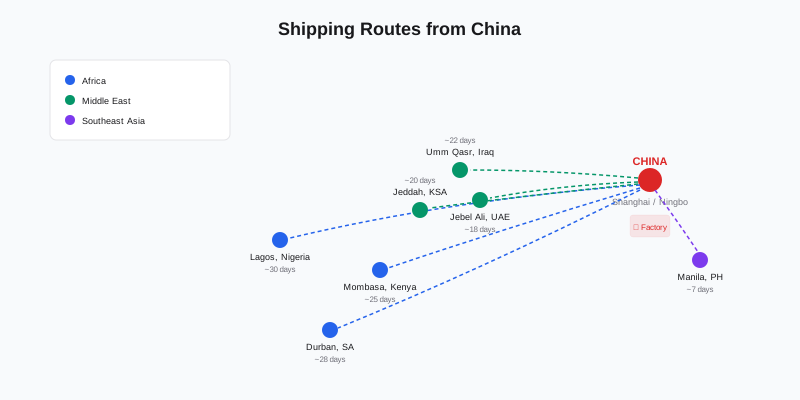
The UAE's position as a global logistics hub, centered on Jebel Ali port — the largest man-made harbour in the world — provides exceptional maritime connectivity from Chinese ports. Transit times are short, vessel frequency is high, and port handling is among the most efficient globally.
Departure Ports
Our factory in Henan Province ships through major Chinese ports with frequent direct services to UAE:
- Qingdao Port — Primary departure port, excellent vessel frequency to Jebel Ali
- Shanghai Port — Alternative with competitive rates and multiple carrier options
- Ningbo Port — Additional option for specific carrier preferences
Arrival Ports
- Jebel Ali Port (Dubai) — Primary arrival port. Largest container port in the Middle East, operated by DP World with world-class efficiency. Serves Dubai and northern emirates.
- Khalifa Port (Abu Dhabi) — For projects in Abu Dhabi emirate. Modern port with excellent facilities.
- Hamriyah Port (Sharjah) — Alternative for northern emirates projects.
Transit Time
Typical ocean transit times from China to UAE:
| Route | Transit Time |
|---|---|
| Qingdao → Jebel Ali (Dubai) | 15–18 days |
| Shanghai → Jebel Ali | 17–20 days |
| Qingdao → Khalifa Port (Abu Dhabi) | 16–19 days |
| Shanghai → Khalifa Port | 18–21 days |
The UAE benefits from some of the shortest transit times from China of any major market, with direct services via the Strait of Malacca and Indian Ocean. High vessel frequency means multiple weekly sailing options. We recommend allowing 17 days for transit planning, plus 3–7 days for customs clearance (UAE customs are highly efficient).
Container Loading
Cable drums are loaded into standard 20GP or 40GP containers. Typical configurations for UAE orders:
- XLPE MV cable: 16–20 tonnes per 20GP on steel drums
- LSZH fire-rated cable: 14–18 tonnes per 20GP
- Solar DC cable: 16–20 tonnes per 20GP
- Fire alarm cable: 12–16 tonnes per 20GP (smaller drums, lighter product)
We provide detailed container loading plans with drum specifications, weights, and dimensions.
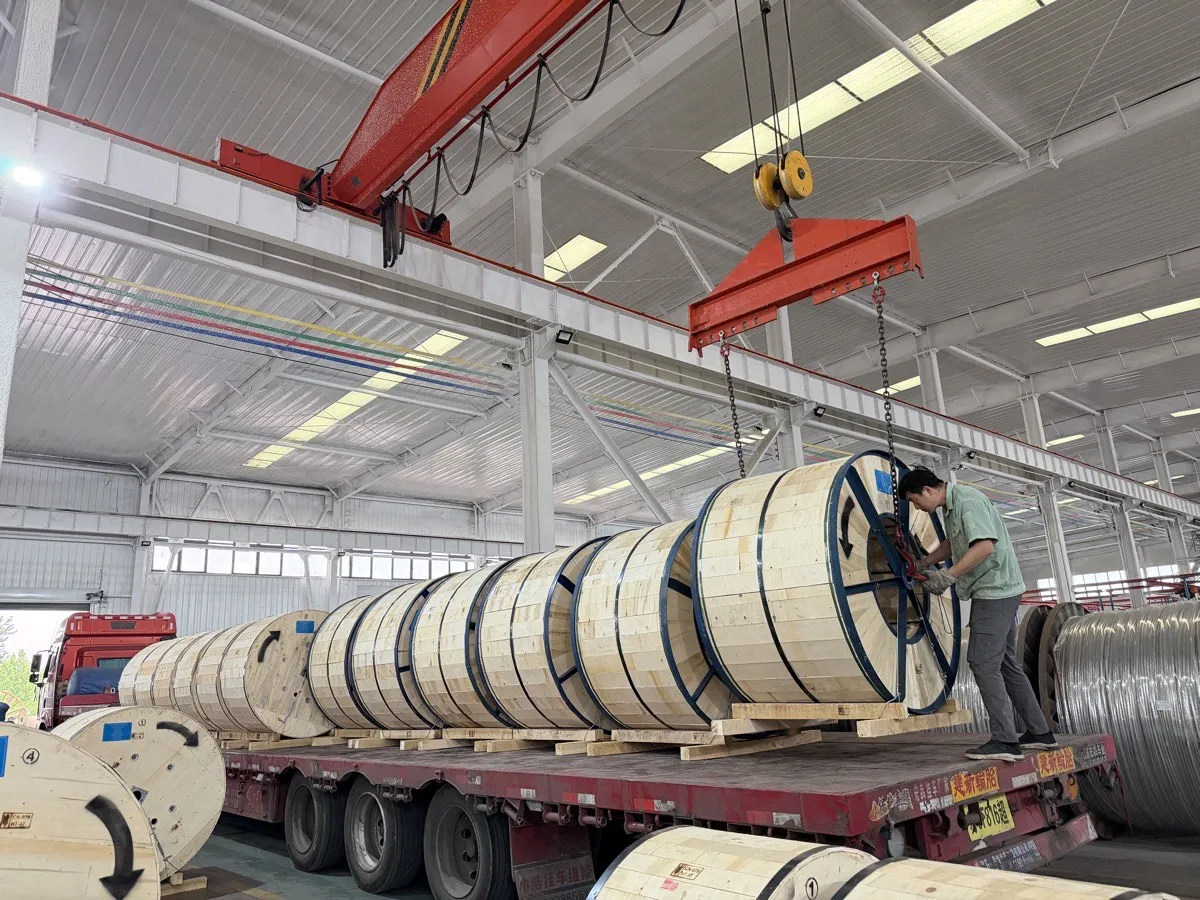 Container loading at our facility — cable drums secured for shipping to Jebel Ali, UAE
Import Duty and VAT
UAE import duty and tax structure:
- Import duty: 5% CIF value (GCC Common External Tariff, all cable categories under HS 8544)
- VAT: 5% (UAE standard VAT rate, among the lowest globally)
The UAE's low duty and VAT rates, combined with short transit times, make it one of the most cost-efficient markets for Chinese cable exports. Free zone imports (JAFZA, KIZAD) may qualify for duty exemption depending on end-use.
Most Demanded Cable Products in UAE
Based on current market demand and our active supply to UAE projects, the following products represent the highest demand categories:
1. XLPE Fire-Rated Cable for High-Rise Buildings
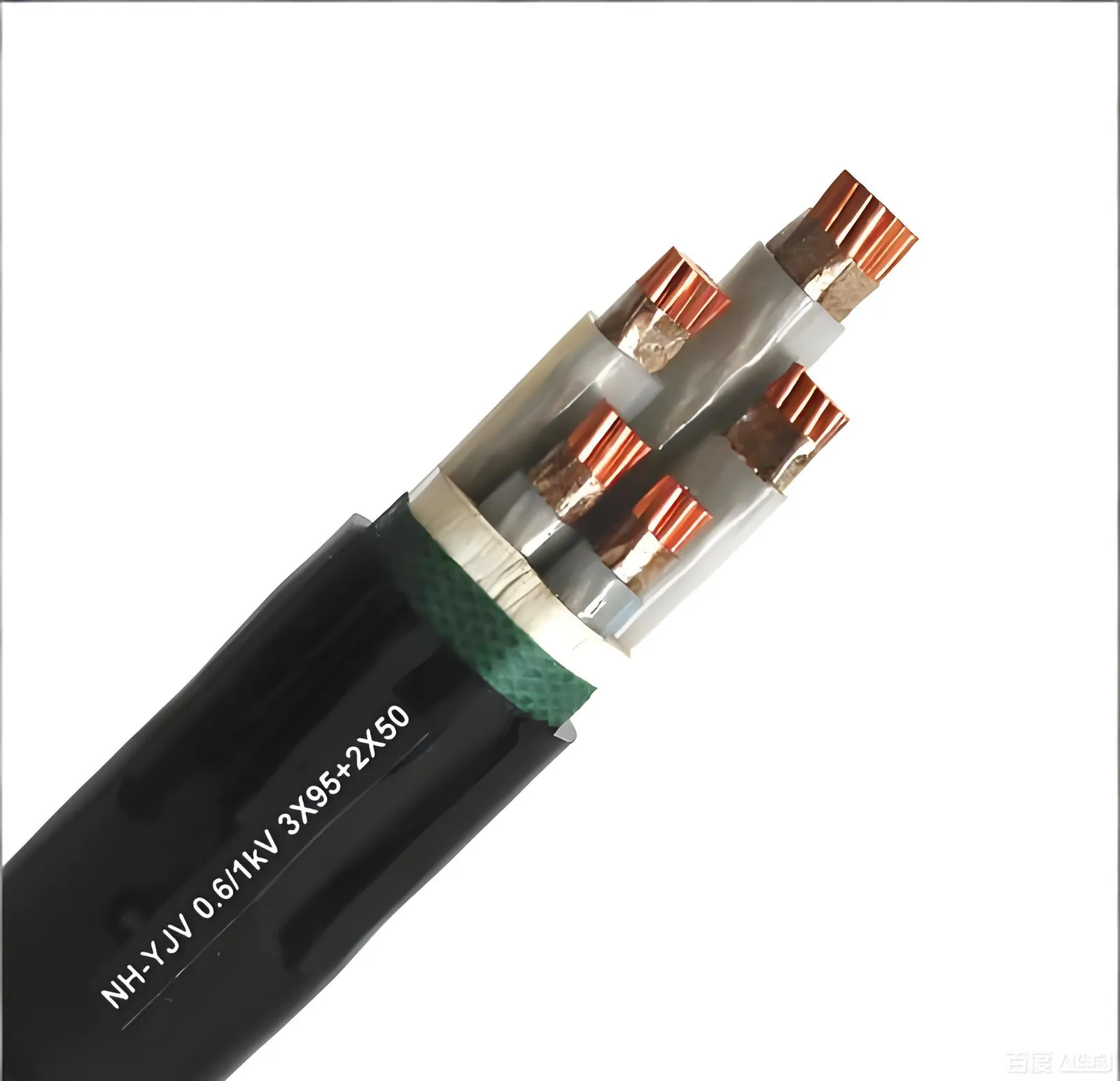
Application: Residential towers, commercial high-rises, mixed-use developments, hotels, hospitals, shopping malls, all DEWA/ADDC-connected buildings.
UAE building regulations mandate fire-rated LSZH cables in all occupied buildings. This is the single most regulated cable category in the market, with specific performance requirements enforced by Civil Defence:
- 0.6/1 kV single-core LSZH power cables (1.5 mm² to 630 mm²) — Submain and final distribution
- 0.6/1 kV multi-core LSZH armoured cables (1.5 mm² to 300 mm²) — Fixed installation
- Fire-resistant cables with 120-minute circuit integrity (IEC 60331) — Emergency systems, fire pumps, smoke extract fans
- Enhanced fire-rated cables (BS 7846 Category C-W-Z) — Escape routes and emergency lighting
All fire-rated cables comply with:
- IEC 60332-1-2 (single cable flame test)
- IEC 60332-3 Category C (bundled cable flame propagation)
- IEC 60754-1 (halogen acid gas < 0.5%)
- IEC 60754-2 (pH ≥ 4.3, conductivity ≤ 10 µS/mm)
- IEC 61034 (minimum light transmittance ≥ 60%)
- IEC 60331 (circuit integrity for fire-resistant grades)
This product category is our largest volume segment for the UAE market, with continuous demand from building contractors across Dubai and Abu Dhabi. For the 120-minute circuit-integrity line specifically, see fire resistant cable for sprinkler booster and riser circuits.
2. LSZH Cable for Metro, Tunnels, and Transport Infrastructure
Application: Dubai Metro (Green Line, Route 2020, future extensions), Abu Dhabi Metro (planned), Etihad Rail, road tunnels, airport facilities, underground car parks.
Transport infrastructure in the UAE demands the highest fire safety standards due to confined spaces and high occupancy. Cable specifications for these environments include:
- LSZH power cables rated for tunnel environments (enhanced mechanical protection)
- Fire-resistant LSZH cables for emergency ventilation and evacuation systems
- LSZH signal and control cables for train control systems (CBTC)
- LSZH communication cables for passenger information and CCTV systems
- Armoured LSZH cables for buried sections and stations
Key performance requirements beyond standard LSZH:
- Water resistance (for below-grade tunnel sections)
- Enhanced rodent resistance
- EMC compatibility for proximity to signalling equipment
- Specific temperature ratings for ventilated and non-ventilated tunnel sections
- Compliance with NFPA 130 (Standard for Fixed Guideway Transit and Passenger Rail Systems) where specified
We supply cables to contractors working on Dubai's RTA (Roads and Transport Authority) projects, meeting the stringent fire safety and performance requirements these installations demand. The tunnel and station product is low-smoke halogen-free cable for hospital and high-occupancy buildings — same mica-tape barrier, halogen-free sheath.
3. Medium-Voltage XLPE Cable for Utility Distribution
Application: DEWA 11 kV and 33 kV underground distribution network, ADDC network expansion, free zone internal distribution, industrial supply.
Underground MV cable is the standard for all distribution in the UAE — overhead lines are virtually non-existent in urban areas. DEWA and ADDC both operate extensive underground cable networks:
- 11 kV (6.35/11 kV) 3-core 185 mm² to 400 mm² Al/XLPE/Cu-screen/LSZH
- 11 kV single-core 240 mm² to 630 mm² Al/XLPE/Cu-screen/HDPE (ring main circuits)
- 33 kV (19/33 kV) single-core 240 mm² to 1000 mm² Al/XLPE/Cu-screen/HDPE
- 33 kV 3-core 95 mm² to 300 mm² for specific applications
Construction details per DEWA/ADDC specifications:
- Conductor: Compacted stranded aluminium (or copper where specified)
- Insulation: XLPE (triple-extruded, semiconductive screens)
- Metallic screen: Copper wire screen with copper tape (screen area per utility specification)
- Outer sheath: LSZH (for building entry) or HDPE (for direct burial)
- Water-blocking: Swellable tape or powder for direct burial installations
All MV cables are manufactured to UAE.S IEC 60502-2 with full routine testing including partial discharge measurement (≤5 pC at 2U₀), AC voltage withstand, and conductor resistance. Type test reports are maintained from DEWA/ADDC-recognized laboratories. Our XLPE cable for bus risers and building main supply page carries the size and current tables for both the copper and aluminium builds.
4. Solar Farm DC and MV Cables
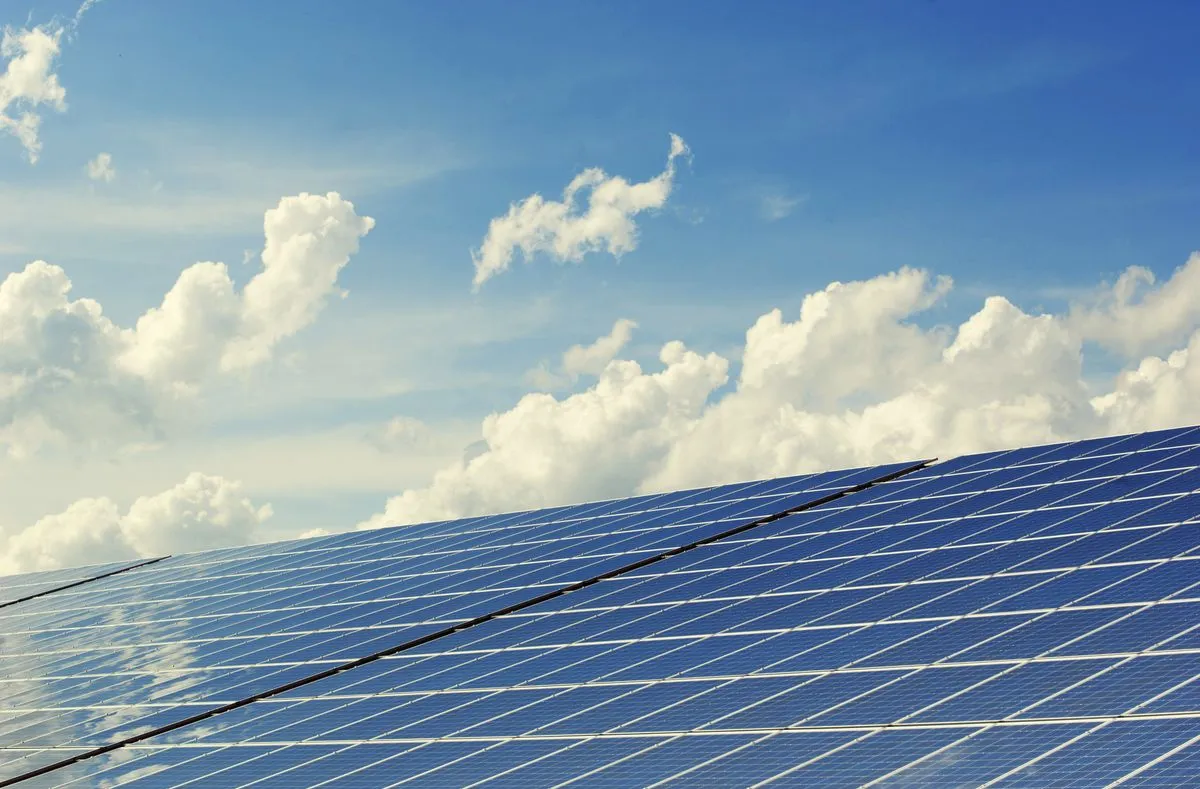
Application: Mohammed bin Rashid Al Maktoum Solar Park, Al Dhafra Solar PV, Noor Abu Dhabi, rooftop solar programme, private solar installations.
The UAE's solar energy programme is among the world's largest, creating sustained demand for photovoltaic cable products:
- Solar DC cable (PV cable): Single-core 4 mm² to 16 mm², rated 1.5 kV DC, TUV-certified, UV and weather-resistant for 25+ year desert exposure
- MV collector cables (33 kV): Connecting inverter stations to grid connection point, typically single-core aluminium XLPE
- MV internal distribution (11 kV): Ring main cables within solar farm boundaries
- Control and SCADA cables: For plant monitoring and communication systems
- Earthing cables: Bare copper and PVC-covered copper for grounding systems
Solar cables for UAE applications must withstand:
- Extreme UV radiation (desert environment, minimal cloud cover)
- Sand abrasion and dust accumulation
- Temperature cycling (extreme heat day / cool desert night)
- High continuous operating temperature (90°C conductor, 120°C short circuit)
Our solar cables carry TUV Rheinland certification (EN 50618) and are specifically formulated for Middle Eastern climate conditions with enhanced UV stabilization and heat-resistant compounds. Product page: PV1-F cable with 25-year UV resistance.
5. Fire Alarm and Emergency System Cables
Application: All buildings, industrial facilities, transport infrastructure — mandatory per UAE Fire and Life Safety Code of Practice.
UAE regulations require dedicated fire alarm cables with circuit integrity maintenance. These cables must continue to function during fire conditions to support evacuation:
- 2-core fire alarm cable (1.0 mm² and 1.5 mm²) with LSZH sheath
- 4-core fire alarm cable for zone and loop circuits
- Fire-resistant power cable (2-core and 4-core, 1.5 mm² to 4.0 mm²) for emergency lighting, fire pumps, smoke extract fans, and pressurization systems
- Enhanced fire-resistant cable (2-hour rating) for high-risk occupancies
All fire alarm cables are tested to:
- IEC 60331 (circuit integrity, 120 minutes at 830°C)
- BS 5839-1 requirements for fire detection and alarm systems
- IEC 60332-3 Category C flame propagation
- Full LSZH compliance (IEC 60754, IEC 61034)
For the non-fire-critical side of the same panel — BMS, HVAC and lighting circuits — the standard product is our control cable for building management and HVAC circuits.
UAE Project Sectors and Applications
DEWA Network Projects
DEWA serves Dubai with one of the world's most reliable power supply systems (achieving 99.98% reliability). The utility's ongoing projects include:
- Expansion of the 400 kV super grid (Hassyan, Jebel Ali complex)
- New 132/11 kV substations to serve developing areas
- Underground 11 kV ring main extensions in new residential communities
- Smart grid upgrades with integrated monitoring cables
- EV charging infrastructure cabling (Dubai Green Mobility Strategy)
Cable supply to DEWA projects requires pre-qualification on DEWA's approved material list. We support contractors through the approval process with complete documentation packages.
Abu Dhabi Projects
Abu Dhabi's development continues with major projects:
- Saadiyat Island cultural district (Guggenheim, Louvre expansion)
- Yas Island expansion (theme parks, residential)
- Masdar City expansion (sustainable urban development)
- ADNOC downstream facilities
- Khalifa Industrial Zone (KIZAD) expansion
ADDC cable specifications apply to all grid-connected projects in the emirate, with specific emphasis on aluminium conductors for cost optimization and water-blocked constructions for the coastal environment.
Renewable Energy
The UAE's clean energy targets translate to concrete cable demand:
- Mohammed bin Rashid Al Maktoum Solar Park: Multi-phase development targeting 5 GW capacity with US$13.6 billion total investment. Each phase requires DC solar cable, MV collector cables, and HV export cables.
- Al Dhafra Solar PV (Abu Dhabi): One of the world's largest single-site solar plants at 2 GW capacity.
- Distributed solar (Shams Dubai): Rooftop solar programme creating steady demand for DC solar cable and LV AC connection cables.
- Green hydrogen projects: Emerging demand for cables serving electrolyser facilities and hydrogen production plants.
Transport and Infrastructure
- Dubai Metro extensions: Continued expansion of the automated metro system with LSZH cable requirements for all underground and station sections
- Etihad Rail: National railway connecting all seven emirates, requiring power, signalling, and communication cables along the entire route
- Abu Dhabi Metro: Planned automated metro system currently in design phase
- Road tunnels: Business Bay Crossing, Shindagha Tunnel, and future tunnel projects requiring tunnel-rated LSZH cables
Quality Assurance and Testing
Our quality assurance system is designed to meet the exacting requirements of UAE utilities and developers:
- ISO 9001:2015 certified quality management system
- IEC CB Scheme certificates for all power cable ranges
- ECAS (Emirates Conformity Assessment Scheme) certificates for UAE-regulated products
- CNAS-accredited laboratory testing (in-house and third-party)
- Full routine testing per IEC 60502-1/2 on every production reel
- Type testing with valid reports from internationally recognized laboratories
- Fire performance testing per IEC 60332, 60754, 61034, and 60331
Testing Capabilities
Our laboratory performs comprehensive testing aligned with DEWA and ADDC requirements:
- Partial discharge testing (for MV cables, sensitivity ≤ 2 pC)
- AC high-voltage withstand testing
- Impulse voltage testing (BIL)
- Hot set testing for XLPE cross-linking verification
- Conductor resistance measurement (4-terminal Kelvin bridge method)
- Insulation and sheath thickness measurement (statistical sampling per IEC)
- Tensile strength and elongation testing (before and after ageing)
- Flame propagation testing (IEC 60332-1 and 60332-3)
- Smoke density measurement (IEC 61034, 3m cube method)
- Halogen content measurement (IEC 60754-1, Wickbold combustion)
- pH and conductivity measurement (IEC 60754-2)
- Circuit integrity testing (IEC 60331, 120-minute fire exposure)
- Oxygen index testing (for LSZH compound qualification)
Third-Party Inspection and Witness Testing
UAE clients routinely appoint third-party inspectors for factory acceptance testing. We accommodate:
- TUV (Rheinland and SUD) — Most common for UAE projects
- Bureau Veritas
- SGS
- Intertek
- KEMA / DNV — For utility-grade MV and HV cables
Our factory is permanently audit-ready with dedicated inspection rooms, open laboratory access, and complete traceability from raw material to finished cable.
Why Choose China Cable Factory for UAE Projects
DEWA and ADDC specification compliance: We manufacture cables that meet the specific technical requirements of both Dubai and Abu Dhabi utilities, including LSZH mandatory sheathing, enhanced temperature ratings, and utility-standard screen constructions.
Fire safety expertise: Our comprehensive range of fire-rated and LSZH cables meets UAE Civil Defence requirements with full test certification. We understand the distinction between LSZH, fire-retardant, and fire-resistant ratings and supply the correct product for each application.
Fast delivery: With only 15–18 days ocean transit to Jebel Ali — one of the shortest routes from China to any major market — we can deliver finished cable to Dubai faster than many regional competitors can produce it.
ECAS and ESMA compliance: We maintain active ECAS certificates and manage the full conformity assessment process for UAE market entry.
Solar energy capability: Our TUV-certified solar cables are specifically formulated for Gulf climate conditions with enhanced UV stabilization and heat resistance, meeting the demands of the UAE's massive solar programme.
Competitive landed cost: The UAE's 5% import duty and 5% VAT, combined with short transit times and our factory-direct pricing, creates a highly competitive landed cost structure compared to European and regional manufacturers.
Free zone logistics: We have experience delivering to JAFZA, KIZAD, and other UAE free zones with appropriate documentation for duty-exempt processing.
Get a Quote for Your UAE Project
Whether you are a DEWA-approved contractor expanding your material supply base, a developer requiring fire-rated cables for a high-rise project, a solar EPC contractor sourcing cables for a renewable energy installation, or a distributor serving the UAE electrical market — we are ready to support your requirements with ESMA-certified, utility-compliant cable products.
What to include in your inquiry:
- Cable type and specification (standard, voltage rating, conductor size, construction details)
- Fire performance requirements (LSZH, fire-resistant, specific IEC test standards)
- Quantity required (metres or kilometres)
- Delivery port (Jebel Ali, Khalifa Port) or free zone
- Project name and timeline
- Utility specification reference (DEWA DS-304/305, ADDC TS number)
- Any specific testing, inspection, or certification requirements
We provide detailed quotations including FOB and CIF pricing, production schedule, shipping plan, and ECAS/conformity documentation timeline. Our team communicates in English and Arabic and is available via WhatsApp for real-time project coordination.
Factory certifications and test reports
If your UAE tender requires supplier qualification documents, these are the ones we can hand over as PDF, issued to Henan Huanghe Cable Co., Ltd.
- ISO 9001:2015 quality management
- ISO 14001 / ISO 45001
- CCC — compulsory certification for wire & cable
- IECEE CB Scheme CN74210 — accepted in 50+ countries
- SGS type test report — solar PV cable