Key Takeaway
Cable insulation comparison chart: PVC, XLPE, EPR, LSZH & Rubber — temperature limits, voltage class, fire rating & cost ranked. Pick the right insulation for your project.
Cable Insulation Types Comparison Guide: PVC vs XLPE vs PE vs EPR vs LSZH vs Rubber
Selecting the right cable insulation is one of the most critical decisions in any electrical installation project. The insulation material directly determines a cable's operating temperature, voltage capacity, mechanical durability, fire safety performance, and overall service life. With multiple insulation types available on the market — each with distinct advantages and limitations — making an informed choice requires a thorough understanding of their properties.
This comprehensive guide compares the six most widely used cable insulation types: PVC (Polyvinyl Chloride), XLPE (Cross-Linked Polyethylene), PE (Polyethylene), EPR (Ethylene Propylene Rubber), LSZH (Low Smoke Zero Halogen), and Rubber. We'll examine their temperature ratings, voltage classes, flexibility, cost factors, and fire performance to help you select the optimal insulation for your specific application.
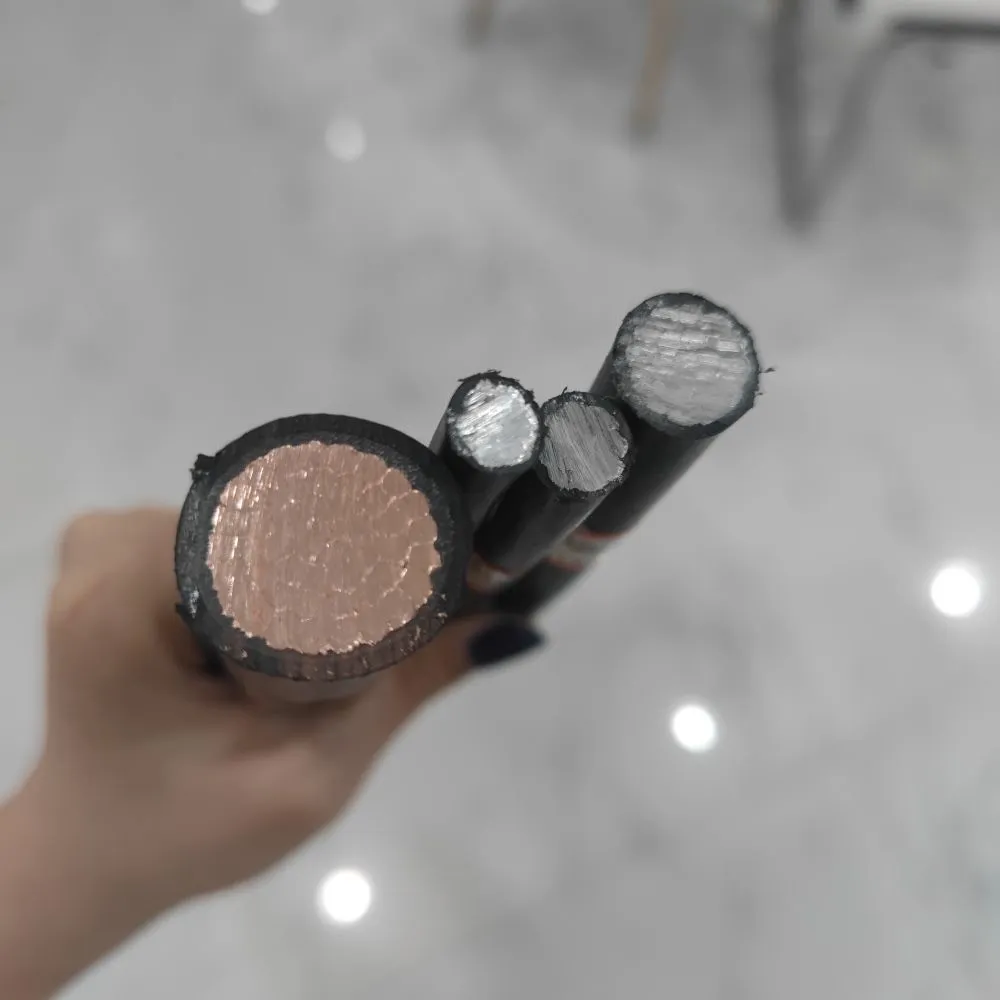
Why Cable Insulation Matters
Cable insulation serves several essential functions in an electrical system:
- Electrical isolation — prevents current leakage, short circuits, and electrical shock hazards
- Thermal protection — withstands heat generated by current flow and ambient temperature conditions
- Mechanical protection — resists abrasion, impact, and physical stress during installation and operation
- Chemical resistance — protects conductors from moisture, oils, acids, and other environmental factors
- Fire safety — determines how a cable behaves during fire events, including flame propagation and toxic gas emission
Choosing the wrong insulation type can lead to premature cable failure, safety hazards, costly replacements, and non-compliance with local regulations. The right insulation choice balances performance requirements against budget constraints and installation conditions.
Overview of the Six Major Cable Insulation Types
1. PVC (Polyvinyl Chloride) Insulation
PVC is the most commonly used cable insulation material worldwide. It is a thermoplastic polymer that softens when heated and hardens when cooled, making it easy to process during manufacturing. PVC insulation dominates the low-voltage cable market due to its combination of adequate electrical properties, chemical resistance, and low cost.
Key Characteristics of PVC Insulation:
- Maximum continuous operating temperature: 70°C (standard grade) or 90°C (heat-resistant grade)
- Voltage range: typically up to 1kV, some formulations up to 6kV
- Good resistance to water, acids, alkalis, and most inorganic chemicals
- Self-extinguishing (does not support combustion once flame source is removed)
- Relatively rigid compared to rubber-based insulations
- Emits dense smoke and hydrogen chloride (HCl) gas when burned
Common Applications:
- Building wiring and house wiring
- Control cables in industrial settings — see our PVC control cable sourcing guide for bulk order options
- General-purpose low-voltage power distribution
- Instrumentation and signal cables
- Temporary installations and flexible cords
PVC remains popular because it offers a practical balance of properties at the lowest cost. However, its temperature limitations, halogen content, and reduced flexibility at low temperatures make it unsuitable for demanding applications.
2. XLPE (Cross-Linked Polyethylene) Insulation
XLPE insulation represents a significant advancement over standard polyethylene. The cross-linking process creates chemical bonds between polymer chains, transforming a thermoplastic material into a thermoset. This gives XLPE dramatically improved thermal, mechanical, and electrical properties compared to both PE and PVC.
Key Characteristics of XLPE Insulation:
- Maximum continuous operating temperature: 90°C (with emergency rating up to 250°C for short circuits)
- Voltage range: 1kV to 500kV (suitable for all voltage classes)
- Excellent dielectric strength and low dielectric loss
- Superior moisture resistance compared to paper-insulated cables
- Does not melt or flow under overload conditions (thermoset behavior)
- Lower weight than PVC for equivalent ratings
Common Applications:
- Medium and high-voltage power distribution
- Underground power cables
- Industrial power supply systems
- Submarine cables
- Power cable installations requiring high current capacity
XLPE has largely replaced paper-insulated lead-covered (PILC) cables in medium and high-voltage applications. Its higher temperature rating allows greater current-carrying capacity for the same conductor size, which can reduce material costs on large projects.
3. PE (Polyethylene) Insulation
Polyethylene is a thermoplastic insulation with outstanding electrical properties, particularly at high frequencies. It has the lowest dielectric constant and dielectric loss of any solid insulation material, making it the preferred choice for communication cables and high-frequency applications.
Key Characteristics of PE Insulation:
- Maximum continuous operating temperature: 70°C (HDPE) or 75°C (some grades)
- Voltage range: low to medium voltage
- Lowest dielectric loss of all common insulation materials
- Excellent moisture resistance
- Good chemical resistance
- Poor fire performance — flammable and drips when burning
- Susceptible to environmental stress cracking
Common Applications:
- Telecommunication cables
- Coaxial cables and RF cables
- Aerial cable insulation
- Data communication cables
- Direct-burial communication cables
PE's superior electrical properties at high frequencies make it irreplaceable for communication applications. However, its low temperature rating and poor fire performance limit its use in power cable applications where XLPE is preferred.
4. EPR (Ethylene Propylene Rubber) Insulation
EPR (also called EPDM — Ethylene Propylene Diene Monomer) is a synthetic rubber insulation that combines excellent electrical properties with superior flexibility. It is a thermoset material that offers a compelling middle ground between the high performance of XLPE and the flexibility of rubber.
Key Characteristics of EPR Insulation:
- Maximum continuous operating temperature: 90°C (same as XLPE)
- Voltage range: 1kV to 35kV (primarily medium voltage)
- Outstanding flexibility, even at low temperatures
- Excellent resistance to moisture and steam
- Good resistance to weathering, ozone, and UV radiation
- Higher dielectric loss than XLPE at high voltages
- Thicker insulation wall required compared to XLPE
Common Applications:
- Medium-voltage flexible power cables
- Mining cables requiring high flexibility
- Shipboard and marine cables
- Portable power cables for heavy equipment
- Industrial applications with frequent cable movement
EPR is often the insulation of choice when cables must withstand repeated flexing, harsh environmental conditions, or low-temperature installations where PVC and XLPE become too rigid.
5. LSZH (Low Smoke Zero Halogen) Insulation
LSZH is not a single material but rather a family of compounds formulated to emit minimal smoke and no halogen gases when exposed to fire. LSZH compounds are typically based on polyolefin materials filled with metal hydroxide flame retardants (such as alumina trihydrate or magnesium hydroxide).
Key Characteristics of LSZH Insulation:
- Maximum continuous operating temperature: 70°C to 90°C (depending on formulation)
- Voltage range: typically up to 1kV (some formulations to higher voltages)
- Very low smoke emission during fire
- Zero halogen gas release (no HCl, HF, or HBr)
- Non-toxic combustion products
- Lower mechanical strength than PVC
- Higher cost than equivalent PVC cables
- Reduced water resistance compared to PVC
Common Applications:
- Tunnels, underground railways, and metro systems
- High-rise buildings and enclosed spaces
- Hospitals, schools, and public assembly areas
- Naval vessels and offshore platforms
- Data centers and computer rooms
- Fire-resistant cable installations
LSZH cables are mandated by building codes in many jurisdictions for enclosed spaces where smoke and toxic gas accumulation could impede evacuation or harm occupants. Their use continues to expand as safety regulations become more stringent worldwide.
6. Rubber Insulation
Natural and synthetic rubber insulations (including silicone rubber, neoprene, and CSP — chlorosulfonated polyethylene) provide exceptional flexibility and wide temperature range performance. Rubber-insulated cables can operate in conditions where other insulation types would crack or fail.
Key Characteristics of Rubber Insulation:
- Maximum continuous operating temperature: 60°C (natural rubber) to 180°C (silicone rubber)
- Voltage range: low to medium voltage
- Superior flexibility across wide temperature ranges
- Excellent resistance to repeated flexing and mechanical abuse
- Good low-temperature performance (remains flexible below -40°C)
- Shorter service life than XLPE due to aging
- Higher cost than PVC or XLPE
- Silicone rubber maintains circuit integrity during fire
Common Applications:
- Welding cables
- Stage and entertainment lighting cables
- Crane and hoist cables
- Portable equipment and tool cables
- High-temperature environments (silicone rubber)
- Mining trailing cables
For welding cable and rubber flexible cable options, see our dedicated product range.
Rubber insulation excels in applications requiring extreme flexibility, frequent movement, and resistance to mechanical abuse. Silicone rubber specifically offers exceptional fire performance, maintaining circuit integrity even when directly exposed to flame.
Comprehensive Comparison Tables
Temperature and Electrical Properties
Mechanical and Physical Properties
Chemical and Environmental Resistance
Fire Performance Comparison
Cost and Availability Comparison
Detailed Head-to-Head Comparisons
PVC vs XLPE Insulation: The Most Common Decision
The choice between PVC and XLPE is the most frequent insulation decision faced by cable buyers and engineers. Here's how they compare in practice:
Choose PVC when:
- The application is low voltage (≤1kV)
- Budget is the primary constraint
- Standard operating temperatures are adequate (≤70°C)
- No special fire performance requirements apply
- Chemical exposure includes oils and solvents
- The installation is temporary or short-term
Choose XLPE when:
- The application requires medium or high voltage
- Higher current-carrying capacity is needed from the same conductor size
- Operating temperatures may exceed 70°C
- Underground or direct-burial installation is planned
- Long service life (30+ years) is required
- Moisture resistance is critical
- Weight reduction matters (XLPE is lighter than PVC)
For power cable applications above 1kV, XLPE is essentially the standard choice today. At low voltage, PVC remains cost-effective for general building wiring, while XLPE offers advantages when higher ampacity or longer life are priorities.
XLPE vs EPR: Medium-Voltage Flexibility
Both XLPE and EPR share the same 90°C continuous temperature rating and target medium-voltage applications, but they differ significantly in mechanical properties:
Choose XLPE when:
- The cable will be installed permanently with no movement
- Lowest dielectric loss is required (high voltage)
- Thinner insulation wall is preferred (smaller cable OD)
- Cost is a significant factor
- The installation route is relatively straight with standard bends
Choose EPR when:
- The cable must withstand repeated flexing or movement
- Installation involves tight bends or confined spaces
- The environment involves vibration (marine, mining)
- Low-temperature flexibility is needed
- Easier installation (pulling and termination) is valued
PVC vs LSZH: The Fire Safety Trade-off
LSZH was developed specifically to address PVC's poor fire performance in enclosed spaces. The decision often comes down to regulatory requirements and installation environment:
Choose PVC when:
- Open-air or well-ventilated installations
- No fire safety regulations mandate halogen-free cables
- Budget is very tight
- Superior water and chemical resistance is needed
- Mechanical robustness is important
Choose LSZH when:
- Enclosed or underground spaces (tunnels, basements)
- Building codes require halogen-free cables
- Occupant evacuation could be impaired by dense smoke
- The installation is in public buildings, hospitals, or transport
- Fire-resistant cable performance is specified
- Environmental regulations restrict halogenated materials
Interested in this product?
Get a Free QuoteApplication Selection Guide
By Industry and Application
Power Generation and Distribution:
- Transmission (HV/EHV): XLPE
- Distribution (MV): XLPE or EPR
- Low-voltage feeders: PVC or XLPE
- Generator connections: EPR (flexibility)
Building and Construction:
- Standard building wiring: PVC
- Commercial high-rises: LSZH
- Fire alarm systems: LSZH or silicone rubber
- Data and communication: PE or LSZH
Industrial and Manufacturing:
- Fixed plant wiring: PVC or XLPE
- Moving machinery: EPR or rubber
- High-temperature areas: silicone rubber or XLPE
- Chemical plants: PVC (acid areas) or XLPE (general)
Transportation:
- Railways and metro: LSZH (mandatory in most countries)
- Shipboard: EPR with LSZH jacket
- Automotive: XLPE or specialized rubber
- Airports: LSZH
Mining and Oil & Gas:
- Trailing cables: EPR or rubber
- Fixed power: XLPE
- Offshore platforms: LSZH with EPR insulation
- Downhole: specialized high-temperature compounds
Telecommunications:
- Outdoor aerial: PE
- Indoor riser: LSZH
- Direct burial: PE with moisture barrier
- Aerial cable applications: PE or XLPE
By Environmental Condition
Standards and Specifications
Cable insulation must conform to international and regional standards that define minimum performance requirements:
International Standards (IEC)
- IEC 60502 — Power cables with extruded insulation (1kV to 30kV): covers PVC, XLPE, EPR
- IEC 60332 — Tests on electric cables under fire conditions (flame propagation)
- IEC 60754 — Test on gases evolved during combustion (halogen content and acidity)
- IEC 61034 — Measurement of smoke density
- IEC 60331 — Fire resistance test (circuit integrity)
- IEC 60228 — Conductors of insulated cables
Regional Standards
- BS 7671 / BS 5467 / BS 6724 — UK wiring regulations and cable standards
- NEC / UL — US National Electrical Code and Underwriters Laboratories
- AS/NZS 5000 — Australian and New Zealand cable standards
- GB/T 12706 — Chinese standard for XLPE power cables
- DIN VDE — German cable and insulation standards
Key Standard Requirements by Insulation Type
Performance in Specific Conditions
High-Temperature Performance
When cables operate near their maximum temperature rating, insulation degradation accelerates. The Arrhenius rule of thumb suggests that for every 10°C above the rated temperature, insulation life is approximately halved.
Temperature hierarchy (continuous rating):
- Silicone Rubber: 180°C
- XLPE / EPR: 90°C
- PE: 70-75°C
- PVC (standard): 70°C
- Natural Rubber: 60°C
For installations in hot climates or near heat sources, choosing an insulation with a higher temperature rating provides a critical safety margin and extends cable life significantly.
Moisture and Water Exposure
Water treeing is a primary failure mechanism in medium-voltage cables exposed to moisture. XLPE is susceptible to water treeing over decades of service, which has led to the development of tree-retardant XLPE (TR-XLPE) for direct burial and underwater applications.
Moisture resistance ranking:
- PE / XLPE — lowest moisture absorption
- EPR — good but slightly higher absorption than XLPE
- PVC — good surface resistance but absorbs over time
- LSZH — moderate (the metal hydroxide fillers can be hygroscopic)
- Natural Rubber — moderate
Mechanical Stress and Flexibility
Installation conditions often demand cables that can be pulled through conduits, bent around obstacles, and withstand mechanical abuse without insulation damage.
Flexibility ranking (best to least):
- Silicone Rubber
- Natural Rubber / Neoprene
- EPR
- PVC (plasticized)
- LSZH
- XLPE
- PE (HDPE)
For applications involving frequent movement or tight installation spaces, flexible insulation types reduce installation time and avoid insulation cracking.
Cost-Benefit Analysis for Buyers
When evaluating cable insulation on a total cost of ownership basis, the initial purchase price is only one factor:
Total Cost Considerations
Lower upfront cost (PVC):
- Cheapest material and manufacturing cost
- Widely available with short lead times
- But: lower ampacity means potentially larger conductor sizes
- But: shorter service life may require earlier replacement
- But: may not meet fire safety codes (requiring costly alternatives later)
Moderate upfront cost (XLPE):
- 20-50% more expensive than equivalent PVC cable
- But: 15-30% higher current capacity allows smaller conductors
- But: 30-40 year service life reduces lifecycle cost
- But: lighter weight reduces shipping and handling costs
- Net result: often cheaper than PVC on a lifecycle basis for power cables
Higher upfront cost (EPR, LSZH, Rubber):
- 50-250% premium over PVC
- Justified by specific performance requirements
- Often mandated by codes — not optional
- Consider: reduced installation labor (flexible cables)
- Consider: avoided cost of fire damage and liability
When to Pay More for Better Insulation
The premium is justified when:
- Regulatory compliance requires it (LSZH in tunnels, fire-resistant in escape routes)
- Higher ampacity offsets conductor cost savings (XLPE vs PVC in long runs)
- Replacement access is difficult or expensive (underground, embedded in concrete)
- Safety consequences of failure are severe (hospitals, data centers, high-rises)
- Environmental conditions demand it (high temperature, chemical exposure, movement)
The premium is NOT justified when:
- Standard PVC meets all technical and regulatory requirements
- The installation is temporary or short-term
- Easy access for future replacement exists
- The environment is benign (indoor, dry, moderate temperature, no fire risk)
Interested in this product?
Get a Free QuoteRecent Developments and Trends
The cable insulation industry continues to evolve with new materials and formulations:
Emerging Trends
-
Enhanced LSZH compounds — newer formulations are closing the mechanical property gap with PVC while maintaining fire safety advantages
-
Tree-retardant XLPE (TR-XLPE) — improved water-tree resistance extends service life of underground medium-voltage cables to 40+ years
-
Nano-filled insulations — nanoparticle additives (silica, clay, metal oxides) improve partial discharge resistance, thermal conductivity, and mechanical properties
-
High-temperature XLPE — formulations pushing continuous ratings toward 105°C for increased power density
-
Recyclable thermoset alternatives — research into cross-linked materials that can be recycled at end of life, addressing sustainability concerns
-
Bio-based insulation materials — development of insulation compounds derived from renewable resources rather than petroleum
Regulatory Direction
Global regulations are trending toward:
- Mandatory LSZH in more building types and public spaces
- Stricter fire performance testing (e.g., EN 50575 / CPR in Europe)
- Extended producer responsibility for cable waste
- RoHS and REACH compliance driving reformulation of PVC compounds
- Increased emphasis on cable fire safety in the wake of high-profile building fires
Frequently Asked Questions (FAQ)
Q: What is the difference between PVC and XLPE insulation?
A: PVC is a thermoplastic rated for 70°C continuous operation, primarily used in low-voltage applications up to 1kV. XLPE is a thermoset (cross-linked) material rated for 90°C, suitable for all voltage classes from 1kV to 500kV. XLPE offers 15-30% higher current-carrying capacity, better moisture resistance, longer service life, and lower weight. PVC is cheaper and offers better chemical resistance to some solvents. For power cables above 1kV, XLPE is the standard choice.
Q: Is LSZH cable better than PVC?
A: LSZH is superior to PVC in fire safety — it produces minimal smoke and no toxic halogen gases when burned. However, PVC has better water resistance, mechanical toughness, and chemical resistance, at lower cost. LSZH is "better" for enclosed spaces, public buildings, and transport applications where fire safety is critical. PVC is "better" for general-purpose wiring where fire safety codes don't mandate halogen-free materials.
Q: What insulation type is best for underground cables?
A: XLPE is the preferred insulation for underground power cables due to its excellent moisture resistance, high temperature rating (allowing greater depth of burial without excessive derating), long service life, and suitability for all voltage levels. For communication cables buried underground, PE is common. TR-XLPE (tree-retardant) variants further improve longevity in wet soil conditions. See our complete underground power cable installation guide for cable type selection by burial method.
Q: Can I use PVC-insulated cables outdoors?
A: Standard PVC cables can be used outdoors with appropriate UV-stabilized outer sheathing, but bare PVC insulation will degrade under prolonged UV exposure. For outdoor applications, ensure the cable has a UV-resistant outer jacket, or use conduit protection. PVC also becomes rigid in cold temperatures (below -5°C to -10°C), which can cause cracking if cables are flexed during cold-weather installation.
Q: What is the maximum voltage for PVC-insulated cables?
A: Standard PVC-insulated power cables are rated up to 1kV (1000V). Some specialized PVC formulations can achieve ratings up to 3.3kV or 6.6kV, but these are less common. For voltages above 1kV, XLPE or EPR insulation is standard practice due to their superior dielectric properties and lower losses at higher voltages.
Q: Why is EPR insulation more expensive than XLPE?
A: EPR uses more expensive base polymers (ethylene propylene copolymers) and requires more complex compounding with fillers, oils, and curing agents. The manufacturing process is also more involved. However, EPR's premium is justified when flexibility, ease of installation, and resistance to mechanical stress are priorities — such as in mining, marine, and portable power applications.
Q: What does "cross-linked" mean in XLPE?
A: Cross-linking is a chemical process that creates bonds between polyethylene polymer chains, converting it from a thermoplastic (which melts when heated) into a thermoset (which does not melt). This dramatically improves thermal performance — raising the continuous temperature rating from 70°C (PE) to 90°C (XLPE) and the short-circuit rating to 250°C. Cross-linking can be achieved through peroxide curing (chemical), silane grafting (moisture cure), or electron beam irradiation.
Q: Are LSZH cables harder to install than PVC cables?
A: LSZH cables can be slightly more challenging to install because the insulation and sheath compounds are somewhat stiffer and more prone to surface damage from pulling. They have lower cut-through resistance and may require more careful handling during termination. However, with proper installation practices and appropriate pulling lubricants, LSZH cables install successfully in the same applications as PVC cables.
Q: How do I choose between EPR and rubber insulation for flexible cables?
A: EPR is preferable for medium-voltage flexible cables (up to 35kV) and offers a good balance of electrical properties and flexibility. Natural or synthetic rubber is better for low-voltage applications requiring extreme flexibility, very tight bend radii, or resistance to severe mechanical abuse (welding cables, crane cables). Silicone rubber is the choice when high-temperature performance (up to 180°C) or fire-resistant circuit integrity is needed.
Q: What insulation should I specify for a cable that needs to pass fire-resistance tests?
A: For circuit integrity during fire (maintaining power supply while exposed to flame), the options are: mica-tape wrapped conductors with LSZH outer materials, or silicone rubber insulation. Silicone rubber forms a protective ceramic-like ash layer when burned that continues to provide insulation. For detailed fire-resistant cable solutions, see our fire-resistant cable range.
Conclusion: Making the Right Insulation Choice
Selecting cable insulation is ultimately about matching material properties to application requirements. No single insulation type is "best" for all situations — each offers a specific combination of thermal, electrical, mechanical, and fire performance characteristics at a given cost point.
Summary decision framework:
- General low-voltage, budget-focused: PVC
- Power distribution, all voltages: XLPE
- Communication and data: PE
- Flexible medium-voltage: EPR
- Enclosed spaces, fire safety: LSZH
- Extreme flexibility or temperature: Rubber (natural, neoprene, or silicone)
When in doubt, consider the total cost of ownership rather than initial price alone. A cable that costs 50% more but lasts twice as long and carries 20% more current often delivers better value over the project lifetime.
For projects requiring specific insulation types or technical guidance on cable selection, our engineering team is ready to assist with recommendations tailored to your voltage class, installation environment, regulatory requirements, and budget.
Interested in this product?
Get a Free QuoteRelated Products & Resources
- XLPE Power Cable (YJV) — Product Details
- PVC Insulated Power Cable (VV)
- Control Cable for Industrial Automation — PVC/XLPE insulated multi-core cables
- Rubber Insulated Cable — Welding & Flexible — YH welding cable and YC/YZ rubber flexible cable
- Solar Cable (PV1-F / H1Z2Z2-K) — XLPE/LSZH insulated photovoltaic cable
- Fire Resistant Cable — LSZH and mica-tape insulated cables for critical circuits
- 4 Core Armoured Cable: SWA/STA Specifications — XLPE insulated armoured cable full size chart and current ratings
- ACSR Conductor Guide — Complete Specifications
- XLPE Power Cable Manufacturer Guide
- How to Import Cable from China — Buyer's Guide
- 3 Phase Power Cable Specifications — sizing tables and installation guide for three-phase systems