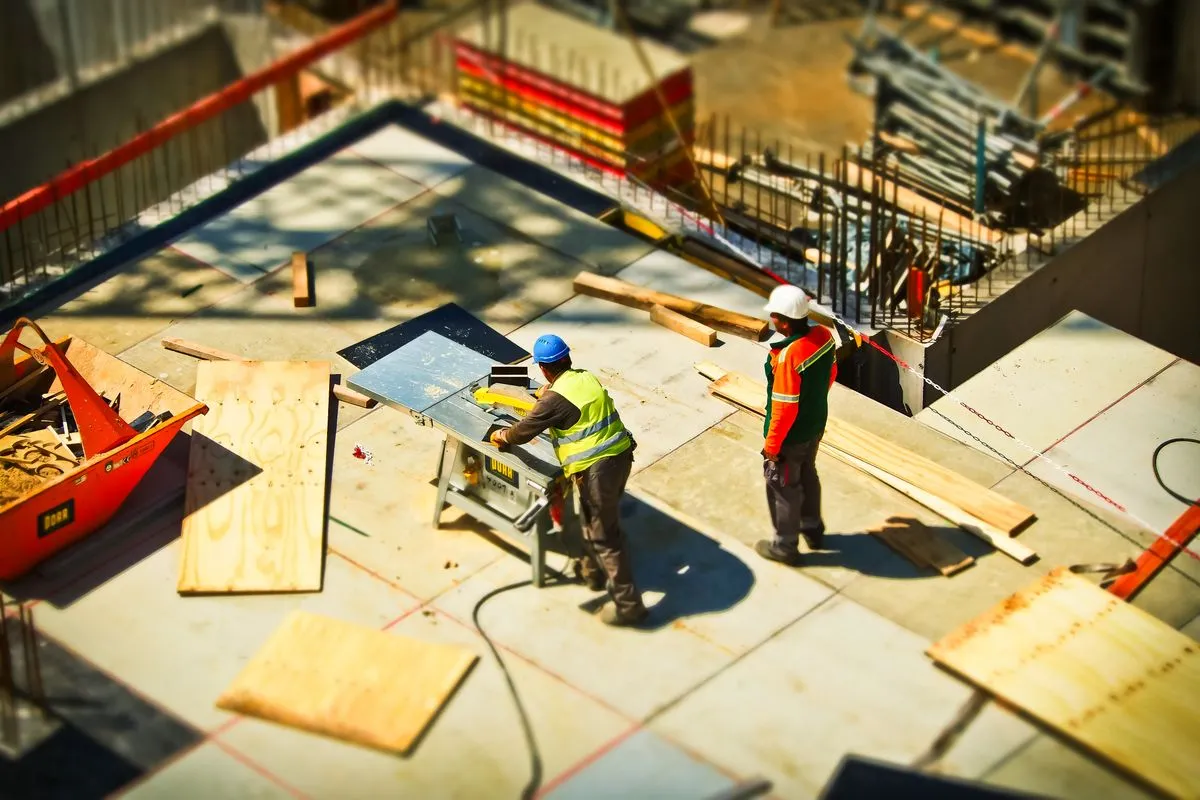
Cables for Infrastructure & Construction Projects
When a metro tunnel opens behind schedule, the cost isn't just financial — it's measured in years of commuter frustration. When a hospital's emergency power fails during a fire, lives are at stake. Infrastructure projects operate under regulatory scrutiny and safety expectations that make cable specification a critical engineering decision. EPC contractors know that a non-compliant cable shipment means redesign, delays, and potential disqualification.
Cable Requirements
Large-scale infrastructure projects share common cable performance demands driven by safety codes and long service life:
Fire Safety (LSZH / FR)
LSZH cables are mandated in metro tunnels, airports, hospitals, and high-rises. Fire-resistant cables maintaining integrity for 60–120 minutes are required for life-safety circuits.
Underground & Direct-Burial
Cables need moisture barriers (PE/MDPE sheaths), mechanical protection (SWA), and ratings for the thermal resistivity of burial environment.
Medium Voltage Distribution
Power received at 11–33kV is distributed via internal MV rings. 3-core XLPE cables with copper wire screen and MDPE oversheath are the standard.
Long Service Life
Infrastructure assets are designed for 50–100 year lifespans. XLPE insulation with proper thermal rating provides 40+ year insulation life under rated conditions.
Seismic Movement
In earthquake zones, cables must accommodate building movement without conductor fracture. Flexible connections at building joints are required.
EMC in Sensitive Environments
Hospitals (MRI suites), data centres, and ATC facilities require shielded cables and careful routing to prevent electromagnetic interference.
Recommended Products
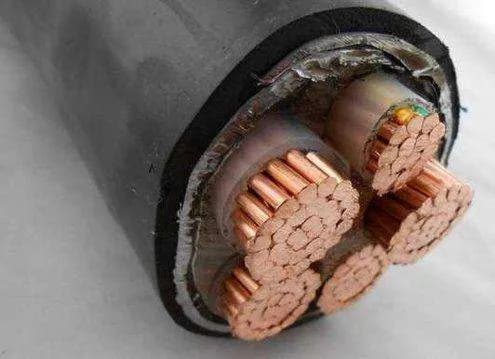
XLPE Medium Voltage Cable
Single-core and 3-core XLPE with copper wire screen for 6.6–33kV distribution. PE or PVC sheath. The backbone of infrastructure power.
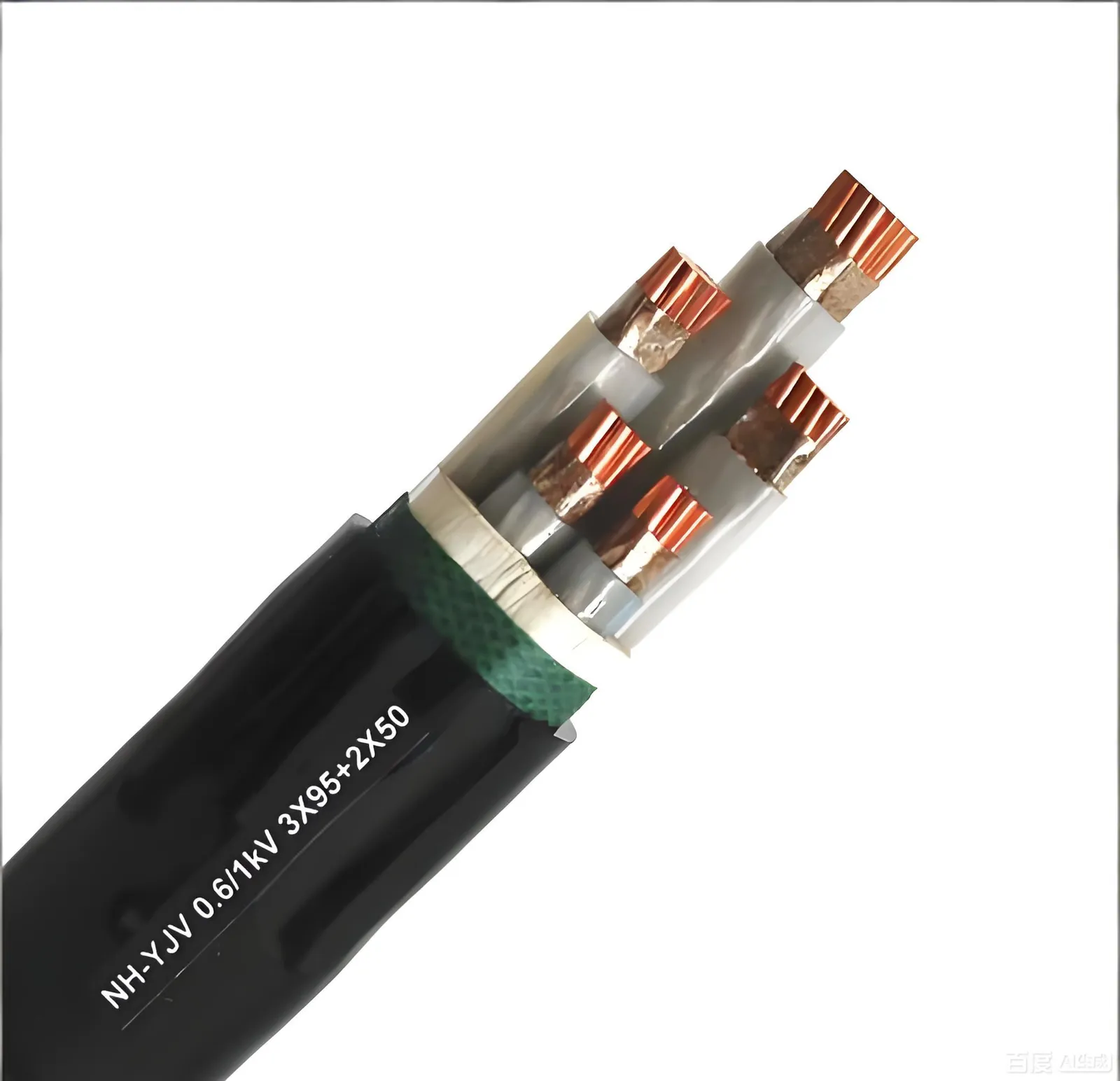
Fire-Resistant Cable
Mica-tape insulated, 30–120 min circuit integrity at 830°C. For fire alarms, emergency lighting, smoke extraction, and evacuation systems.
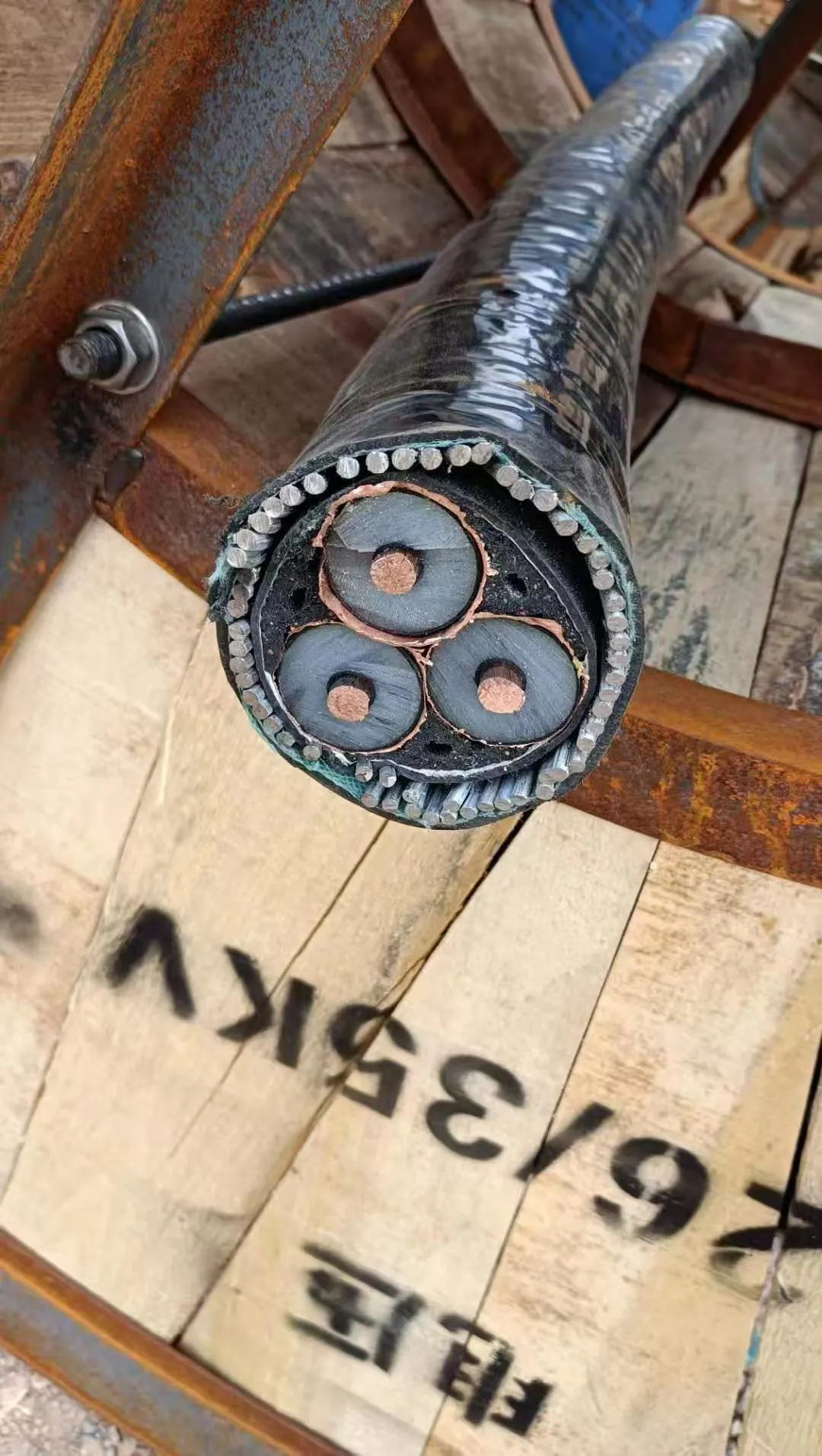
Steel Wire Armoured (SWA) Cable
XLPE insulated, PVC/PE sheathed with galvanised SWA for underground duct and direct burial. Available LV and MV ratings.
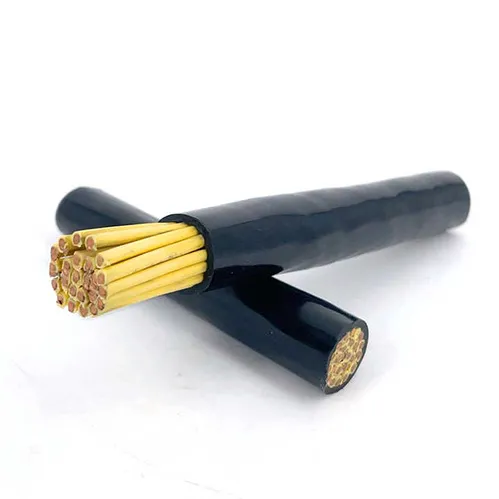
Control Cable (LSZH)
Multi-core and multi-pair for BMS, SCADA, fire systems, and tunnel ventilation control. LSZH variants for infrastructure use.
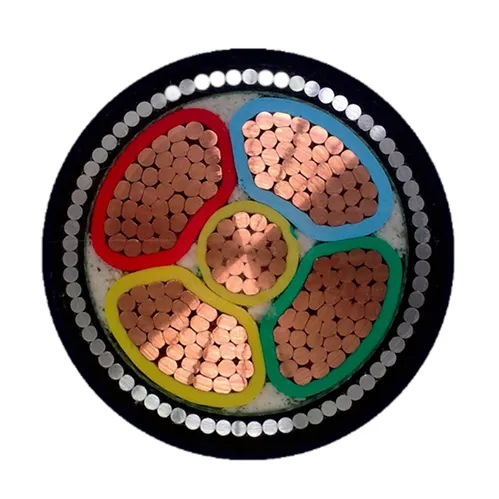
PVC Power Cable
Standard PVC insulated for areas where LSZH is not mandated and cost optimization is priority.
Standards & Certifications
| Standard | Description |
|---|---|
| IEC 60502-1/2 | Power cables with extruded insulation, 1kV to 30kV |
| IEC 60332-3 | Flame propagation — bunched cables, Category A |
| IEC 61034 | Smoke density measurement (transmittance ≥60%) |
| IEC 60754 | Halogen acid gas emission test (HCl ≤0.5%) |
| IEC 60331 | Fire resistance — circuit integrity (830°C, 30–120 min) |
| BS 7846 | 600/1000V armoured fire-resistant cables with LSZH sheath |
| EN 50575 (CPR) | Construction Products Regulation fire classification (EU) |
| NFPA 130 | Fixed guideway transit and passenger rail systems |
| GB/T 19666 | Fire-resistant and flame-retardant cables (China) |
Typical Specifications
| Application | Voltage | Conductor | Insulation | Notes |
|---|---|---|---|---|
| Metro tunnel distribution | 12/20kV or 19/33kV | 3×185–400mm² Cu | XLPE/SWA/PE | IEC 60332-3 Cat A |
| Metro tunnel LV | 0.6/1kV | 4×95–300mm² Cu | LSZH armoured | IEC 61034 |
| Fire alarm (metro/building) | 0.6/1kV | 2–4 core × 1.5mm² | Fire-resistant LSZH | IEC 60331 (120 min) |
| Smoke extraction fan | 0.6/1kV | 3×10–50mm² Cu | Fire-resistant | SWA |
| Hospital distribution | 0.6/1kV | 4×185–400mm² Cu | XLPE/SWA | IEC 60332-3 Cat A |
| Airport MV ring | 19/33kV | 3×240–400mm² Cu | XLPE screened | — |
| Data centre feeder | 0.6/1kV | 1×300–630mm² Cu (×3+N+E) | XLPE/LSZH | IEC 60332-3 |
| Highway tunnel lighting | 0.6/1kV | 5×6–16mm² Cu | LSZH | IEC 61034 |
Frequently Asked Questions
- What is the difference between LSZH, flame-retardant, and fire-resistant cable?
- Flame-retardant (IEC 60332) means the cable won't propagate fire. LSZH (IEC 60754 + IEC 61034) means minimal toxic halogen gases and dense smoke. Fire-resistant (IEC 60331) means the cable continues carrying current at 830°C. Infrastructure projects typically require all three combined for critical safety circuits.
- Why do metro and tunnel projects require such stringent fire performance?
- Tunnels create enclosed environments where smoke is the primary killer. Cables must not spread fire (IEC 60332-3 Cat A), produce minimal smoke (IEC 61034 ≥60% transmittance), emit no toxic HCl (IEC 60754), and maintain power to ventilation and lighting throughout evacuation (IEC 60331, 120 min).
- Can you supply complete cable packages for large EPC infrastructure contracts?
- Yes. We supply full packages including MV distribution, LV power, fire-resistant safety circuits, control cables, and instrumentation — all from a single manufacturer. This simplifies procurement, ensures consistent quality, and allows coordinated delivery.
- What is CPR and do I need it for my project?
- CPR (Construction Products Regulation, EU 305/2011) requires cables in EU buildings/infrastructure to carry fire performance classification. Common: B2ca-s1,d1,a1 for escape routes, Cca-s1b,d1,a1 for general areas. Contact us with your project location for applicable class.