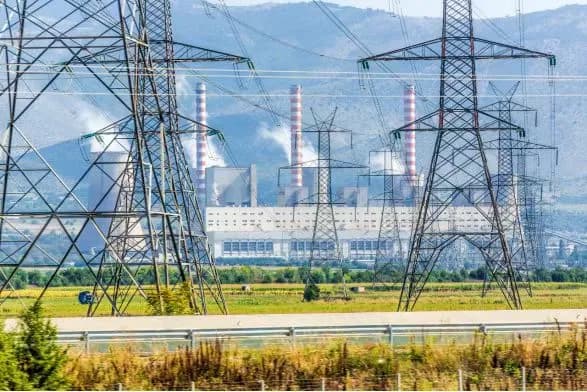
Cables for Rural Electrification Projects
Connecting remote communities to reliable electricity remains one of the largest infrastructure challenges across Africa, South Asia, and Southeast Asia. Rural electrification projects operate under tight budget constraints, difficult logistics, and demanding timelines. The cable you choose must balance cost efficiency with durability — because returning to replace failed overhead lines in areas accessible only by unpaved roads is a budget disaster no project manager wants to explain to a funding body.
Cable Requirements
Rural electrification cable selection is driven by a different set of priorities than urban distribution:
Cost Efficiency
Budget per kilometre of line is the primary constraint. Aluminium conductors dominate because they deliver adequate current capacity at roughly one-third the cost of copper.
Overhead Installation
Most rural distribution uses overhead construction to minimize civil works costs. Cables need adequate tensile strength to span between poles at 60–120m intervals.
Weather Resistance
UV exposure, wind loading, ice accumulation, and temperature cycling from -10°C to +50°C. Cables must maintain integrity over a 25–30 year service life.
Theft Resistance
Aerial bundled cable (ABC) significantly reduces power theft compared to bare overhead conductors, a major consideration in many rural electrification programs.
Ease of Installation
Limited access to heavy equipment means lighter cables and simpler installation methods. ABC can be installed with basic hand tools and fewer skilled workers.
Voltage Levels
Typically 11kV or 33kV for distribution feeders and 0.4kV (400V) for final low-voltage reticulation to households.
Recommended Products
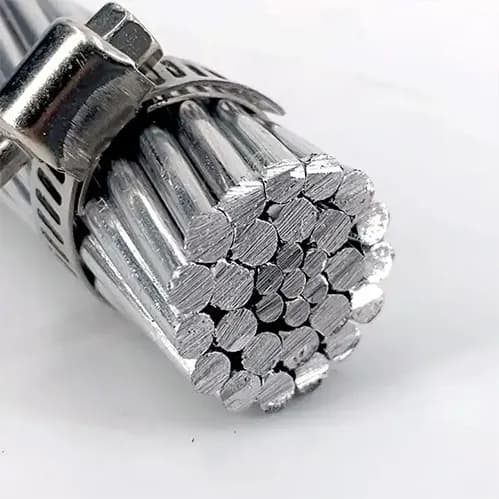
ACSR Conductor
Steel core provides mechanical strength for long spans while aluminium strands carry current. Available from Rabbit (50mm²) to Zebra (400mm²).
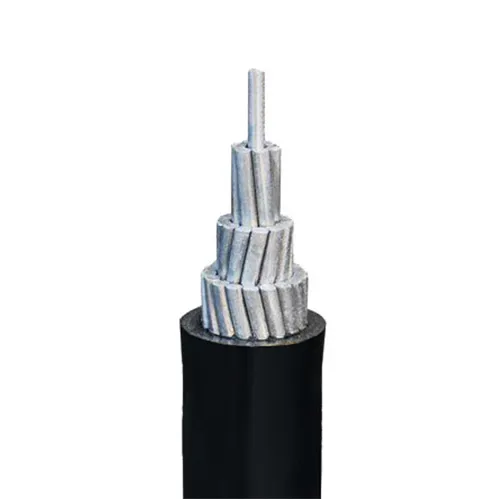
Aerial Bundled Cable (ABC)
Insulated aluminium conductors bundled together. Reduces power theft, accidental electrocution, and vegetation clearance requirements.
AAC Conductor
For shorter spans and lower tension requirements where steel reinforcement is not needed. Lower cost than ACSR for appropriate applications.
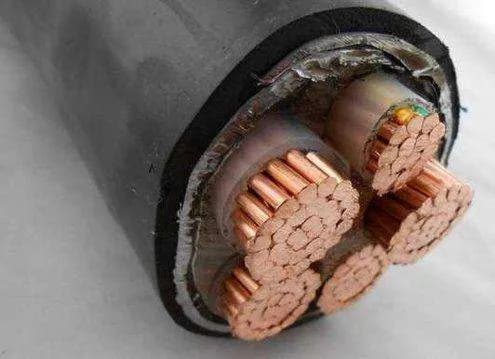
XLPE Insulated Overhead Cable
For 11kV and 33kV covered conductor applications where vegetation contact or reduced clearances require insulated overhead lines.
Standards & Certifications
| Standard | Description |
|---|---|
| IEC 61089 | Round wire concentric lay overhead electrical stranded conductors |
| IEC 60502 | Power cables with extruded insulation, 1kV to 30kV |
| BS 215 | Aluminium conductors, steel reinforced (ACSR) |
| NFC 33-209 | Aerial bundled cables for rated voltages up to 1kV (French standard, widely adopted in Africa) |
| GB/T 1179 | Round wire concentric lay overhead conductors (Chinese national standard) |
| ASTM B232 | Aluminium conductors, steel reinforced — US/international projects |
| IEC 60889 | Hard-drawn aluminium wire for overhead line conductors |
| SANS 182 | Conductors for overhead power lines (Southern Africa) |
Typical Specifications
| Application | Voltage | Conductor | Insulation | Notes |
|---|---|---|---|---|
| 33kV distribution feeder | 33kV | 100–200mm² (Dog to Lynx) | Bare ACSR | 150–300m span |
| 11kV distribution line | 11kV | 50–100mm² (Rabbit to Dog) | Bare ACSR | 80–150m span |
| LV main line (3-phase) | 0.6/1kV | 4×95mm² Al | XLPE (ABC) | 60–80m span |
| LV branch line | 0.6/1kV | 4×50mm² Al | XLPE (ABC) | 40–60m span |
| Service drop (single phase) | 0.6/1kV | 2×16mm² Al | XLPE (ABC) | 25–35m span |
| Street lighting | 0.6/1kV | 4×50 + 1×16mm² | XLPE (ABC) | With pilot conductor |
| Rural 33kV backbone | 33kV | 175mm² (Lynx) | Bare ACSR | 200–350m span |
Frequently Asked Questions
- Why is ABC preferred over bare conductors for rural electrification?
- ABC offers four key advantages: it virtually eliminates illegal tapping (a major revenue loss issue), requires much less vegetation clearance, reduces accidental electrocution risk from fallen conductors, and allows installation on shorter poles with narrower right-of-way. The slightly higher material cost is offset by reduced installation costs and lower technical losses.
- What ACSR sizes are most common for rural 11kV and 33kV lines?
- For 11kV feeders, ACSR Rabbit (50mm²) and Dog (100mm²) are most common. For 33kV backbone lines, ACSR Dog (100mm²) through Lynx (175mm²) are typical. The steel-to-aluminium ratio is selected based on span length and terrain.
- Can you supply cables that meet World Bank / AfDB procurement requirements?
- Yes. We regularly supply rural electrification projects funded by multilateral development banks. Our products carry IEC test reports from accredited laboratories, and we provide documentation packages required for international competitive bidding (ICB).
- How do you handle logistics to remote project sites?
- We deliver to major ports worldwide via container shipping (FOB, CIF, or CFR terms). Cable drums are packed for ocean transport and inland delivery. We work with your logistics team to plan delivery routes, drum sizes compatible with available transport, and phased shipment schedules.