Key Takeaway
Factory audit checklist for buying cable from China: what certifications to verify, production line capacity checks, QC process evaluation, and red flags to avoid.
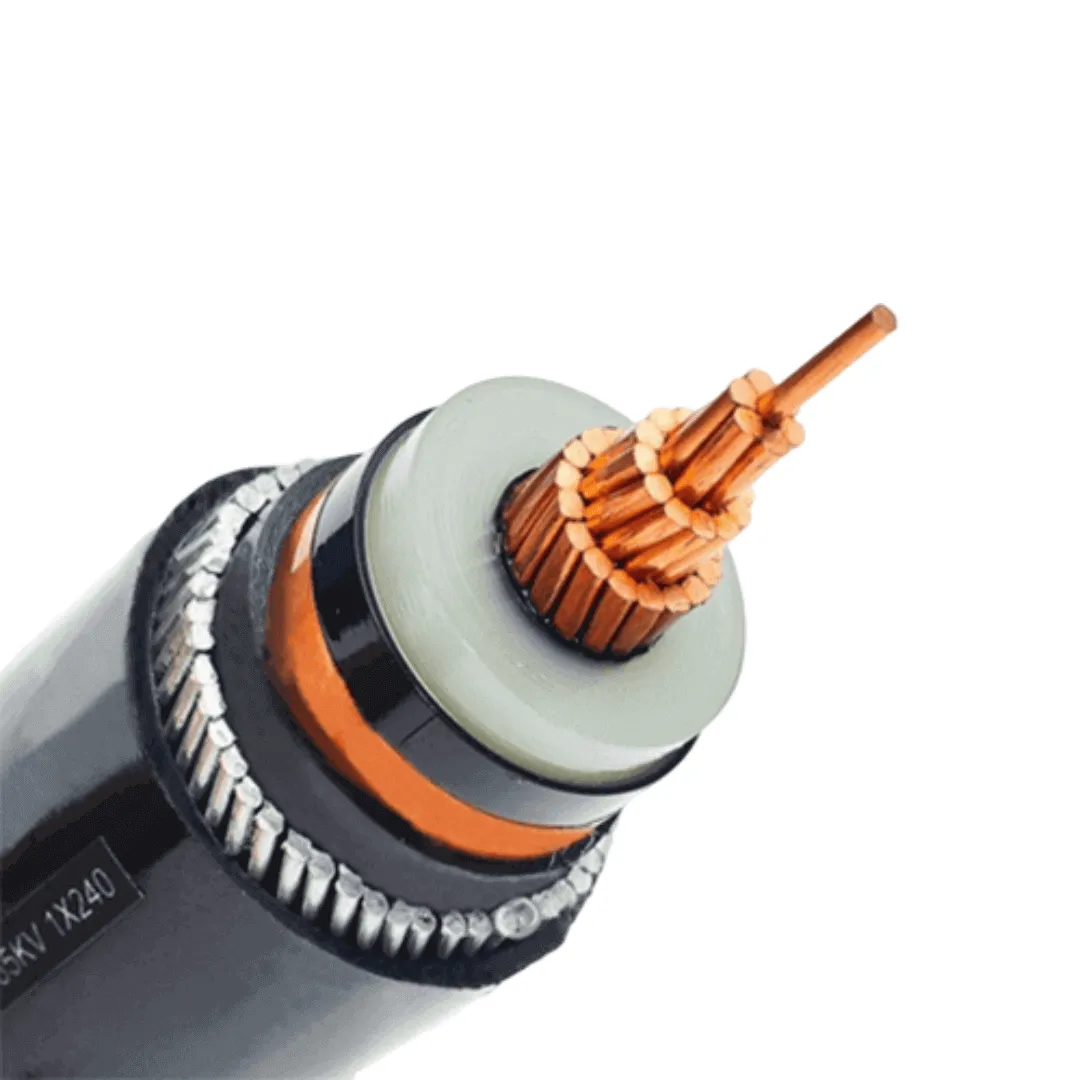
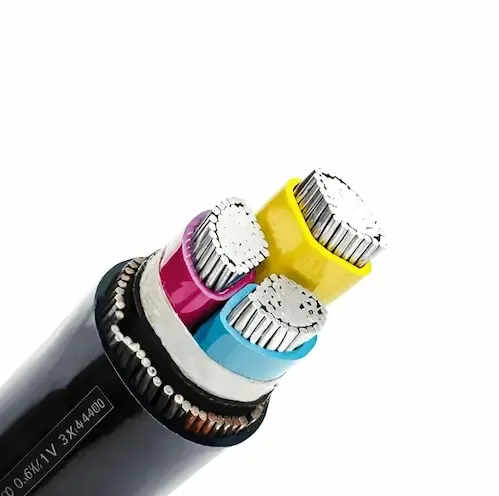
China produces over 30% of the world's power cables. For project developers, utility contractors, and distributors sourcing XLPE insulated power cables — from 0.6/1 kV low-voltage distribution lines to 35 kV medium-voltage feeders — Chinese manufacturers offer a combination of production scale, price competitiveness, and certification coverage that is difficult to match elsewhere.
But not all Chinese cable factories are equal. The difference between a reliable XLPE cable manufacturer and a problematic one can mean the difference between a project that runs on schedule and one that fails inspection, arrives with substandard insulation thickness, or delivers copper conductors that turn out to be copper-clad aluminium.
This guide is written from the manufacturer side. We produce XLPE power cables at our facility in Henan, China, and export to Africa, Southeast Asia, the Middle East, and South America. We will walk you through exactly what separates a capable, trustworthy XLPE cable factory from one that looks good on a website but cannot deliver to specification — and how to verify the difference before you commit your project budget.
Why Source XLPE Cable from China?
Before diving into factory selection criteria, it helps to understand why international buyers consistently choose the leading China XLPE cable manufacturers over local or third-country alternatives.
Cost Structure Advantage
Chinese cable factories benefit from:
- Integrated supply chains — Copper rod drawing, aluminium ingot processing, XLPE compound production, and steel wire/tape manufacturing all happen within close geographical proximity, reducing logistics cost
- Scale economics — Major Chinese cable clusters (Henan, Jiangsu, Zhejiang, Anhui) contain hundreds of factories competing on efficiency
- Lower labour and energy costs — While these gaps have narrowed, they still provide meaningful cost advantages on high-labour processes like armouring and quality testing
For a typical 4×95mm² Cu/XLPE/SWA/PVC cable, FOB China pricing is typically 20–35% below equivalent European or Middle Eastern manufactured product, depending on copper market conditions at the time of order.
Production Flexibility
Chinese manufacturers can generally handle:
- Mixed orders across voltage classes (0.6/1 kV and 8.7/15 kV on the same PO)
- Non-standard configurations (unusual core counts, custom sheath colours, print marking per project specification)
- Multiple certification standards on a single production run (IEC + national standards like SABS, SON, BS, NFC)
Export Experience
Established Chinese XLPE cable exporters have solved the logistics challenges that trip up first-time importers:
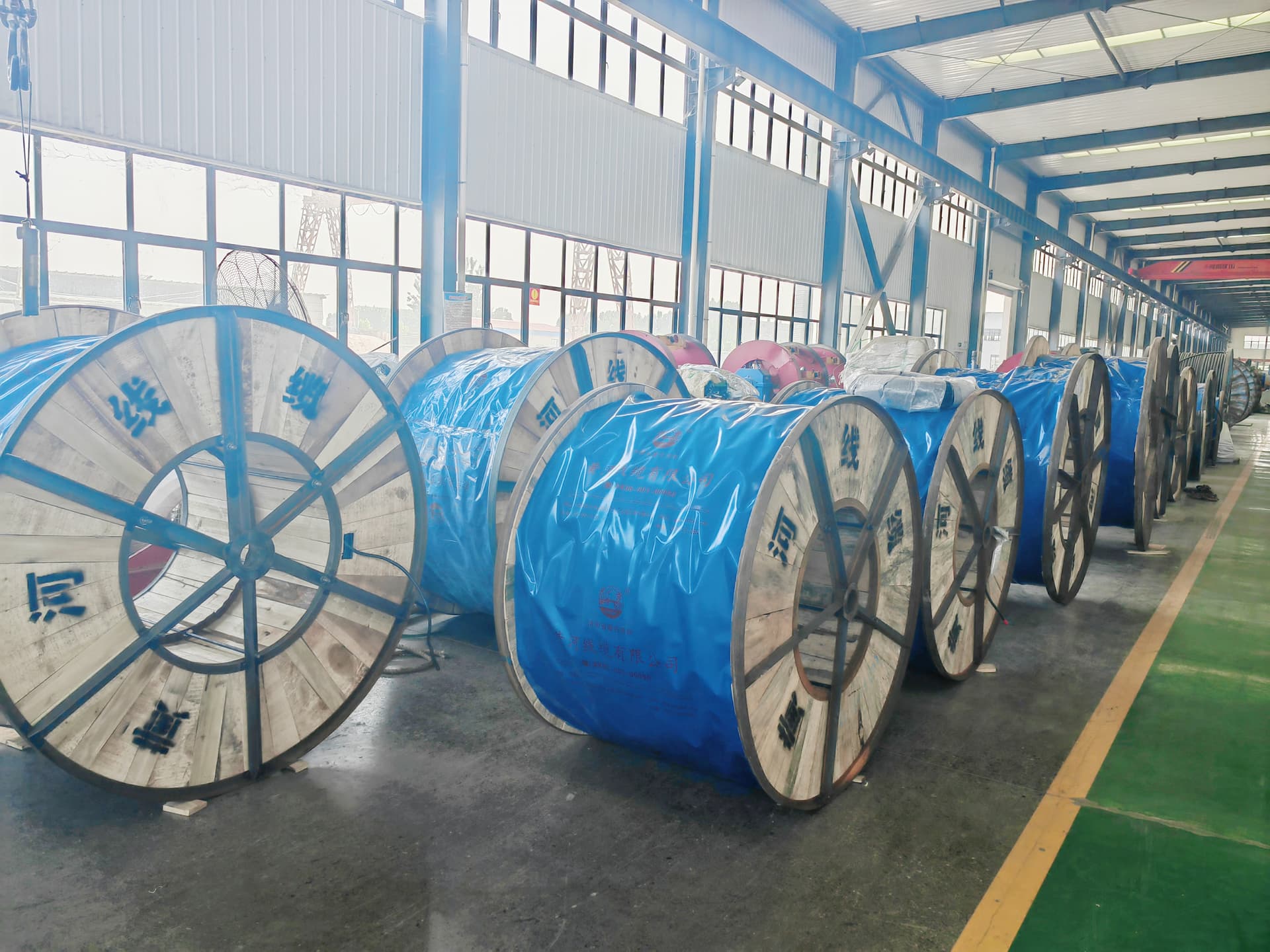
- Standard export packaging (wooden cable drums with steel reinforcement, seaworthy wrapping)
- Documentation for customs clearance (commercial invoice, packing list, certificate of origin, test reports per drum)
- Experience with LC payment terms and third-party inspection (SGS, BV, Intertek)
What Makes a Reliable XLPE Cable Manufacturer? 7 Things to Verify
When you search "XLPE cable manufacturer China" you will find hundreds of results. Alibaba alone lists thousands. The challenge is separating genuine manufacturers with their own production lines from trading companies reselling other factories' output — and among genuine factories, identifying the ones with the quality systems and export capability your project requires.
Here are the seven critical factors to evaluate:
1. Own Extrusion Lines (Not a Trading Company)
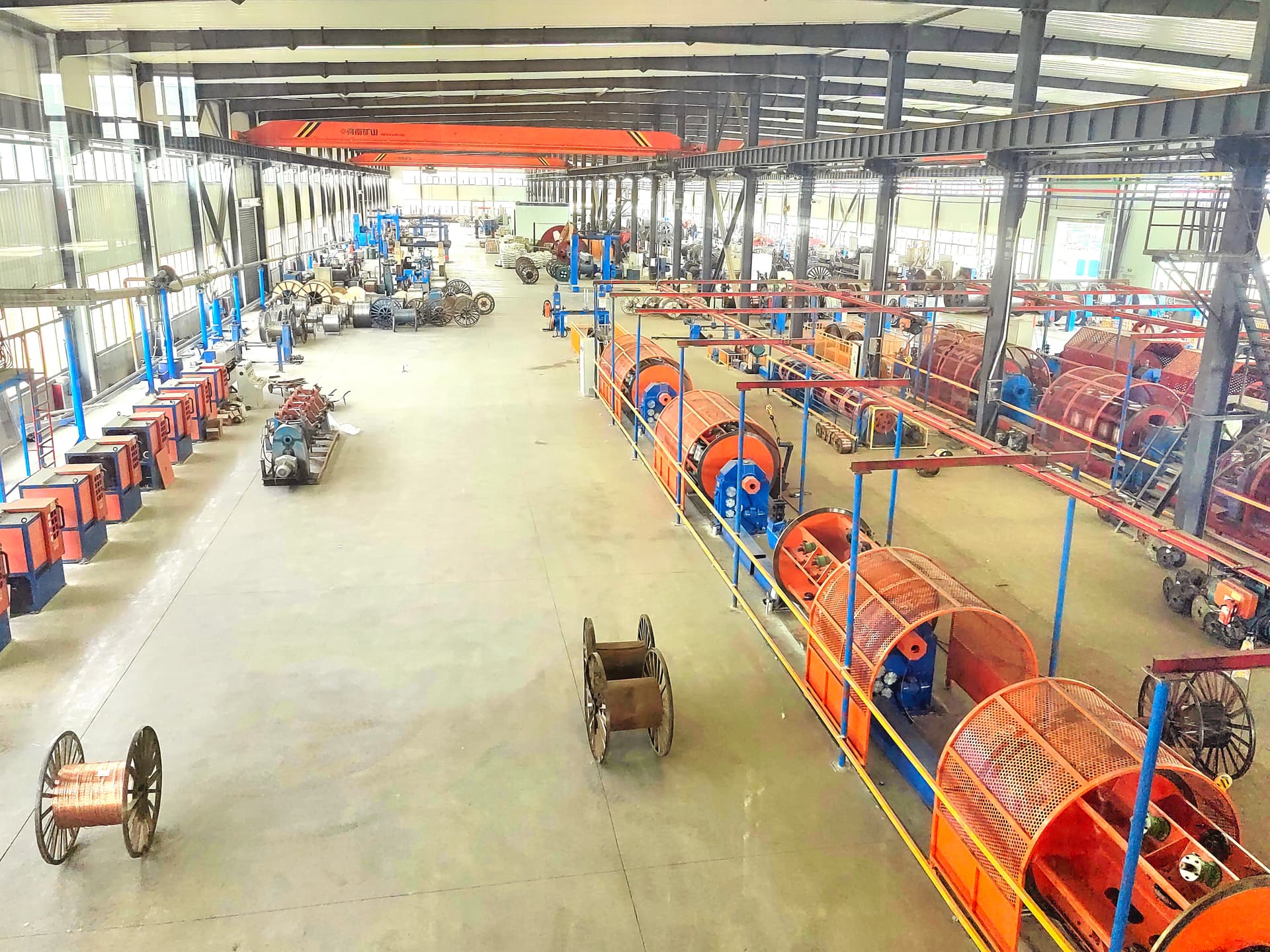
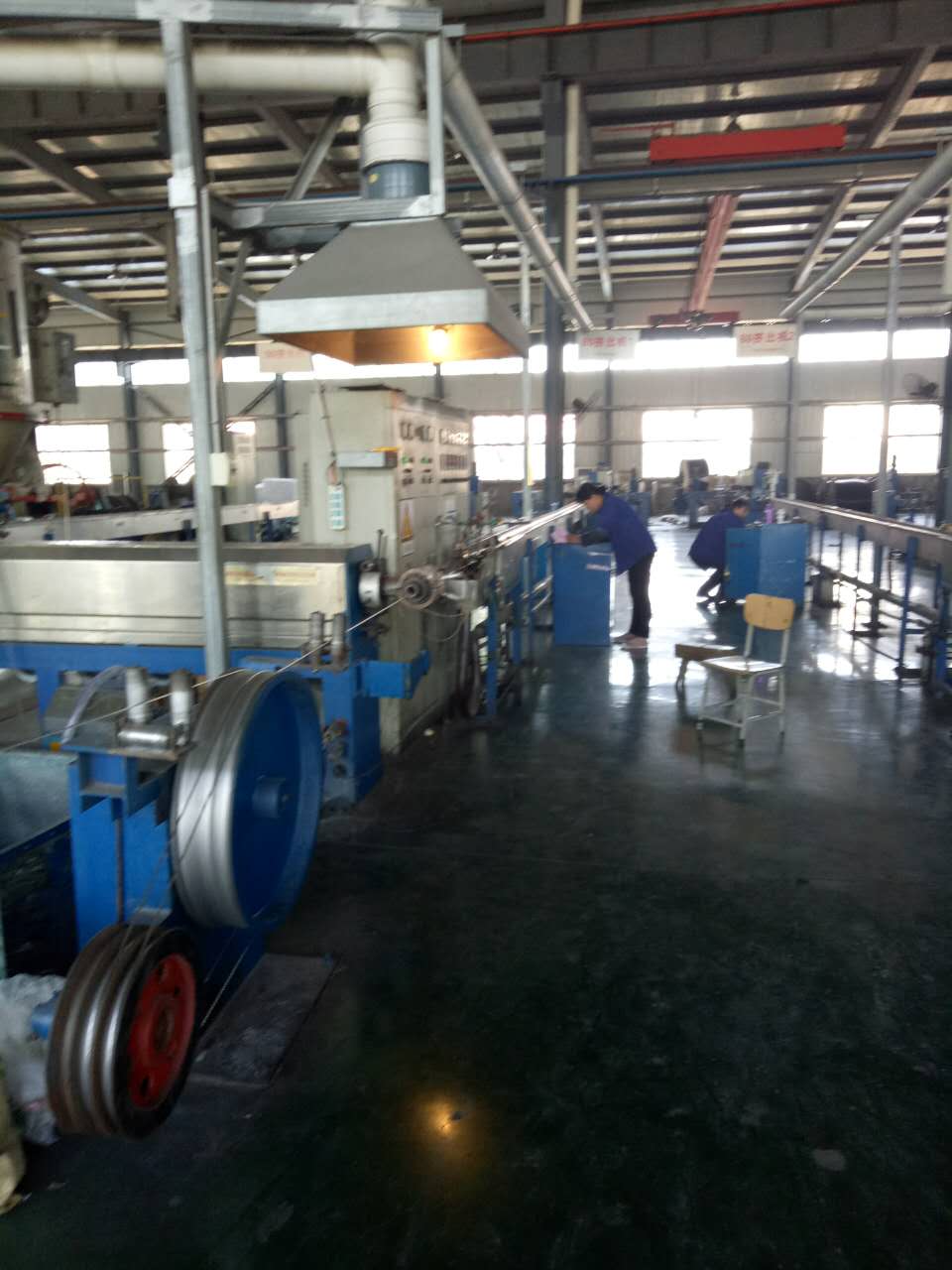
The single most important distinction is whether the company actually manufactures cable or resells it. A genuine XLPE cable factory will have:
- CCV (Catenary Continuous Vulcanisation) or VCV (Vertical Continuous Vulcanisation) lines for cross-linking the XLPE insulation — this is the core process that defines XLPE cable manufacturing
- Conductor drawing and stranding equipment — rod breakdown machines, multi-wire drawing machines, rigid/tubular stranding machines
- Armouring machines — steel wire armouring (SWA) and steel tape armouring (STA) lines
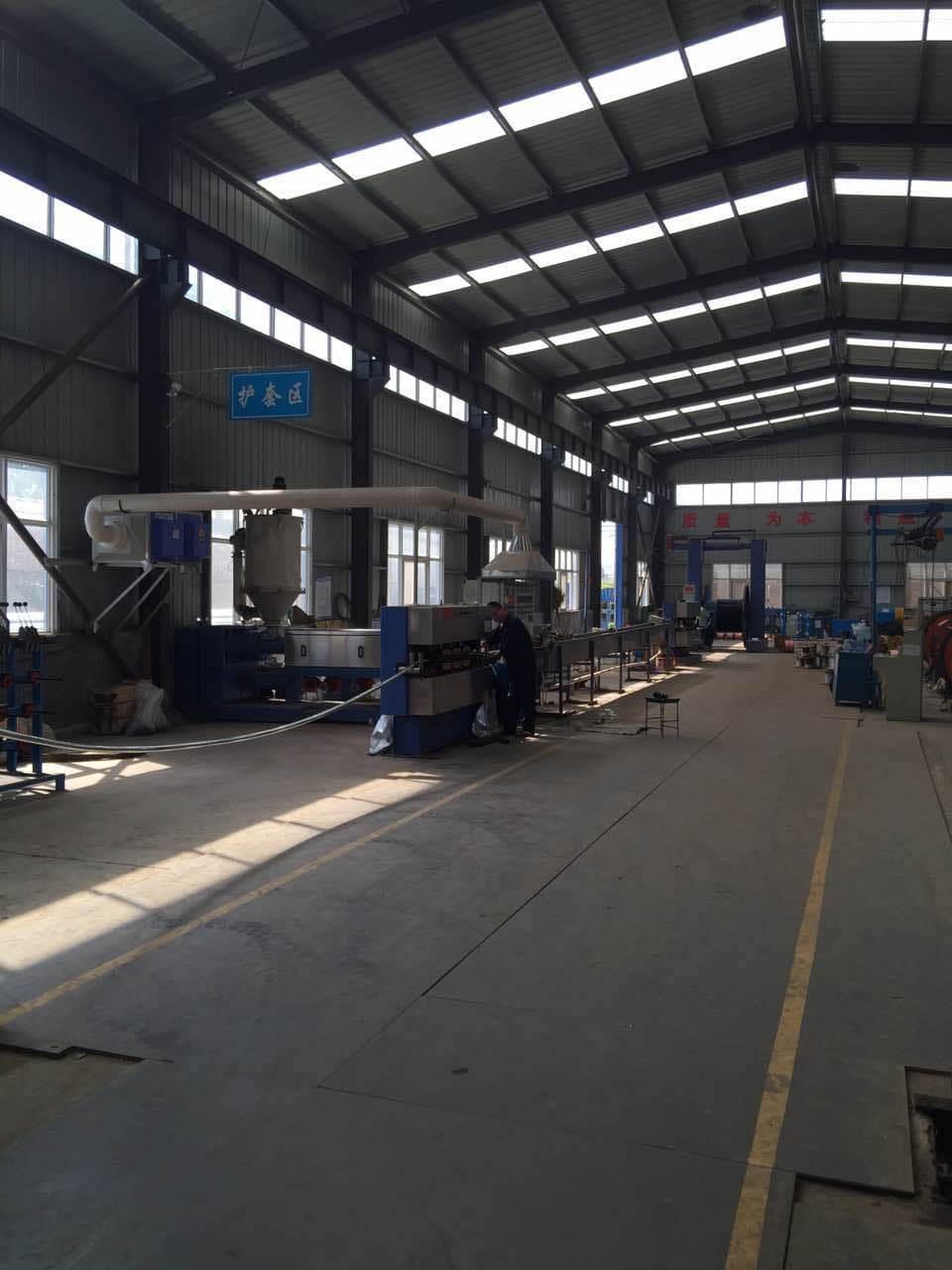
- Jacketing/sheathing extrusion lines — for PVC or LSZH outer sheaths
How to verify: Request a factory video tour showing these specific production stages. Any manufacturer that cannot show you their CCV/VCV line in operation is either a trader or a factory that outsources the critical XLPE insulation step.
2. Certifications That Actually Matter
In the cable industry, certifications are not decorative. They represent completed type testing, ongoing production audits, and third-party verification. The certifications that matter for XLPE power cable:
| Certification | What It Proves | Who Requires It |
|---|---|---|
| IEC 60502-1 | Low-voltage cable meets international electrical/mechanical standards | Most international projects |
| IEC 60502-2 | Medium-voltage cable (6–35 kV) meets international standards | Utility and industrial MV projects |
| ISO 9001 | Quality management system is in place and audited | Baseline requirement |
| ISO 14001 | Environmental management system | Some government tenders |
| KEMA (DNV) | Third-party type testing by Dutch institute — gold standard | European-spec projects, some African utilities |
| CB Certificate | IEC product certification via national certification body | Market access in CB scheme countries |
| SABS | South African Bureau of Standards | South Africa, Southern Africa region |
| SON (SONCAP) | Standards Organisation of Nigeria | Nigeria |
| KEBS | Kenya Bureau of Standards | Kenya, East Africa |
| SNI | Indonesian national standard | Indonesia |
| TIS | Thai Industrial Standard | Thailand |
Red flag: A factory that claims "ISO 9001 certified" but cannot produce certificates from IEC type testing for their specific cable designs is likely not manufacturing to the standard they advertise. ISO 9001 covers management systems, not product performance. You need both.
Related reading: Power Cable Certification Explained: IEC, KEMA, CB & ISO — What Each Certificate Actually Proves — our complete guide to understanding every type of cable certification and how to verify them.
Our certifications: We hold IEC 60502-1/2 type test reports, ISO 9001:2015, and maintain product certifications for multiple African and Asian markets. Test reports are available on request for review before order placement.
3. In-House Testing Laboratory
A cable factory's testing laboratory tells you whether they can actually verify the product they ship. Minimum equipment for XLPE cable manufacturing:
Electrical testing:
- High-voltage withstand test set (AC and DC)
- Partial discharge (PD) measurement system — critical for medium-voltage cables
- Insulation resistance test (megohm meter)
- Conductor resistance measurement (Kelvin bridge or micro-ohmmeter)
Mechanical/physical testing:
- Tensile strength and elongation testing machine (for insulation and sheath)
- Hot set test apparatus (confirms XLPE cross-linking degree)
- Ageing ovens (for thermal ageing tests)
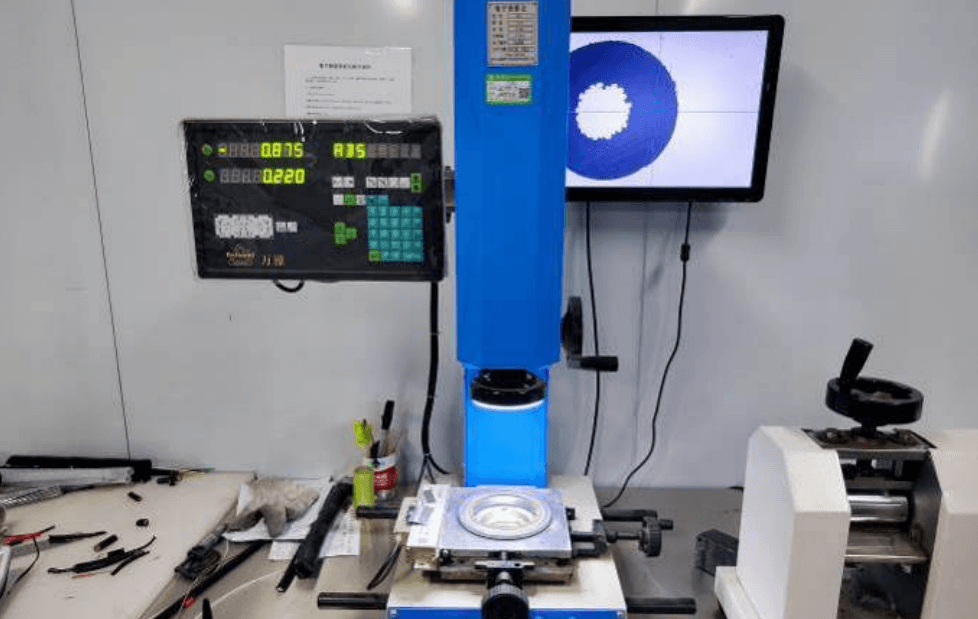
- Dimensional measurement tools (thickness gauge, micrometer, projector)
Material testing:
- Density measurement
- Melt flow index (for incoming raw material QC)
- Oxygen index tester (flame retardance)
How to verify: Ask for photos of the lab equipment with calibration stickers visible. Request a sample routine test report — it should include conductor resistance, insulation resistance, high-voltage test, and dimensional checks. If a factory cannot produce a routine test report in standard IEC format, walk away.
4. Production Capacity and Lead Time Reliability
Production capacity matters because it determines whether a factory can actually deliver your order volume within your project timeline. Key indicators:
- Annual production capacity — measured in kilometres of finished cable. A factory producing less than 5,000 km/year is likely too small for serious export orders
- Number of extrusion lines — more lines mean they can run your order alongside others without delays
- Raw material purchasing power — larger factories buy copper and aluminium at better LME-linked prices and maintain buffer stock
What to ask:
- "What is your current production schedule loading? When can my order enter production?"
- "Do you maintain copper/aluminium rod inventory, or do you purchase after receiving the order?"
- "Can you provide a production schedule with milestones after order confirmation?"
A reliable factory will give you a specific timeline based on their current workload, not a vague "15–30 days" regardless of order complexity.
5. Quality Control Process: From Raw Material to Loading
The QC process reveals whether a factory catches problems before they reach your job site. A thorough quality system covers four stages:
Stage 1: Incoming Material Inspection
- Copper/aluminium rod — check conductor diameter, resistivity, surface defects
- XLPE compound — check cross-linking properties (gel content), contamination level
- Steel wire/tape — check dimensions, tensile strength, zinc coating weight (for galvanised)
Stage 2: In-Process Control
- Conductor stranding — diameter check, lay length measurement, resistance per unit length
- Insulation extrusion — continuous monitoring of insulation thickness (eccentric check), capacitance measurement for concentricity
- Cross-linking — CCV line temperature profile monitoring, hot set test on samples
- Armouring — wire/tape tension control, coverage verification
Stage 3: Routine Testing (Every Drum)
- Conductor resistance at 20°C
- Insulation resistance
- High-voltage withstand test (3.5 kV for 0.6/1 kV cable; varies for MV)
- Dimensional verification (insulation thickness, overall diameter)
Stage 4: Pre-Shipment Inspection
- Visual inspection of drum packaging
- Drum marking verification (length, cable specification, drum number)
- Random sampling for additional electrical tests
- Third-party inspection if required (SGS, BV, Intertek)
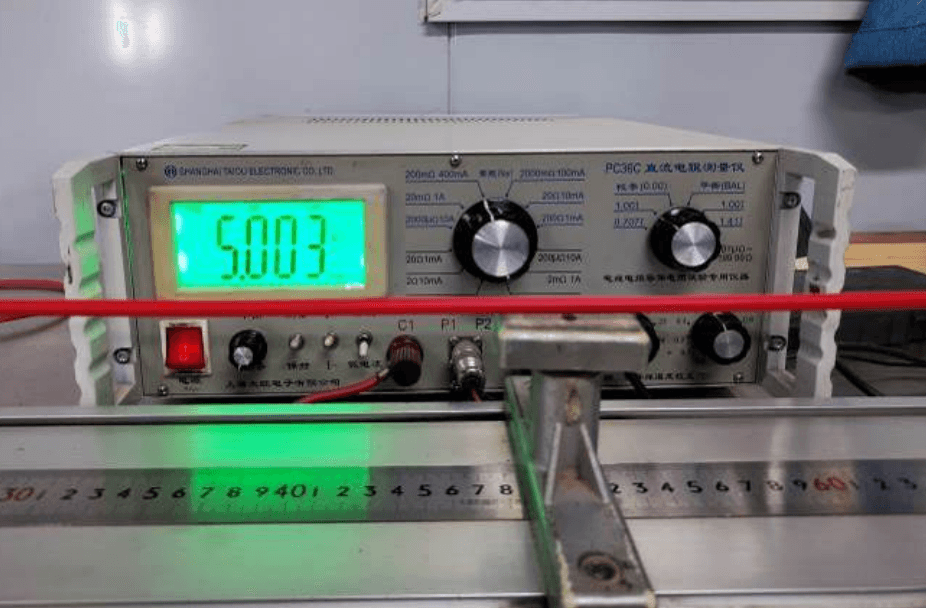
Our practice: Every cable drum that leaves our factory has a routine test report attached. For medium-voltage XLPE cable, we perform partial discharge testing on 100% of production — not sampling. Test reports are available in both Chinese and English and conform to IEC 60502 reporting format.
6. Export Track Record and Market Experience
A factory that has successfully exported to your target market understands the specific requirements that trip up inexperienced suppliers:
- Documentation format — Different countries require different certificate of conformity processes (SONCAP for Nigeria, PVOC for Kenya, etc.)
- Marking requirements — Cable print marking standards differ by market (meter marking direction, information content, language)
- Packaging for sea freight — Proper wooden drum treatment (ISPM-15 heat treatment), stretch wrapping, container loading pattern to prevent drum damage during ocean transit
- Payment terms — Experience handling Letters of Credit, understanding bank documentation requirements
Questions to ask:
- "Which countries have you exported to in the past 12 months?"
- "Can you provide references or project photos from my target market?"
- "Are you familiar with [specific country] import certification requirements?"
Our export markets: We regularly ship to Nigeria, Ghana, Kenya, Tanzania, Uganda, South Africa, Pakistan, Philippines, Indonesia, Thailand, Saudi Arabia, UAE, Iraq, and multiple South American countries. We understand the certification and documentation requirements for each market.
7. Communication and Technical Support
A factory relationship is not just about production — it involves technical discussions, specification reviews, and problem-solving. Evaluate:
- Response time — A factory that takes 3 days to reply to a technical question will take 3 weeks to resolve a production issue
- Technical competence — Can they discuss cable design parameters (insulation thickness per IEC tables, short-circuit rating calculations, derating factors) intelligently?
- English capability — Not just basic email, but ability to discuss technical specifications and resolve discrepancies in documentation
- Single point of contact — A dedicated account manager who knows your project history
Common Mistakes Buyers Make When Choosing a Chinese XLPE Cable Factory
After years of exporting, we have seen international buyers make the same costly mistakes repeatedly. Here is what to avoid:
Mistake 1: Choosing on Price Alone
The cheapest quote almost always means compromised material. Common cost-cutting tricks from low-quality factories:
- Reduced conductor cross-section — Marking "95mm²" but actually producing 85mm² or 90mm². The cable passes visual inspection but fails conductor resistance testing
- Thinner insulation — Shaving 0.1–0.2 mm from insulation thickness to save XLPE compound. The cable passes routine HV test in the factory but has reduced service life and breakdown risk in the field
- Recycled copper or CCA (copper-clad aluminium) — Appears copper on the outside but core is aluminium. Fails conductivity testing and corrodes at termination points
- Insufficient cross-linking — Rushing the CCV process to increase throughput. Hot set test will fail, meaning the insulation deforms under operating temperature
How to protect yourself: Specify in your purchase order that all materials must be new (no recycled conductor), require routine test reports per drum, and budget for third-party inspection on first orders.
Mistake 2: Not Verifying the Factory is the Actual Manufacturer
China's cable industry has a significant trading company layer. Many "suppliers" on B2B platforms do not own factories — they collect orders and subcontract to whichever factory offers the lowest price that week. Problems this causes:
- No quality control over production
- No direct accountability if defects are found
- Inconsistent product quality between orders (different subcontracted factories each time)
- Higher prices (the trader adds 5–15% margin)
How to verify: Request a video call showing the factory floor. Ask to see business registration (营业执照) matching the factory address. Check if the company has a consistent history on their website — factories have photos of their production lines, traders have stock photos.
Mistake 3: Ignoring Packaging and Logistics
Cable is heavy and bulky. A 3,000-metre drum of 4×95mm² SWA cable weighs approximately 8–10 tonnes. Improper packaging or container loading causes:
- Drum collapse during ocean transit
- Cable damage from drum shifting in container
- Moisture ingress through damaged wrapping (causes insulation degradation over time)
What to require: ISPM-15 compliant wooden drums, steel flange reinforcement for drums over 2 tonnes, proper blocking and bracing inside container, stretch wrap plus woven bag protection.
Mistake 4: Not Requesting Sample Before Bulk Order
For a first order from any new supplier, requesting a sample is non-negotiable. A sample allows you to:
- Visually inspect construction quality (conductor stranding, insulation concentricity, armour application)
- Perform independent testing at a local lab
- Verify marking, colour, and dimensional compliance with your specification
- Assess packaging quality
The cost of a 10–20 metre sample (even shipped by air) is trivial compared to the cost of rejecting a full container shipment.
Mistake 5: Unclear Specifications in the Purchase Order
Vague specifications lead to disputes. Your purchase order should explicitly state:
- Cable standard (IEC 60502-1, BS 7870, NFC 33-226, or other)
- Conductor material and class (Cu Class 2 stranded, or Al Class 2)
- Exact cross-section per core
- Voltage rating (Uo/U)
- Insulation material (XLPE)
- Armour type (SWA, STA, AWA, or unarmoured)
- Outer sheath material and colour
- Print marking content and format
- Drum length per drum
- Testing requirements (routine + any type/special tests)
Any item left unspecified will be decided by the factory — and their default may not match your project requirement.
Our XLPE Cable Manufacturing Capabilities
We operate a dedicated XLPE power cable production facility in Henan Province, China. Here is what we offer:
Product Range
| Parameter | Range |
|---|---|
| Voltage class | 0.6/1 kV, 3.8/6.6 kV, 6.35/11 kV, 8.7/15 kV, 12.7/22 kV, 19/33 kV |
| Conductor material | Copper (Class 1, Class 2) and Aluminium (Class 1, Class 2) |
| Conductor size | 1.5 mm² to 630 mm² |
| Number of cores | 1, 2, 3, 3+1, 4, 4+1, 5 |
| Insulation | XLPE (cross-linked polyethylene) |
| Armour types | Unarmoured, SWA, STA, AWA, double steel tape |
| Outer sheath | PVC (standard), LSZH (for tunnels/buildings), PE (for direct burial) |
| Standards | IEC 60502-1/2, BS 7870, NFC 33-226, SANS 1507, AS/NZS 5000.1 |
Production Equipment
- CCV extrusion line for XLPE insulation (continuous catenary vulcanisation)
- Multi-wire conductor drawing machines (copper and aluminium)
- Tubular and rigid stranding machines
- Steel wire armouring (SWA) machines
- Steel tape armouring (STA) lines
- PVC and LSZH sheathing extrusion lines
- Cable rewinding and length measurement systems
Testing Laboratory
Our in-house lab performs:
- Routine electrical testing per IEC 60502 (HV withstand, IR, conductor resistance)
- Partial discharge testing for all medium-voltage cables
- Hot set test (cross-linking verification)
- Mechanical tests (tensile, elongation, bending)
- Ageing tests (thermal ageing per IEC 60811)
- Flame retardance testing (IEC 60332)
All test equipment is calibrated annually by accredited metrology institutes.
Export Packaging
- Wooden cable drums to ISPM-15 standard (heat treated, stamp marked)
- Steel flange reinforcement for heavy drums
- PE stretch wrap + woven polypropylene outer protection
- Container loading plan provided before shipment
- Full documentation set: commercial invoice, packing list, test reports, certificate of origin, fumigation certificate
How to Start: The Sourcing Process Step by Step
If you are ready to source XLPE cable from a Chinese manufacturer, here is the efficient approach:
Step 1: Prepare Your Cable Schedule
Before contacting any factory, prepare a clear cable schedule listing:
- Each cable type and specification
- Quantity (metres or kilometres)
- Delivery location (port or site)
- Required certifications
- Project timeline
A prepared buyer gets faster, more accurate quotes — and signals to the factory that you are a serious customer worth prioritising.
Step 2: Request Quotation with Technical Review
Send your cable schedule to the factory. A capable manufacturer will:
- Respond within 24–48 hours
- Ask clarifying questions if specifications are ambiguous
- Provide a detailed quotation breaking down each line item
- Confirm they can meet your certification requirements
- Indicate estimated production timeline
Step 3: Verify the Factory
Before confirming any order:
- Request a live video call showing production
- Ask for test reports from previous production of the same cable type
- Request references from buyers in your market
- Consider a third-party factory audit (SGS, BV) for large orders
Step 4: Sample and Approval
For first-time orders:
- Request a sample length (10–20 metres) of your most critical cable specification
- Perform independent testing at a local accredited lab
- Approve the sample in writing before full production begins
Step 5: Order Confirmation and Production
Once sample is approved:
- Issue purchase order with full specifications
- Agree on payment terms (typically 30% deposit, 70% against B/L or LC at sight)
- Receive production schedule with milestones
- Arrange third-party inspection if required (during production or pre-shipment)
Step 6: Inspection, Shipping, and Documentation
Before container loading:
- Factory issues routine test reports for all drums
- Third-party inspector verifies quantity, marking, and packaging (if arranged)
- Full documentation package prepared for customs clearance at destination
Frequently Asked Questions
What is the minimum order quantity for XLPE cable from China?
Minimum order quantities vary by specification. For standard configurations (e.g., 4×95mm² Cu/XLPE/SWA/PVC 0.6/1 kV), factories can typically accommodate orders as small as one full drum. For non-standard specifications or special certifications, larger quantities may be required to justify production setup. Contact us with your specific requirements for confirmation.
How long does production take?
Production timelines depend on order volume, cable complexity, and the factory's current production schedule. Standard low-voltage XLPE cables with common specifications typically have shorter lead times than medium-voltage cables requiring special type testing. We provide specific production schedules after reviewing your cable schedule.
Can you produce to BS, NFC, or SANS standards instead of IEC?
Yes. Our production lines are designed to manufacture XLPE cable compliant with multiple international standards including IEC 60502, BS 7870, NFC 33-226, and SANS 1507. The key differences between standards lie in dimensional tables, test parameters, and marking requirements — our engineering team adjusts production parameters accordingly.
Do you accept third-party inspection?
Absolutely. We welcome inspection by SGS, Bureau Veritas, Intertek, TÜV, or any other internationally recognized inspection body. We also accept buyer's own representatives at our facility during production and testing. Inspection costs are typically borne by the buyer.
What payment terms do you offer?
We work with T/T (telegraphic transfer), Letter of Credit (L/C at sight), and negotiable terms for repeat customers. For first orders, standard terms are 30% advance payment with balance against copy of bill of lading or before shipment, depending on the arrangement.
How do I verify your factory is real?
We invite all prospective buyers to:
- Schedule a live video tour of our production facility
- Visit our factory in person (we arrange pickup from Zhengzhou airport or train station)
- Request our business registration, production licenses, and certification documents
- Contact our existing customers for references
Ready to Source XLPE Cable from a Verified Chinese Manufacturer?
Whether you need 0.6/1 kV distribution cable for a housing project, 11 kV feeder cable for a substation, or 33 kV transmission cable for utility infrastructure — we manufacture the full range at our Henan facility and export worldwide.
Explore our XLPE cable range: XLPE Power Cable (YJV) — Full Specifications & Sizes →
Next steps:
- Request FOB Quote → — Send your cable schedule and get a detailed quotation within 48 hours
- Get Sample & Datasheet → — Request product samples and technical datasheets for your specification
- Request Factory Audit → — Schedule a video tour or arrange third-party factory inspection
We respond to all enquiries within 24 hours. Include your cable specification, quantity, destination port, and required certifications for the fastest response.