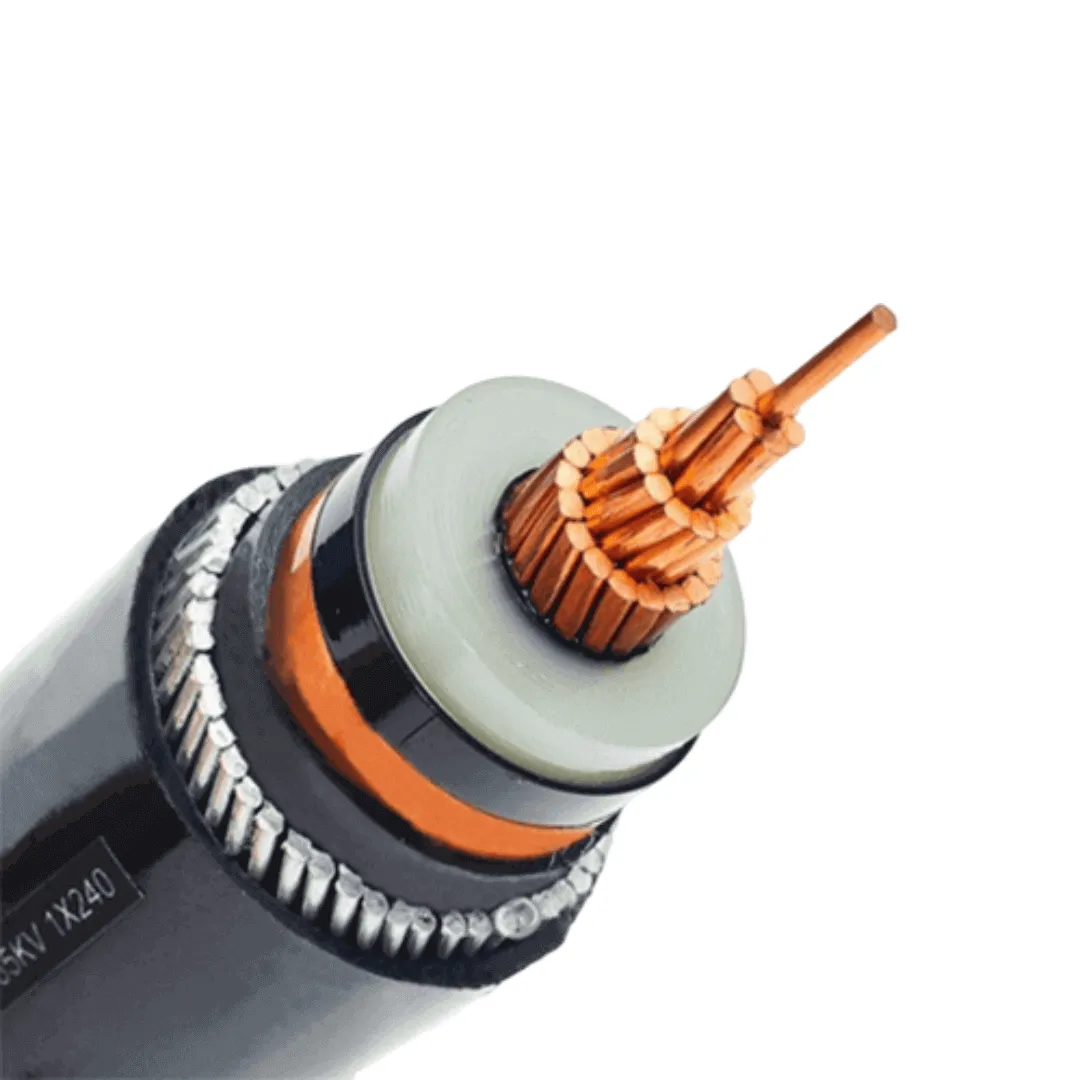
Key Takeaway
Complete guide to power cable certifications: IEC 60502, KEMA type test, CB Scheme, ISO 9001/14001, and regional marks (SABS, BIS, NOM). Learn what each certificate proves, how to verify authenticity, and which ones your project actually requires.
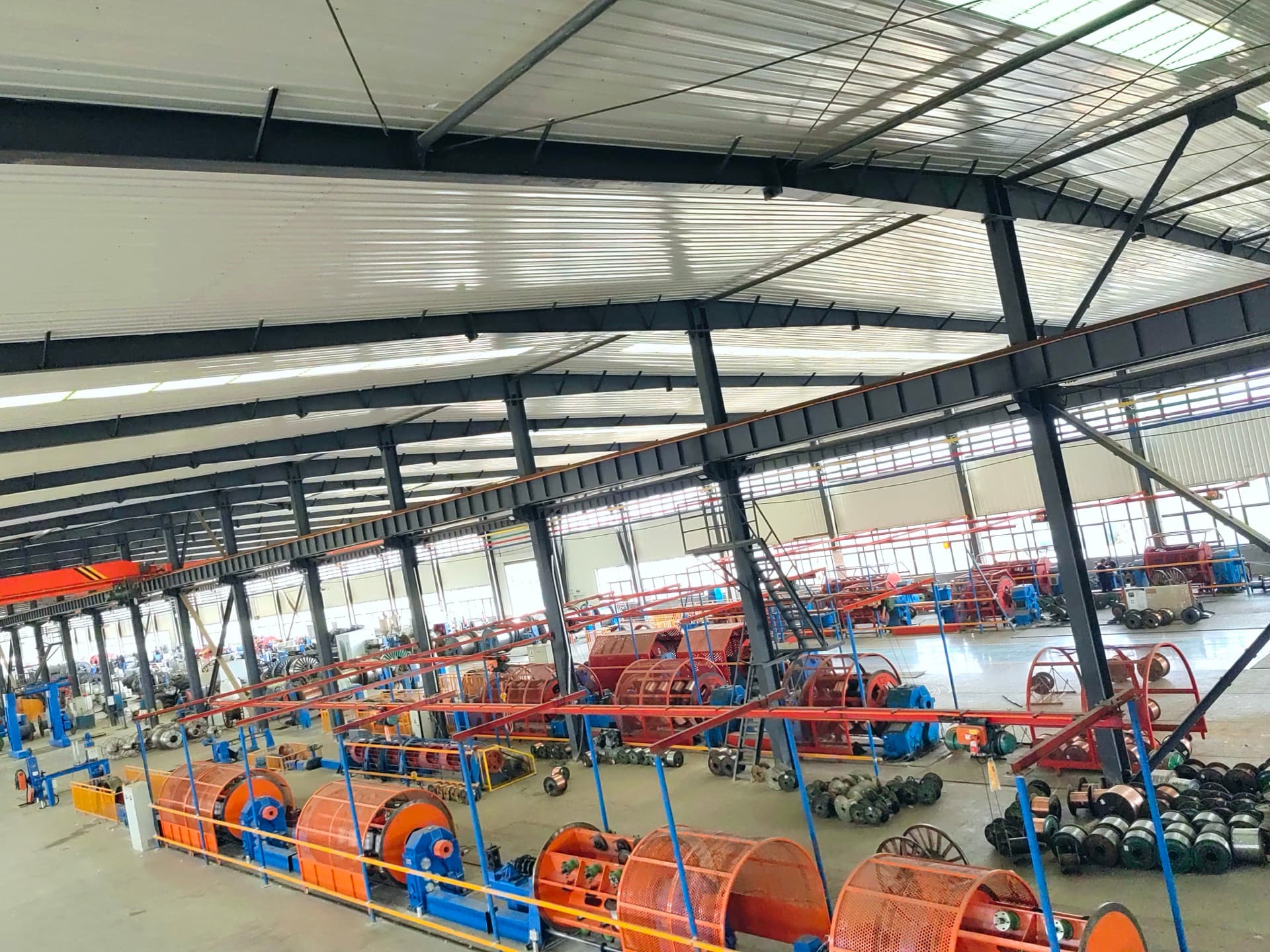
You receive a quotation from a Chinese cable manufacturer. Attached: a stack of certificates — IEC, ISO, KEMA, CB, CCC, and half a dozen logos you have never seen before. The price is right. The specs match. But one question stops you from placing the order:
Are these certificates real, and do they actually prove the cable will perform in my project?
This guide breaks down every major cable certification you will encounter when sourcing power cables internationally. We explain what each certificate tests, what it proves, what it does NOT prove, and — critically — how to verify whether the document in front of you is genuine.
We write this as a manufacturer. Our factory in Henan, China holds IEC type test reports from accredited laboratories, ISO 9001/14001 certification, CCC marks, and product-specific certifications for multiple export markets. We know what it takes to earn these certifications, what they cost, and what they actually demonstrate about a factory's capability.
Why Cable Certification Matters for International Procurement
Cable failure in an installed power system is catastrophic. Unlike a defective consumer product that can be returned, a faulty power cable buried underground or installed in a building causes:
- Safety hazards — fire, electrocution, arc flash
- Project delays — weeks to months for replacement and re-installation
- Financial loss — cable cost is typically 3–5% of total project value, but failure can destroy 100% of that investment
- Regulatory rejection — utility companies and building inspectors will refuse to energize systems with non-compliant cables
Certification exists to prevent these outcomes. But not all certifications prove the same things, and some certificates that look impressive prove almost nothing about the cable you will actually receive.
The Certification Hierarchy
Think of cable certifications in three tiers:
Tier 1 — Product Performance Certifications (cable-specific)
- Type test reports (IEC 60502, IEC 60228, etc.)
- KEMA/DNV third-party test reports
- CB Scheme test certificates
- National marks (SABS, BIS, NOM, BASEC)
Tier 2 — Management System Certifications (factory-wide)
- ISO 9001 (quality management)
- ISO 14001 (environmental management)
- ISO 45001 (occupational health & safety)
Tier 3 — Self-Declarations and Marketing Certifications
- CCC (China Compulsory Certification — required for domestic China sales)
- CE marking (self-declaration in most cable cases)
- Various "honour" certificates from trade associations
The critical distinction: Tier 1 certifications test the actual product. Tier 2 certifications audit the management system. Tier 3 may prove neither.
Tier 1: Product Performance Certifications
These are the certifications that matter most. They prove that a specific cable construction has been tested against an international or national standard — and passed.
IEC Type Test Reports (IEC 60502-1 / IEC 60502-2)
What it is: A laboratory test report confirming that cable samples passed all type tests specified in the relevant IEC standard.
What IEC 60502 covers:
IEC 60502-1 applies to cables rated 0.6/1 kV (low voltage). IEC 60502-2 covers 6/10 kV to 18/30 kV (medium voltage). The type tests include:
| Test Category | What It Proves | IEC 60502-1 Tests | IEC 60502-2 Tests |
|---|---|---|---|
| Electrical | Insulation integrity | AC voltage withstand (4U₀ + 2kV, 4 hours per IEC 60502-1) | AC voltage withstand (varies by rated voltage) |
| Electrical | No partial discharge | Not required for LV | Partial discharge ≤ 10 pC at 1.73 U₀ (per IEC 60502-2 Clause 18) |
| Electrical | Conductor resistance | Meets IEC 60228 Class 1/2 tables | Meets IEC 60228 Class 1/2 tables |
| Thermal | Long-term aging | Aging at 135°C (XLPE) for 240h | Aging at 135°C (XLPE) for 240h |
| Mechanical | Bending resistance | Bending test at low temperature | Bending test at low temperature |
| Mechanical | Impact resistance | Impact test at specified low temperature | Impact test at specified temperature |
| Fire | Flame propagation | IEC 60332-1 (single cable) | IEC 60332-1 (single cable) |
| Water | Moisture resistance | Hot water immersion + voltage test | Water penetration test (longitudinal) |
What it proves:
- The cable construction (specific materials, dimensions, layer thicknesses) meets the standard
- The insulation and sheath materials pass aging, mechanical, and electrical stress tests
- The conductor size delivers the specified resistance values
What it does NOT prove:
- That every meter of cable shipped to you is identical to the tested sample
- That the factory still uses the same materials 2 years after the test
- That the cable meets any standard OTHER than the one tested
How to verify authenticity:
- Check the testing laboratory — The report should come from an ISO/IEC 17025 accredited lab. Major ones: KEMA (DNV), CESI (Italy), IPH Berlin, ASTA (UK), National Wire Products Testing Laboratory (China)
- Match the cable specification — The report covers a SPECIFIC construction. If the report says "3×95mm² Cu/XLPE/SWA/PVC 0.6/1kV" but you are buying 3×240mm², that report does not apply to your order
- Check the date — Type tests do not expire technically, but a report older than 5 years should prompt questions about whether materials or processes have changed
- Request the full report, not just the certificate page — A genuine type test report is 20–80 pages long with detailed measurements. A single-page "certificate" is not a type test report
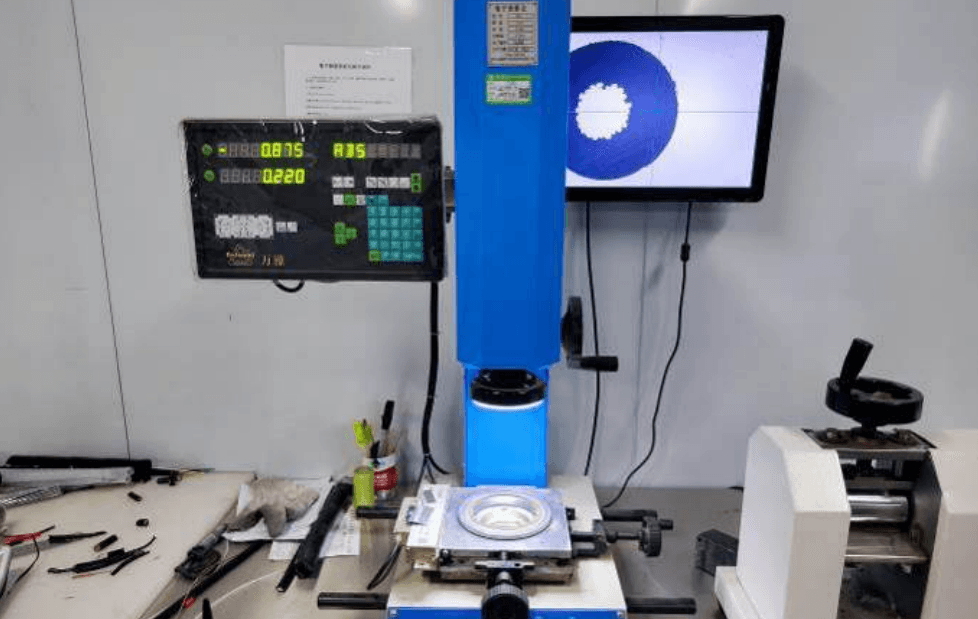
KEMA / DNV Type Test Reports
What it is: A type test performed by KEMA laboratories (now part of DNV). KEMA is the world's most recognised independent cable testing facility, headquartered in Arnhem, Netherlands.
Why KEMA specifically matters:
KEMA reports carry extra weight because:
- Independence — KEMA has no commercial relationship with cable manufacturers beyond testing services
- Reputation — Utility companies and EPC contractors worldwide recognise KEMA reports without additional verification
- Rigour — KEMA's testing protocols often exceed minimum IEC requirements (tighter tolerances, additional measurements)
- Traceability — Every KEMA report is registered in their database and can be verified by contacting DNV directly
Cost reality: A full KEMA type test for a medium-voltage cable range costs €50,000–€150,000 (depending on voltage range and cable constructions tested) and takes 3–6 months. This is why not every factory has one — it represents a serious investment that only makes sense for manufacturers with consistent export volume.
How to verify a KEMA report:
- Contact DNV Energy directly and provide the report number
- Check that the cable specification on the report matches what you are buying
- Verify that the manufacturer name on the report matches the factory quoting you (not a different entity)
IECEE CB Scheme Test Certificates
What it is: A mutual recognition scheme among over 50 member countries. A CB test certificate issued in one member country is accepted in all other member countries without re-testing.
How it works for cables:
- A cable manufacturer submits samples to a CB Testing Laboratory (CBTL)
- The CBTL performs tests according to the relevant IEC standard
- If passed, the National Certification Body (NCB) issues a CB Test Certificate
- The certificate + test report can be used to obtain national certifications in other CB member countries
What it proves:
- The cable passed IEC-standard testing at an accredited lab
- The certificate is recognised across all CB member countries
- You can use it to fast-track national certifications (e.g., get SABS mark in South Africa using CB certificate without full re-testing)
What it does NOT prove:
- The CB certificate is NOT a product mark — it does not go on the cable
- It does not replace national mandatory certifications (some countries still require local testing)
- It covers only the tested construction — same limitation as any type test
Key CB member countries for cable exports:
| Region | Countries Accepting CB Certificates |
|---|---|
| Africa | South Africa, Kenya, Nigeria, Egypt, Tanzania |
| Middle East | UAE, Saudi Arabia, Qatar, Oman, Kuwait |
| Southeast Asia | Thailand, Malaysia, Indonesia, Philippines, Vietnam |
| South America | Brazil, Argentina, Colombia, Chile |
| Europe | All EU/EFTA member states |
Practical tip for buyers: If your project is in a CB member country, ask the manufacturer for a CB certificate rather than requiring them to obtain a local national mark. This saves 3–6 months and significant cost, which ultimately comes out of the cable price.
National / Regional Certification Marks
Some markets require their own product certification mark — a type test alone is not enough. These marks confirm that the cable has been tested against the national standard (which is often based on IEC but with local amendments) and the factory is subject to ongoing surveillance audits.
Major national cable certification marks:
| Mark | Country/Region | Standard Basis | What It Requires | Surveillance |
|---|---|---|---|---|
| SABS | South Africa | SANS 1507 / IEC 60502 | Product test + factory audit | Annual factory visit + market sampling |
| BIS (ISI) | India | IS 7098 (based on IEC 60502) | Product test + factory audit | Quarterly factory inspection |
| NOM | Mexico | NMX-J-010 | Lab testing + Certification body audit | Annual |
| BASEC | UK (voluntary) | BS 7870 / BS 5467 | Extensive product testing + annual surveillance | Quarterly factory audit + random sampling |
| TSE | Turkey | TS (based on IEC) | Product test + factory assessment | Annual surveillance |
| SASO/SABER | Saudi Arabia | SASO 2050 (based on IEC) | CoC + product test or CB certificate | Shipment-based verification |
| PVOC | Kenya, Uganda, Tanzania | KS (based on IEC) | Pre-shipment inspection + CoC | Per-shipment |
Critical insight for buyers:
Not all projects require national marks. The requirement depends on:
- Utility projects — Almost always require the national mark or equivalent (SABS for South Africa, BIS for India)
- Private industrial projects — Often accept IEC type test reports + CB certificates without a national mark
- EPC contractor specifications — The tender document dictates what is required. Read it carefully
Common mistake: Requiring a SABS mark for a private solar farm in South Africa when the project specification only calls for IEC 60502 compliance. The national mark adds 4–6 months to procurement timeline and €20,000–€40,000 to cost, which may not be necessary for your specific project.
Tier 2: Management System Certifications
ISO 9001:2015 (Quality Management System)
What it is: Certification that the factory operates a documented quality management system covering design, production, testing, and delivery.
What it proves:
- The factory has documented procedures for raw material inspection, in-process testing, and final quality control
- There is a system for handling nonconformities, customer complaints, and corrective actions
- Management reviews quality objectives and resource allocation periodically
- Internal audits are conducted to verify system effectiveness
What it does NOT prove:
- That the cables are good quality
- That specific products meet IEC standards
- That the quality system is actually followed on the shop floor (surveillance audits happen 1–2 times per year)
Reality check: ISO 9001 is a minimum threshold. A factory WITHOUT ISO 9001 in 2026 is a red flag — it means they either cannot afford the audit (question their scale) or cannot pass it (question their processes). But having it does not differentiate a factory from thousands of others.
How to verify:
- Check the certificate issuer — recognised certification bodies include SGS, TÜV, Bureau Veritas, DNV, BSI, and UL
- Verify on the certification body's online directory (most have public databases)
- Check accreditation — the certification body itself must be accredited by a national accreditation body (e.g., UKAS, CNAS, DAkkS)
⚠️ Red flag: "ISO 9001" certificates from unknown bodies that are not accredited by any IAF (International Accreditation Forum) member. These can be purchased without a real audit.
ISO 14001:2015 (Environmental Management System)
What it proves: The factory manages environmental impacts — waste disposal, emissions, energy use, chemical handling — according to a documented system.
Relevance to cable buyers: Increasingly required in tender pre-qualification documents, especially for:
- European-funded infrastructure projects
- World Bank / ADB / AfDB financed projects
- Projects with ESG reporting requirements
Practical impact: An ISO 14001 certified factory is more likely to properly dispose of XLPE scrap, manage lead-free sheath compounds, and comply with RoHS/REACH where applicable.
ISO 45001:2018 (Occupational Health & Safety)
What it proves: Workplace safety management system is in place.
Relevance to cable buyers: Required in some project pre-qualification tenders. Less relevant to the quality of cable you receive, but indicates factory management maturity. Utility tenders normally ask for delivered evidence too — our global project references cover Kenya, Botswana, Vietnam, and Bangladesh.
Tier 3: Self-Declarations and Market-Entry Marks
CCC (China Compulsory Certification)
What it is: A mandatory safety mark required to sell specific products within China's domestic market.
Relevance to export buyers: Minimal. CCC is required for the Chinese domestic market, not for export. However, it does indicate that:
- The factory has passed a domestic product safety assessment
- China's CNCA (Certification and Accreditation Administration) has registered the factory
Key point: A factory that makes cables for export only may not hold CCC for all products — this is normal and NOT a red flag. CCC applies to domestic sales categories.
CE Marking (Europe)
What it is: For most power cables, CE marking is a self-declaration by the manufacturer that the product meets the EU Construction Products Regulation (CPR) requirements, specifically for fire performance (EN 50575).
What it proves:
- The cable has been classified for fire performance (Euroclass: Aca, B1ca, B2ca, Cca, Dca, Eca, Fca)
- The manufacturer has a Declaration of Performance (DoP) on file
- For classes B1ca through Dca: testing by a notified body is required
What it does NOT prove:
- Electrical performance (CE does not cover IEC 60502 electrical tests for power cables)
- That the cable meets any specific national installation standard
For buyers outside Europe: CE marking on a power cable being shipped to Africa or the Middle East is largely irrelevant. It proves fire classification only, not electrical performance.
Trade Association "Honour" Certificates
What they are: Certificates from Chinese trade associations, provincial government quality awards, "Top 100 Cable Enterprise" awards, etc.
What they prove: Nothing about product quality. These are often obtained through industry association membership fees and self-submitted production volume data.
Rule of thumb: If you cannot verify the certificate by contacting an independent third party, it has zero procurement value.
How to Verify Cable Certificates Are Genuine
Certificate fraud is a real problem in the cable industry. Here are specific methods to verify each type:
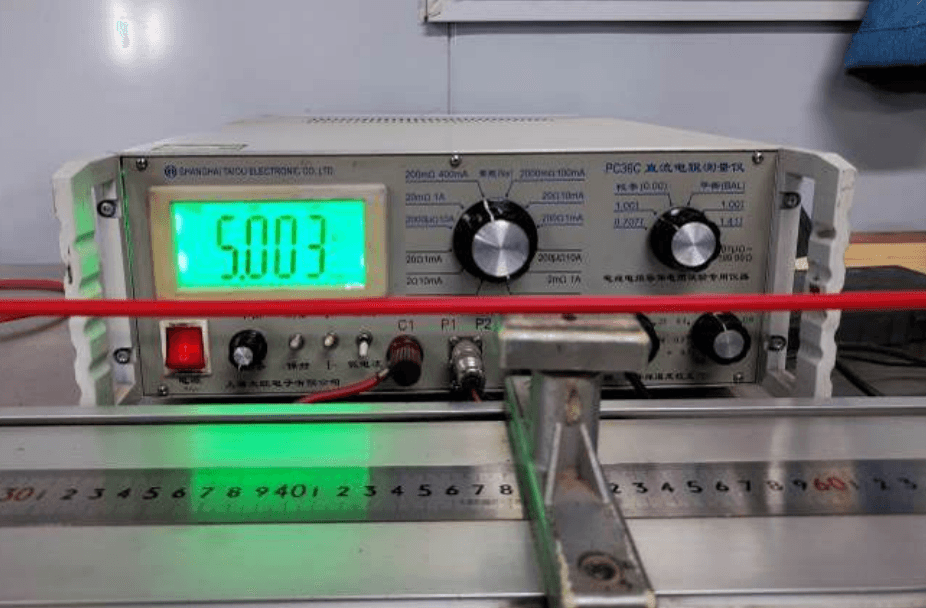
Verification Methods by Certificate Type
IEC Type Test Reports:
- Contact the testing laboratory directly with the report number
- Ask for the laboratory's ISO/IEC 17025 accreditation scope — confirm it covers "power cable testing"
- Check that the laboratory is listed in the ILAC (International Laboratory Accreditation Cooperation) database
- Request the FULL report (not just the cover page) — genuine reports include raw measurement data across 20–80 pages
KEMA/DNV Reports:
- Email: energy.certification@dnv.com with the report number
- All genuine KEMA reports have a unique identifier format (e.g., "KEMA [number] dated [date]")
- DNV maintains a verification service for all active certificates
CB Test Certificates:
- Verify via the IECEE CB-FCS (Full Certification Scheme) online database: www.iecee.org
- Enter the certificate number — it must appear in the public database
- Check that the NCB (National Certification Body) issuing the certificate is listed as active
ISO Management System Certificates:
- SGS: www.sgs.com/en/certified-clients-and-products
- TÜV SÜD: www.tuvsud.com/en/services/certification
- Bureau Veritas: certification.bureauveritas.com
- BSI: www.bsigroup.com/en-GB/validate-bsi-issued-certificates
- CNAS accredited bodies: www.cnas.org.cn
National Marks (SABS, BIS, etc.):
- SABS: Contact SABS directly or check the SABS Mark holder directory
- BIS: Check the BIS website's licensee directory (bis.gov.in)
- Most national bodies maintain public databases of certified products
5 Red Flags That a Certificate May Be Fraudulent
| Red Flag | What to Check | Why It Matters |
|---|---|---|
| Single-page "certificate" only | Ask for full test report (20+ pages) | Real type tests produce detailed measurement data |
| Report covers different cable specs | Match cable description on report vs your order exactly | Factories often show reports for different constructions |
| Testing lab has no ISO/IEC 17025 | Check ILAC database for lab accreditation | Non-accredited labs may accept payment for favourable results |
| ISO certificate from unknown body | Verify certification body is IAF-accredited | Non-accredited bodies sell certificates without real audits |
| Certificate date > 5 years old | Ask if materials/processes have changed since test date | Factories may have switched to cheaper materials after certification |
The "Sample vs Production" Problem
This is the most common certification gap that catches international buyers:
A type test report proves that a specific set of samples passed testing at a specific point in time. It does NOT guarantee that:
- The factory uses the same XLPE compound supplier today
- Insulation thickness is maintained at the tested values during regular production
- The same copper rod source provides the same conductor resistance values
How to bridge this gap:
- Request routine test reports for YOUR order — Every cable reel should have a routine test report (voltage withstand + conductor resistance at minimum)
- Specify third-party inspection — Companies like SGS, Bureau Veritas, and TÜV can inspect cable production during manufacturing and before shipment
- Request dimension verification — Ask for caliper measurements of insulation thickness, overall diameter, and conductor diameter on the actual cable being produced
- Include factory audit rights in your contract — The right to visit (or send a third-party auditor) during production
Which Certifications Does Your Project Actually Need?
Not every project requires every certification. Over-specifying wastes money and time. Under-specifying creates risk. Here is a practical framework:
By Project Type
Utility / Grid Infrastructure Project:
- ✅ REQUIRED: Type test report to the relevant IEC standard
- ✅ REQUIRED: National mark if specified by the utility (SABS, BIS, etc.)
- ✅ REQUIRED: ISO 9001 (minimum pre-qualification)
- ⬜ RECOMMENDED: KEMA report (for medium voltage)
- ⬜ RECOMMENDED: Third-party pre-shipment inspection
Private Industrial / Commercial Project:
- ✅ REQUIRED: Type test report to IEC 60502 or local equivalent
- ✅ REQUIRED: ISO 9001
- ⬜ RECOMMENDED: CB certificate (simplifies local acceptance)
- ⬜ OPTIONAL: National mark (check your project specification)
Renewable Energy (Solar/Wind Farm):
- ✅ REQUIRED: Type test to IEC 60502 or project-specified standard
- ✅ REQUIRED: ISO 9001, often ISO 14001
- ⬜ RECOMMENDED: CB certificate
- ⬜ OPTIONAL: KEMA for MV collector cables
Mining / Oil & Gas:
- ✅ REQUIRED: Type test + SPECIFIC fire performance testing (IEC 60332-3)
- ✅ REQUIRED: ISO 9001, ISO 45001
- ⬜ REQUIRED: MSHA certification (for US mines)
- ⬜ RECOMMENDED: Third-party manufacturing surveillance
By Destination Country
| Country | Mandatory Mark | Standard | Timeline to Obtain |
|---|---|---|---|
| South Africa | SABS | SANS 1507 | 6–12 months |
| India | BIS/ISI | IS 7098 | 6–12 months |
| Saudi Arabia | SASO CoC | SASO 2050 | 2–4 weeks per shipment |
| Kenya/Uganda/Tanzania | PVOC | KS (IEC-based) | 1–2 weeks per shipment |
| UK | None mandatory (BASEC voluntary) | BS 7870/BS 5467 | 3–6 months |
| Nigeria | SONCAP | NIS (IEC-based) | 2–4 weeks per shipment |
| Mexico | NOM | NMX-J-010 | 6–12 months |
| Turkey | TSE | TS (IEC-based) | 4–8 months |
| UAE | ESMA / QCC | UAE.S (IEC-based) | 3–6 months |
| Australia | Voluntary (SAA) | AS/NZS 1429 | 6–12 months |
Key insight: Many countries (Saudi, Kenya, Nigeria) use per-shipment verification rather than product certification marks. This means you do not need the manufacturer to hold a standing certification — you arrange conformity assessment at the time of shipment. This dramatically reduces lead time for first orders.
Routine Tests vs Type Tests: What Buyers Need to Know
Understanding this distinction prevents 90% of certification confusion:
Type Tests (done ONCE per cable design)
- Performed on samples of a new cable construction
- Covers ALL tests in the standard (electrical, thermal, mechanical, fire, water)
- Done at an external accredited laboratory
- Takes 3–6 months
- Cost: €15,000–€150,000 depending on voltage class
- Results valid indefinitely (as long as design and materials unchanged)
Routine Tests (done on EVERY manufacturing length)
- Performed in the factory's own testing lab on every reel/drum
- Covers only: high-voltage withstand test + conductor resistance measurement
- Done before cable leaves the factory
- Takes hours per drum
- Cost: included in manufacturing cost
- Results specific to YOUR order
Sample Tests (done on agreed frequency)
- Performed periodically (e.g., every 10th production batch)
- Covers a subset of type tests (e.g., hot set test for XLPE, tensile strength for conductors)
- Done in factory lab
- Verifies ongoing material consistency
What to request for your order:
- Type test report (confirms the design meets the standard)
- Routine test reports for every drum shipped (confirms YOUR cable passed basic electrical tests)
- Material certificates (copper rod mill certificate, XLPE compound batch certificate)
- Dimension check report (caliper measurements on production cable)
How Our Factory Handles Certification
We believe in transparency about what we hold and what it means:
Our current certifications:
- IEC 60502-1 type test reports for LV cable range (0.6/1 kV, Cu and Al, 1.5mm²–630mm²)
- IEC 60502-2 type test reports for MV cable range (8.7/15 kV, 12/20 kV, 18/30 kV)
- IEC 60228 conductor compliance (verified in type test reports)
- ISO 9001:2015 — certified by [accredited body], scope covers design and manufacture of power cables
- ISO 14001:2015 — environmental management certification
- CCC for domestic market product categories
What we provide with every export order:
- Factory routine test report for each drum/reel
- Conductor resistance measurements (verified against IEC 60228 tables)
- Insulation resistance test results
- High-voltage withstand test results (AC or DC per standard requirements)
- Material certificates upon request (copper mill cert, XLPE batch cert)
What we offer for buyers requiring additional assurance:
- Third-party inspection coordination (SGS, Bureau Veritas, TÜV — buyer chooses and pays)
- Factory visit arrangements (including video call factory tours for buyers who cannot travel)
- CB certificate applications (timeline: 3–4 months from sample submission)
- National mark applications (we hold SABS for key product ranges; other markets available on project basis)
Frequently Asked Questions
Can I trust a Chinese cable factory's certificates?
Trust but verify. The certificate itself is not the issue — the question is whether it was issued by an accredited, independent body and whether it covers the specific cable you are buying. Use the verification methods in this guide. Chinese factories that invest in genuine KEMA or CB certifications (€50,000–€150,000 per product range) have strong economic incentive to maintain quality — they cannot afford to lose that certification.
What is the difference between a type test and a routine test?
A type test is comprehensive (all electrical, thermal, mechanical, and fire tests per the full IEC standard) and is done once when a cable design is introduced. A routine test is basic (voltage withstand + conductor resistance) and is done on every manufacturing length before shipment. You need both: type test proves the design is sound, routine test proves your specific cable is properly manufactured. For a deep dive into exactly what each test measures, how to read the numbers, and when to require third-party testing, see our complete cable testing guide.
My project specification requires KEMA certification. Does that mean the factory needs KEMA?
It means the cable design must have been type-tested at KEMA (DNV) laboratories. The factory does not become "KEMA certified" — they hold a KEMA type test report for specific cable constructions. Ask the factory which of their cable ranges have KEMA type test reports and whether the report covers the exact specification you need.
Is ISO 9001 enough to prove cable quality?
No. ISO 9001 proves that a quality management SYSTEM exists. It does not test the cable product. A factory can have ISO 9001 and still produce substandard cables if the system is poorly implemented between surveillance audits. ISO 9001 is a necessary minimum but not sufficient. Always require product-specific type test reports in addition.
How do I know if a test laboratory is legitimate?
Check two things: (1) The lab must hold ISO/IEC 17025 accreditation, and (2) that accreditation must be granted by an ILAC MRA signatory (the International Laboratory Accreditation Cooperation mutual recognition arrangement). If both conditions are met, the lab's results are recognised internationally.
Do certificates expire?
Management system certificates (ISO 9001, etc.) expire and require re-certification every 3 years with annual surveillance audits. Product type test reports do not technically expire, but utility companies and major contractors often require reports less than 5 years old. If the manufacturer has changed materials, tooling, or processes since the type test, the report may no longer be valid even if the date is recent.
What should I do if the factory cannot provide a certificate I need?
Options: (1) Accept IEC type test report + CB certificate as alternative evidence of compliance. (2) Ask the factory to apply for the specific certification — but budget 4–12 months and factor the cost into pricing. (3) Arrange third-party inspection during manufacturing as a substitute for product certification. (4) Consider whether your project specification truly requires that specific mark, or whether equivalent evidence is acceptable.
Related Guides & Sourcing
Verify quality & compare suppliers:
- Power Cable Quality Testing: Methods & Standards
- Prysmian vs Chinese Manufacturers: Same IEC Standard, 30%+ Cheaper
- 5 Common Scams When Buying Cable from China
Move to sourcing:
- How to Import Cable from China: 7-Step Buyer's Guide
- XLPE Power Cable Manufacturer Guide
- Solar DC Cable Sizing: PV1-F Current Rating & EN 50618 Certification
Key Takeaways for Cable Procurement Teams
- Type test reports matter most — They prove the actual cable design meets IEC standards through rigorous testing
- Match certificate to specification — A type test report for 3×95mm² does not cover your 3×240mm² order
- Verify independently — Contact the issuing lab or certification body directly. Never trust a PDF alone
- ISO 9001 is necessary but not sufficient — It proves process exists, not product quality
- National marks add time and cost — Only require them when your project specification mandates them
- Routine tests bridge the gap — Demand routine test reports for every drum shipped to you
- Third-party inspection is your insurance — When ordering from any new supplier (Chinese or otherwise), budget for SGS/BV/TÜV inspection on the first order
Need cable with verified certifications for your project? Contact our team with your project specification — we will confirm exactly which certifications we hold for your required cable type and arrange any additional testing or inspection you need.