Key Takeaway
MSHA certified mining cable from China factory: SHD-GC, Type W, Type G trailing cables. IEC 60502, AS/NZS 1802, ICEA S-75-381 compliant. Underground & open-pit mining. Get quote.
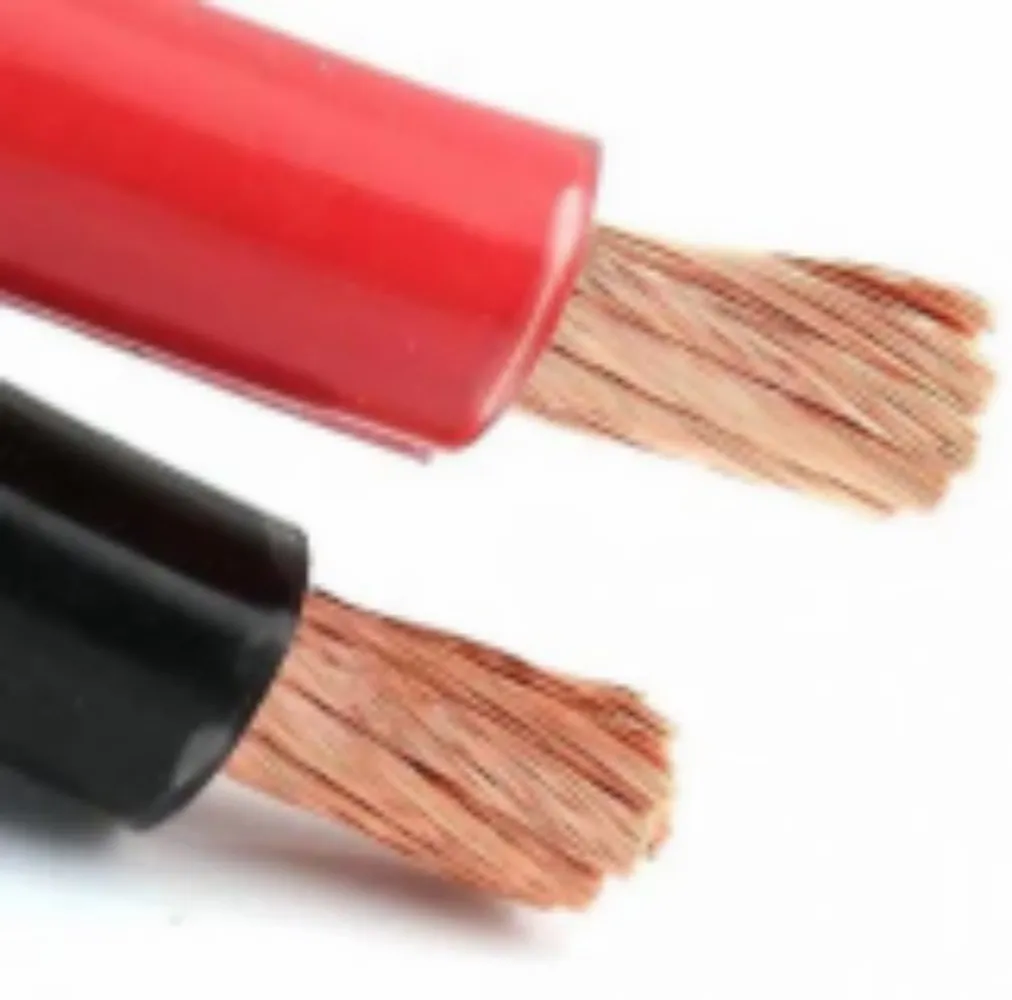
China Cable Factory manufactures MSHA-certified mining cables — including SHD-GC, Type W, and Type G trailing cables — for underground and open-pit operations worldwide. Our rubber-sheathed mining cables are built to ICEA S-75-381, IEC 60502, and AS/NZS 1802, with voltage ratings from 2kV to 35kV and factory-direct pricing for project buyers.
Mining operations demand cables that survive what would destroy ordinary industrial wiring — constant flexing over sheaves, dragging across abrasive rock faces, exposure to oil and cutting fluids, mechanical impact from falling debris, and electrical stresses from high-inrush motor starts in confined underground environments.
Mining cable is not a commodity product where the cheapest option wins. It is safety-critical infrastructure where cable failure can mean production shutdown, equipment damage, or — in the worst case — fire and arc flash in a confined space with limited escape routes. That reality is why mining cable standards (MSHA in the US, AS/NZS 1802 in Australia, IEC 60502 internationally) impose some of the most stringent construction, testing, and certification requirements in the entire cable industry.
For procurement managers, mining companies, and EPC contractors sourcing mining cables for projects worldwide, buying factory-direct from a certified Chinese manufacturer offers a compelling proposition: access to the same internationally certified cable constructions at significantly lower cost, with production capacity to handle large project orders on short lead times.
This guide covers the complete range of mining cable types, their specifications, applicable standards and certifications, selection criteria for different mining applications, and what to look for when evaluating a Chinese mining cable supplier.
Mining Cable Types — Complete Overview
Mining cables are classified by their construction, voltage rating, flexibility, and intended service. The primary types you will encounter in specifications and procurement documents:
SHD-GC Cable (Shielded, Heavy-Duty, Ground Check)
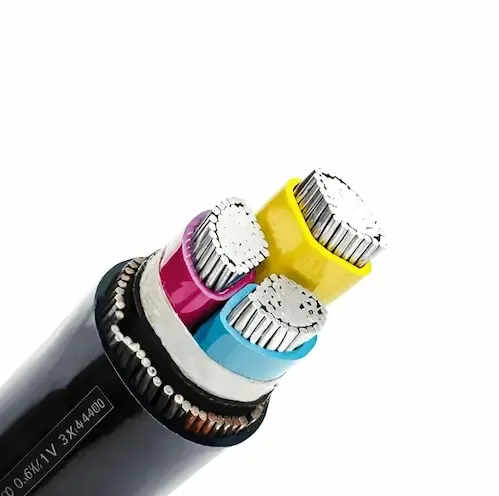
The gold standard for portable power cables in underground mining. SHD-GC cables are designed for trailing cable service on mobile mining equipment — continuous miners, shuttle cars, roof bolters, and loading machines.
Key features:
- Individually shielded power conductors — each phase conductor has its own semi-conductive shield and copper tape or wire screen
- Ground check conductor — a small insulated conductor that enables continuous ground continuity monitoring; if the grounding conductor is damaged, the ground check circuit opens and trips the breaker before a fault can endanger personnel
- Heavy-duty rubber jacket — chloroprene (Neoprene) or CPE outer sheath rated for severe mechanical abuse
- Voltage ratings: 5kV, 8kV, 15kV, and 25kV (U₀/U configurations)
- Conductor sizes: 6 AWG to 4/0 AWG (typical), up to 500 kcmil for high-ampacity applications
Construction (inside out):
- Flexible copper conductor (Class K or Class M, extra-flexible stranding)
- Strand fill (semi-conductive compound preventing moisture migration)
- Conductor insulation (EPR — Ethylene Propylene Rubber)
- Conductor shield (semi-conductive tape + copper tape/wire screen)
- Ground conductors (typically 3 grounding conductors rated at 50% of phase conductor area)
- Ground check conductor (small gauge, insulated)
- Fillers and binder tape
- Overall jacket (heavy-duty CPE or Neoprene, minimum 80 mil thickness)
Applicable standards: ICEA S-75-381/NEMA WC 58, MSHA 30 CFR Part 18
Type W Mining Cable
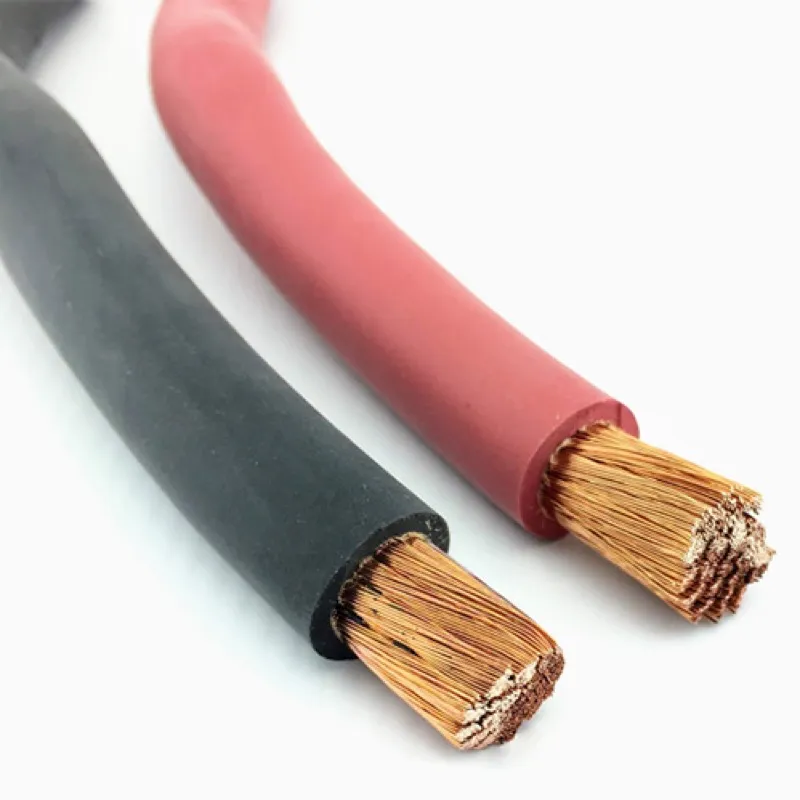
A versatile portable power and control cable rated at 2000V (2kV). Type W is the workhorse cable for surface mining operations, quarries, and construction sites where portable power distribution is needed. Its heavy rubber sheathed construction makes it ideal for repeated handling and coiling.
Key features:
- Rated voltage: 2000V
- Unshielded — no individual conductor shielding (unlike SHD-GC)
- Heavy-duty jacket: Thermoset rubber (EPDM, Neoprene, or CPE)
- Highly flexible for frequent handling, coiling, and reeling
- Multi-conductor configurations: 1 to 5 power conductors plus grounding
Typical applications:
- Portable substations and power distribution units
- Dragline power feeds (large cross-sections)
- Shovel trailing cables
- Portable crusher and conveyor power
- Surface mining equipment connections
Applicable standards: UL 1650, ICEA S-95-658/NEMA WC 70, CSA C22.2 No. 96
Type G and Type G-GC Mining Cable
Type G is similar to Type W but includes an integral grounding conductor. Type G-GC adds the ground check conductor for monitoring. These are commonly specified for equipment where the cable must serve as both the power feed and the equipment grounding path.
Key features:
- Rated voltage: 2000V
- Integral grounding conductors — sized per NEC Table 400.4 requirements
- Ground check conductor (G-GC version) for continuous monitoring
- Round construction — all conductors cabled together with fillers for round cross-section
Applicable standards: UL 1650, ICEA S-95-658
Type SHD (Shielded Heavy-Duty) — Without Ground Check
Same construction as SHD-GC minus the ground check conductor. Used where ground continuity monitoring is provided by other means or where regulations permit operation without continuous ground check.
Reeling and Trailing Cables (IEC Standard)
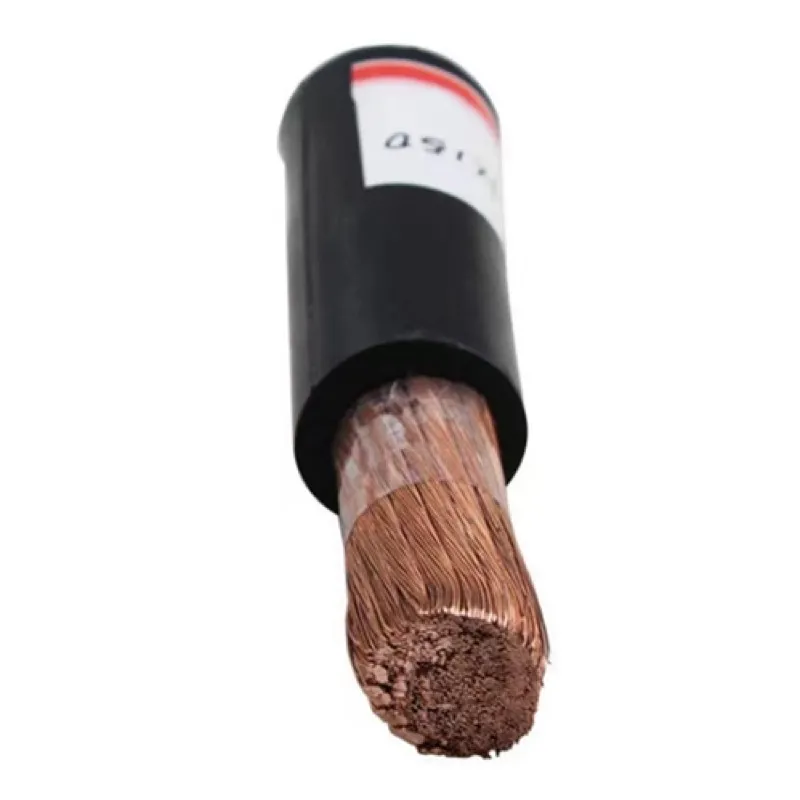
Outside North America, mining cables are typically specified to IEC standards. IEC 60502 covers the general cable construction, while IEC/AS 1802 (Australian) provides specific requirements for mining applications.
Key types:
- Trailing cables (fixed installation): Connected to mobile equipment but not actively reeled — dragged along the mine floor
- Reeling cables: Wound onto cable reels (drum reeling systems) on draglines, bucket-wheel excavators, and ship loaders. Require extreme flexibility and fatigue resistance.
- Coupler cables: Short flexible cables with plug/socket connectors for equipment interconnection
Voltage ratings (IEC): 0.6/1kV, 1.9/3.3kV, 3.6/6kV, 6.35/11kV, 8.7/15kV, 12/20kV, 19/33kV
Applicable standards: IEC 60502, AS/NZS 1802, AS/NZS 2802
Specifications and Construction Details
Conductor
Mining cables use extra-flexible conductors to withstand repeated bending over sheaves, reeling onto drums, and general mechanical handling:
| Conductor Class | Description | Typical Use |
|---|---|---|
| Class 5 (IEC 60228) | Flexible stranded | General trailing cables |
| Class 6 (IEC 60228) | Extra-flexible | Reeling cables, high-flex applications |
| Class K (ASTM) | Flexible rope-lay | SHD-GC and Type W cables |
| Class M (ASTM) | Extra-flexible rope-lay | Reeling and dragline cables |
Conductor material: Tinned copper is standard for mining cables. Tinning prevents copper oxidation at strand interfaces, reducing resistance increase over the cable's service life and improving solderability at termination points.
Insulation
Mining cable insulation must withstand high operating temperatures, mechanical abuse, and exposure to oils and mining chemicals:
| Insulation Type | Max Temp | Key Properties | Application |
|---|---|---|---|
| EPR (Ethylene Propylene Rubber) | 90°C | Excellent flexibility, ozone resistance, long life | Primary choice for MV mining cables |
| XLPE (Cross-linked Polyethylene) | 90°C | Higher dielectric strength, moisture resistance | Alternative for fixed mining installations (XLPE cable details) |
| HEPR (Hard EPR) | 90°C | Improved cut-through resistance | High-abuse trailing cable service |
| Silicone rubber | 180°C | Extreme temperature resistance | Smelter and furnace proximity cables |
Shielding (Medium Voltage Cables)
For mining cables rated above 2kV, individual conductor shielding is mandatory (per MSHA requirements for underground use):
- Conductor screen: Semi-conductive layer applied directly over insulation
- Metallic shield: Copper tape (helically applied, minimum 10% overlap) or copper wire braid/serve
- Function: Confines the electric field within the insulation, enables safe fault detection, prevents partial discharge at the insulation surface
Jacket / Outer Sheath
The jacket is the cable's first line of defense against the mining environment:
| Jacket Material | Properties | Best For |
|---|---|---|
| CPE (Chlorinated Polyethylene) | Oil resistant, flame retardant, good abrasion | Underground mining (preferred for MSHA) |
| Neoprene (CR) | Excellent mechanical strength, weather resistant | Surface mining, outdoor |
| HOFR (Heat, Oil, Flame Resistant) | Combined protection | Australian mining specification |
| PCP (Polychloroprene) | Same as Neoprene, IEC terminology | IEC-specified mining cables |
| TPU (Thermoplastic Polyurethane) | Superior abrasion and cut resistance | Severe drag applications |
Jacket thickness: Mining cable jackets are significantly thicker than standard industrial cable jackets. MSHA requires minimum 80 mil (2.03mm) wall thickness for cables up to 1.5" diameter, increasing to 95 mil (2.41mm) for larger cables.
Voltage Ratings and Selection
Selecting the correct voltage rating is critical for mining cable safety. The cable must be rated for the system voltage plus adequate safety margin:
North American Voltage Classes (MSHA/ICEA)
| Cable Voltage Rating | System Voltage (Phase-to-Phase) | Typical Application |
|---|---|---|
| 2kV (Type W/G) | Up to 1000V | LV equipment, portable power |
| 5kV (SHD-GC) | Up to 4160V | Underground continuous miners |
| 8kV (SHD-GC) | Up to 6900V | Medium equipment, shuttle cars |
| 15kV (SHD-GC) | Up to 13,200V | Large equipment, longwall systems |
| 25kV (SHD-GC) | Up to 23,000V | Draglines, large shovels |
IEC/Australian Voltage Classes
| Cable Rating (U₀/U) | Maximum System Voltage (Um) | Typical Application |
|---|---|---|
| 0.6/1kV | 1.2kV | Low voltage distribution |
| 1.9/3.3kV | 3.6kV | Underground LV equipment |
| 3.6/6kV | 7.2kV | Medium equipment |
| 6.35/11kV | 12kV | High-voltage trailing |
| 8.7/15kV | 17.5kV | Large mobile plant |
| 12/20kV | 24kV | Dragline power |
| 19/33kV | 36kV | Shovel and dragline |
Voltage Selection Rule
Always select a cable voltage rating that exceeds the maximum system voltage by at least one standard step. For example, a 6.6kV system should use cables rated 6.35/11kV (not 3.6/6kV) to provide adequate safety margin for transient overvoltages common in mining power systems.
Standards and Certifications
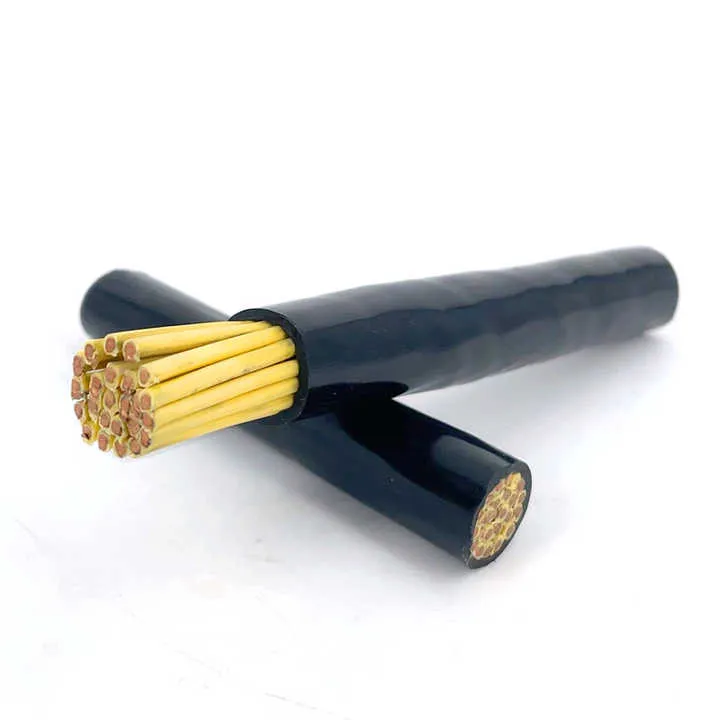
MSHA (Mine Safety and Health Administration) — United States
MSHA certification under 30 CFR Part 18 is mandatory for all electrical cables used in underground coal mines in the United States. Key requirements:
- Flame test: Cable must self-extinguish within a specified time when subjected to a Bunsen burner flame test per MSHA 2G schedule
- Jacket marking: Cables must be permanently marked with MSHA approval number (e.g., "MSHA-P-XX-XXXX")
- Construction approval: Manufacturer must submit detailed construction drawings and test data to MSHA for approval before production
- Ongoing surveillance: MSHA conducts periodic factory audits and sample testing
Important note: MSHA approval is specific to each cable construction. If you modify conductor size, insulation thickness, or jacket compound, re-approval is required.
ICEA S-75-381 / NEMA WC 58
The industry standard for portable and power feeder cables for mines. Covers:
- Conductor requirements (stranding, tinning)
- Insulation requirements (EPR or equivalent, thickness, electrical tests)
- Shielding requirements
- Jacket requirements (material, thickness, mechanical tests)
- Electrical testing (AC withstand, insulation resistance, partial discharge)
- Mechanical testing (cold bend, impact, crush, abrasion)
IEC 60502 — International Standard
Covers general construction requirements for power cables with extruded insulation. Mining cables manufactured to IEC 60502 are accepted in most international markets outside North America.
AS/NZS 1802 — Australian/New Zealand Standard
Specifically covers electric cables for underground mining:
- Trailing cables for face equipment
- Reeling cables for draglines and excavators
- Flexible cables for mining use
AS/NZS 1802 includes unique requirements for:
- Earthing conductor sizing — minimum 50% of phase conductor area
- Pilot/earth continuity conductor — equivalent to MSHA ground check
- HOFR (Heat, Oil, Flame Resistant) jacket — specific compound requirements
- Marking — cable must show mine cable type, voltage, and applicable standard
AS/NZS 2802 — Reeling Cables
Specifically for cables used in reeling (drum winding) applications:
- Enhanced flexibility requirements
- Fatigue testing (repeated bending over specified radius)
- Torsion resistance
- Additional jacket abrasion requirements
IEC 60332 — Flame Retardancy
All mining cables must pass flame retardancy testing:
- IEC 60332-1: Single cable vertical flame test (routine for all mining cables)
- IEC 60332-3 Category A: Bundled cable vertical tray test (for cables grouped in shafts or rises)
Applications by Mining Method
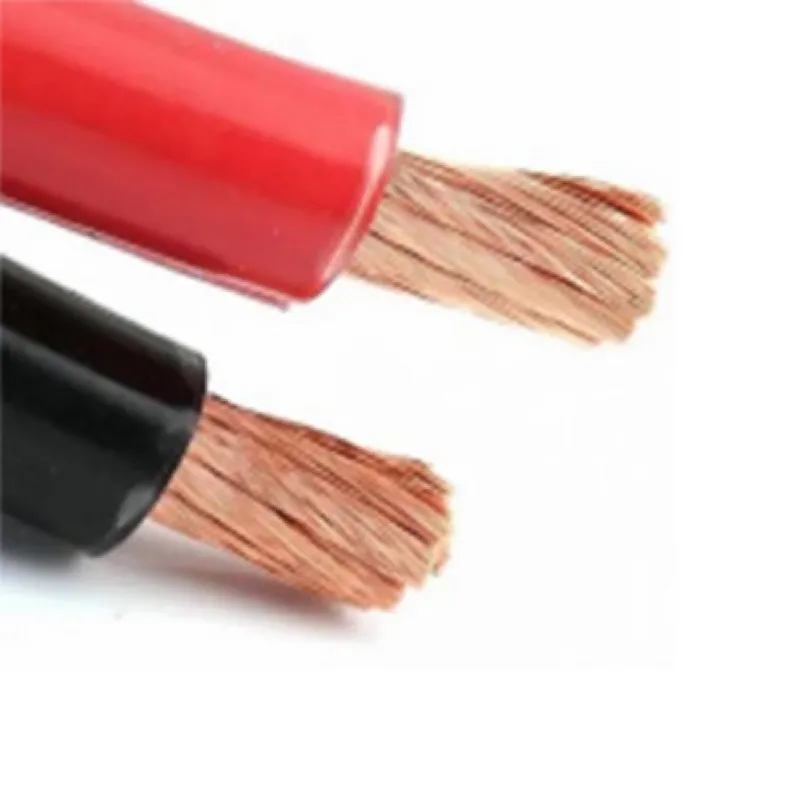
Underground Coal Mining
The most demanding application for mining cables. Equipment operates in confined, gassy environments where any cable fault could ignite methane:
Equipment served:
- Continuous miners — SHD-GC, 5kV or 8kV, typically 2/0 AWG to 4/0 AWG
- Shuttle cars — SHD-GC, 5kV, typically 6 AWG to 2 AWG
- Roof bolters — SHD-GC, 5kV, typically 6 AWG to 1 AWG
- Longwall shearer — SHD-GC, 5kV to 15kV, large cross-sections
- Feeder cables — SHD or Type W, connecting power centers to distribution boxes
Special requirements:
- MSHA flame test certification mandatory
- Ground check monitoring mandatory
- Individual conductor shielding mandatory above 660V
- Cables must not propagate flame in methane-air atmospheres
Underground Hard Rock Mining
Similar to coal mining but without methane explosion risk. Cables must still handle extreme mechanical abuse:
Equipment served:
- Load-haul-dump (LHD) units — trailing cables, 1kV to 6.6kV
- Jumbo drills — trailing cables, 1kV
- Raise bore machines — power cables, 6.6kV to 11kV
- Ventilation fans — fixed installation power cables
Special requirements:
- Extreme abrasion resistance (cable dragged over broken rock)
- Oil and hydraulic fluid resistance
- Ability to withstand crushing from vehicle traffic
Open-Pit Mining
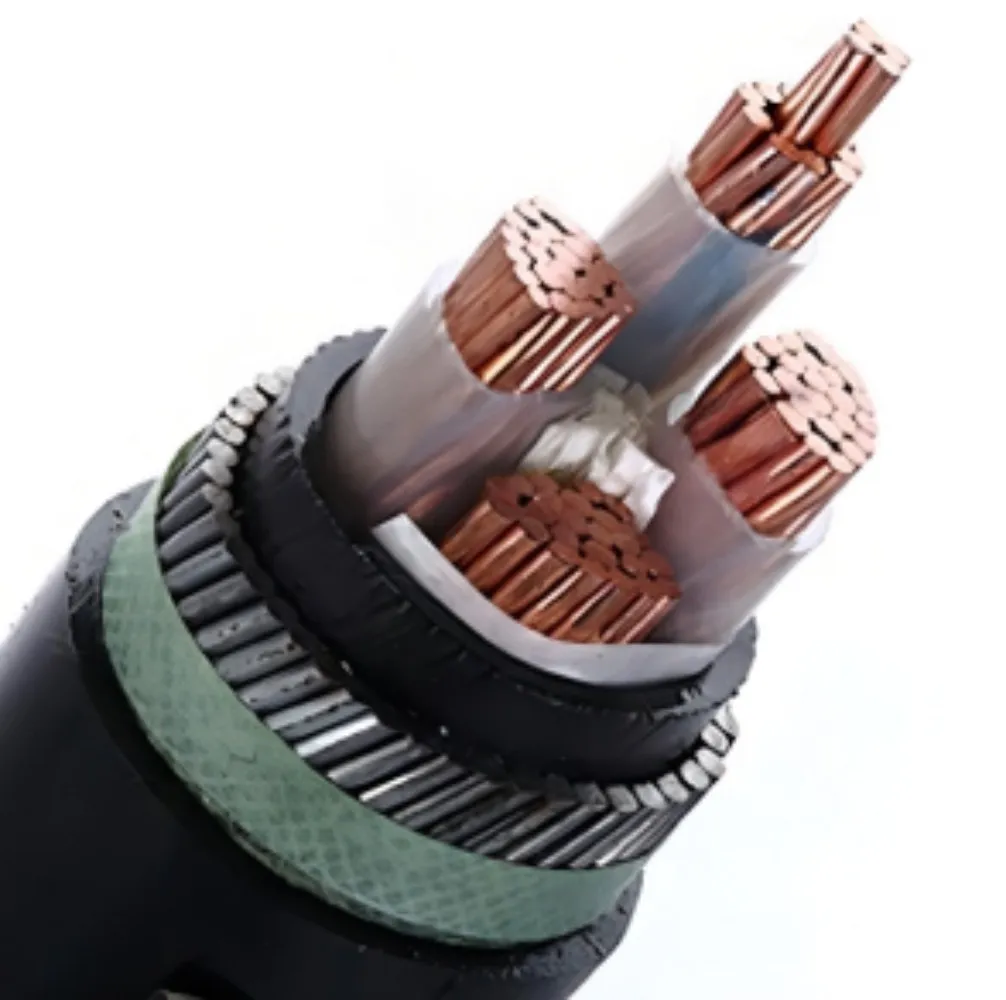
Surface mining uses the largest mining cables in terms of conductor cross-section and voltage rating:
Equipment served:
- Electric draglines — trailing/reeling cables, 15kV to 33kV, conductors up to 500 kcmil or 300mm²
- Electric rope shovels — trailing cables, 6.6kV to 25kV
- Mobile crushers — Type W or trailing cable, 6.6kV to 11kV
- Conveyor drives — fixed or semi-portable power cables
- Portable substations — Type W interconnection cables, 2kV to 15kV
Special requirements:
- UV resistance (outdoor exposure)
- Wide temperature range (-40°C to +60°C ambient in some regions)
- Extreme flexibility for reeling applications
- High mechanical strength for long trailing distances
Shaft Mining
Vertical cables in mine shafts face unique challenges:
Applications:
- Shaft power supply — armoured power cables, vertically suspended
- Winder/hoist power — high-voltage cables to winding motors
- Shaft communication — instrumentation and fiber optic cables
- Pump power — submersible pump cables in shaft sumps
Special requirements:
- Self-supporting construction for vertical suspension
- Steel wire armour for mechanical support and protection
- Fire retardancy (IEC 60332-3 Category A for shaft installations)
Cable Selection Guide for Mining Applications
Choosing the right mining cable involves balancing multiple factors. Use this decision framework:
Step 1: Identify the Regulatory Environment
| Region | Primary Standard | Certification Required |
|---|---|---|
| United States (underground coal) | MSHA 30 CFR Part 18 | MSHA approval number |
| United States (surface/metal) | ICEA S-75-381, OSHA | MSHA or UL listing |
| Australia | AS/NZS 1802 / 2802 | Type tested per standard |
| South Africa | SANS 1507, SANS 1577 | SABS approval |
| International (other) | IEC 60502 | Type test report |
| Canada | CSA C22.2 No. 96 | CSA certification |
Step 2: Determine Cable Type
| Application | Voltage ≤ 2kV | Voltage > 2kV |
|---|---|---|
| Surface portable power | Type W or Type G | Type SHD or SHD-GC |
| Underground trailing | Type G-GC | SHD-GC (mandatory shielding) |
| Reeling / drum winding | Reeling cable (Class 6/M) | Reeling cable (Class 6/M) |
| Fixed underground | Type W or armoured | Armoured MV cable |
| Shaft vertical | Steel wire armoured | Steel wire armoured |
Step 3: Size the Conductor
Conductor sizing for mining cables must account for:
- Full-load current of the connected equipment
- Voltage drop — mining cables often run long distances; 5% maximum voltage drop is typical design limit
- Short-circuit withstand — conductor must handle available fault current for relay clearing time
- Motor starting current — mining motors draw 6-8× full-load current on start; voltage drop during starting must not prevent successful motor acceleration
- Ambient temperature derating — underground mines are typically 30-40°C; surface desert mines may exceed 50°C ambient
Step 4: Specify Jacket Requirements
| Environment | Recommended Jacket |
|---|---|
| General underground | CPE (standard for MSHA) |
| Oil-contaminated areas | CPE or Neoprene (oil resistant grades) |
| Surface, high UV | Neoprene or EPDM (weather resistant) |
| Extreme cold (< -25°C) | Cold-rated CPE or EPR jacket |
| Severe abrasion (dragging) | TPU or reinforced CPE |
| Fire-critical areas | HOFR or LSZH compounds |
Step 5: Specify Grounding and Monitoring
- Grounding conductors: Minimum 50% of phase conductor cross-sectional area (MSHA requirement). Many specifications require 100% for critical circuits.
- Ground check conductor: Mandatory for MSHA underground coal. Provides continuous monitoring of grounding circuit integrity.
- Pilot conductor: Used in Australian practice for the same ground continuity monitoring function.
Why Source Mining Cables from a Chinese Manufacturer?
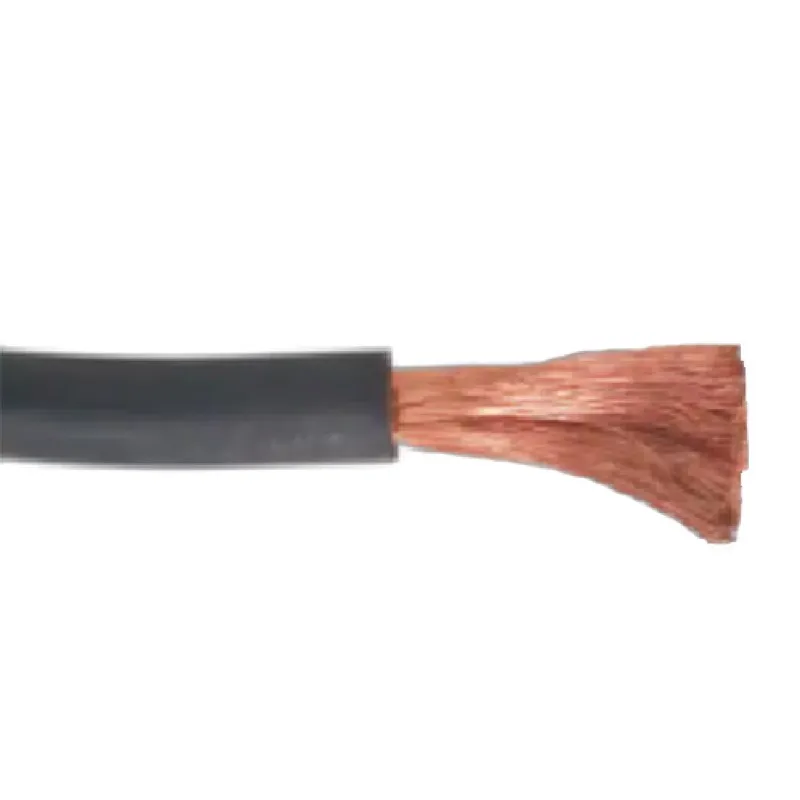
Cost Advantage Without Quality Compromise
Chinese mining cable manufacturers benefit from integrated supply chains for copper, rubber compounds, and shielding materials. For equivalent IEC or MSHA certified products, factory-direct pricing from China typically represents significant savings compared to established Western brands — savings that matter on large mining projects consuming hundreds of kilometers of cable.
The cost difference comes from manufacturing overhead, labour efficiency, and raw material sourcing — not from material substitution or reduced testing. The same EPR insulation compounds, the same tinned copper conductors, the same CPE jacket materials are used. International certification bodies (MSHA, third-party labs) verify this through routine surveillance. This applies to our entire rubber cable range as well as XLPE power cables for fixed mining installations.
Production Capacity
Mining projects often require large cable quantities on tight schedules — a new underground mine might need 500+ km of various trailing cables, all delivered before commissioning. Chinese manufacturers with dedicated mining cable production lines can deliver these volumes because they run multiple vulcanization lines simultaneously and carry strategic copper inventory.
Full Certification Capability
Established Chinese mining cable manufacturers hold:
- MSHA approval for US underground coal mine use
- Type test reports per IEC 60502 and IEC 60332
- AS/NZS 1802 and AS/NZS 2802 compliance testing
- ISO 9001 quality management systems
- Third-party test reports from SGS, BV, Intertek, or TÜV
Customization
Chinese factories are accustomed to producing mining cables to customer specifications:
- Custom voltage ratings
- Non-standard conductor sizes
- Specific jacket colours (safety yellow, red for high-voltage identification)
- Customer-specific print marking
- Special temperature ratings
- Modified grounding configurations
Quality Verification for Mining Cables
Mining cable quality is non-negotiable. Here is what to verify when evaluating any supplier:
Factory Audit Checklist
- Rubber compound mixing: Dedicated mixing room with Banbury mixers, compound recipes tracked and controlled
- Conductor production: Drawing and stranding machines calibrated for extra-flexible classes
- Vulcanization lines: Continuous vulcanization (CV) lines with temperature monitoring and recording
- Testing laboratory: High voltage test set (≥50kV AC), partial discharge detection equipment, insulation resistance tester, flame test chamber, mechanical test machines (tensile, elongation, abrasion)
- MSHA compliance: Current MSHA approval letter, evidence of ongoing compliance surveillance
Key Tests to Witness or Verify
- Conductor resistance — confirms copper purity and cross-section
- High voltage withstand — per applicable standard (e.g., 20kV AC for 5 minutes for 8kV rated cable)
- Partial discharge — must be ≤5 pC at rated voltage (more stringent than standard power cables)
- Insulation resistance — ≥100 MΩ·km at 20°C minimum
- Hot-set test — confirms EPR/XLPE cross-linking (elongation ≤175%, permanent set ≤15%)
- Flame test — MSHA 2G flame test or IEC 60332-1 as applicable
- Jacket tests: Tensile strength (≥10 MPa), elongation at break (≥300%), oil resistance (ASTM Oil No. 2 immersion), abrasion resistance
- Cold bend test — cable wound on mandrel at -35°C or -25°C without cracking
- Impact test — weight dropped on cable at low temperature without jacket cracking
Documentation to Request
Before placing an order:
- MSHA approval certificate (if required)
- Full type test report for the specific cable construction
- Sample routine test report showing all measurements
- ISO 9001 certificate
- Factory audit report (if available from previous buyers or third-party agencies)
- Material certificates for copper, insulation compound, and jacket compound
Packaging and Shipping
Mining cables are heavy and require proper packaging for international shipping:
Packaging Options
- Heavy-duty wooden drums: Standard for mining cables. Drum flanges sized for cable weight; lagging boards protect the cable during handling and transit.
- Steel drums: For the heaviest cables (dragline reeling cables can weigh 10+ tonnes per drum)
- Maximum drum weight: Typically limited to 5-8 tonnes for standard crane/forklift handling at mine sites
Container Loading
- 20ft container: 18-22 tonnes net cable weight (limited by container payload rating, not volume)
- 40ft container: Up to 26 tonnes (floor loading limits may apply for heavy drums)
- Flat-rack containers: For oversized drums exceeding standard container dimensions
Standard Export Documentation
- Commercial invoice and packing list
- Cable test reports (per drum)
- Certificate of conformity
- MSHA approval letter (copy, if applicable)
- Certificate of origin
- Material Safety Data Sheet (MSDS)
- Packing and handling instructions
Frequently Asked Questions
What makes mining cable different from standard industrial cable?
Mining cables are engineered for extreme conditions: repeated flexing, mechanical impact, abrasion from rock, exposure to oils and chemicals, and operation in potentially explosive atmospheres. They use extra-flexible conductors (Class 5/6 or Class K/M), thicker thermoset rubber jackets (minimum 80 mil per MSHA), and individual conductor shielding for medium voltage ratings. Standard industrial cables would fail within days or weeks in mining service.
Is MSHA certification mandatory for all mining operations?
MSHA certification under 30 CFR Part 18 is mandatory for underground coal mines in the United States. For US surface mines and underground metal/non-metal mines, cables must meet OSHA requirements but MSHA approval provides the highest assurance of fitness for mining service. Outside the US, local regulations apply — AS/NZS 1802 in Australia, SANS standards in South Africa, or IEC 60502 in most other countries.
Can you produce cables with both MSHA and IEC certification?
Yes. A cable design can comply with multiple standards simultaneously. The physical construction (conductor class, insulation material and thickness, shielding, jacket) can be engineered to meet MSHA 30 CFR Part 18, ICEA S-75-381, and IEC 60502 requirements concurrently. We specify which standards each cable meets in the test report and cable marking.
What conductor sizes are available for SHD-GC cables?
Our standard SHD-GC range covers conductors from 6 AWG (16mm²) to 4/0 AWG (120mm²) in copper. For dragline and large shovel applications, we produce cables up to 500 kcmil (253mm²). Custom sizes are available — provide your required ampacity and voltage drop parameters for an engineering recommendation.
How do you ensure the ground check conductor functions correctly?
The ground check conductor is factory-tested for continuity and insulation resistance as part of routine production testing. The conductor is insulated with a distinctive color (typically white or yellow) for easy identification during termination. Its small cross-section (typically 10-12 AWG) is sufficient for the monitoring circuit current while being mechanically protected within the overall cable assembly.
What is the expected service life of mining trailing cables?
Service life depends heavily on operating conditions — a trailing cable on a continuous miner in a thin-seam operation may last 3-6 months due to severe flexing and abrasion, while a feeder cable in a less demanding application may last several years. The cable itself is designed for a minimum 20-year electrical life; mechanical wear from the mining environment determines actual replacement intervals.
Can mining cables be repaired or spliced?
Yes, with proper procedures and materials. MSHA-approved splice kits are available for field repair of damaged mining cables. Splices must be made using vulcanized or cold-applied methods that restore the cable's original insulation, shielding, and jacket integrity. All splices in MSHA-regulated mines must meet specific requirements and be documented.
What jacket color options are available?
Standard jacket colors are black (general purpose) and yellow/orange (high-visibility for trailing cable identification). Red is sometimes specified for high-voltage identification. Custom colors are available on request. MSHA does not mandate specific colors but requires permanent marking identifying the cable type and approval number.
Do you provide technical support for cable selection?
Yes. Our engineering team can assist with cable selection based on your equipment ratings, installation conditions, regulatory requirements, and operating environment. Provide your equipment nameplate data, cable run length, ambient temperature, and applicable standard — we will recommend the optimal cable construction and size.
What is the minimum bending radius for mining cables?
Mining cables are designed for tight bending radii compared to standard power cables. Typical minimum bending radius is 6× overall cable diameter for flexible types and 8× for reeling cables. During reeling onto drums, the drum barrel diameter must be at least 12× cable diameter to prevent conductor fatigue. We specify exact bending radius limits for each cable construction in our technical datasheets.
Why Choose China Cable Factory for Mining Cables?
- Dedicated rubber cable production lines with continuous vulcanization for consistent cross-linking quality
- Full testing laboratory including high voltage test (100kV AC), partial discharge detection, flame test chamber (MSHA 2G), cold chamber (-40°C), and mechanical test equipment
- International certifications — MSHA, IEC, AS/NZS compliance capability
- Export experience — mining cables shipped to operations in Africa, Southeast Asia, Central Asia, South America, and Oceania
- Engineering support — cable selection assistance, custom design capability, and installation guidance
- Flexible production — from small trial orders to multi-year supply contracts for ongoing mining operations
Get a Quote for Your Mining Cable Requirements
Whether you need SHD-GC trailing cables for an underground coal operation, Type W portable power cables for surface mining, or reeling cables for dragline equipment, we manufacture to international standards and deliver worldwide.
Send us your specification:
- Cable type and voltage rating
- Conductor material and size
- Number of cores (power + ground + ground check)
- Required standard and certification (MSHA, IEC, AS/NZS)
- Total quantity (meters or km)
- Delivery destination
Contact us:
- Email: sales@chinacablefactory.com
- WhatsApp: Chat with us directly
- Online: Request a Quote
We respond within 24 hours with technical confirmation and competitive pricing.
Related articles:
- SWA Cable Applications: Mining, Underground & Industrial Use Cases
- Rubber Cable — Heavy Duty Flexible Cable for Industrial Use
- XLPE Power Cable — Cross-Linked Polyethylene Insulated Cable
- 4-Core Armoured Cable: SWA & STA Specifications
- PVC Control Cable Bulk Order — KVV/KVVP Factory Sourcing
- Cable Insulation Types: PVC vs XLPE vs EPR Comparison
- XLPE Power Cable Supplier China — Factory Direct
- How to Import Cable from China: Complete Guide