Key Takeaway
Complete guide to SWA cable applications across underground, industrial, commercial, mining, solar, railway, and marine environments. Learn which scenarios require steel wire armoured cable and how to specify correctly.
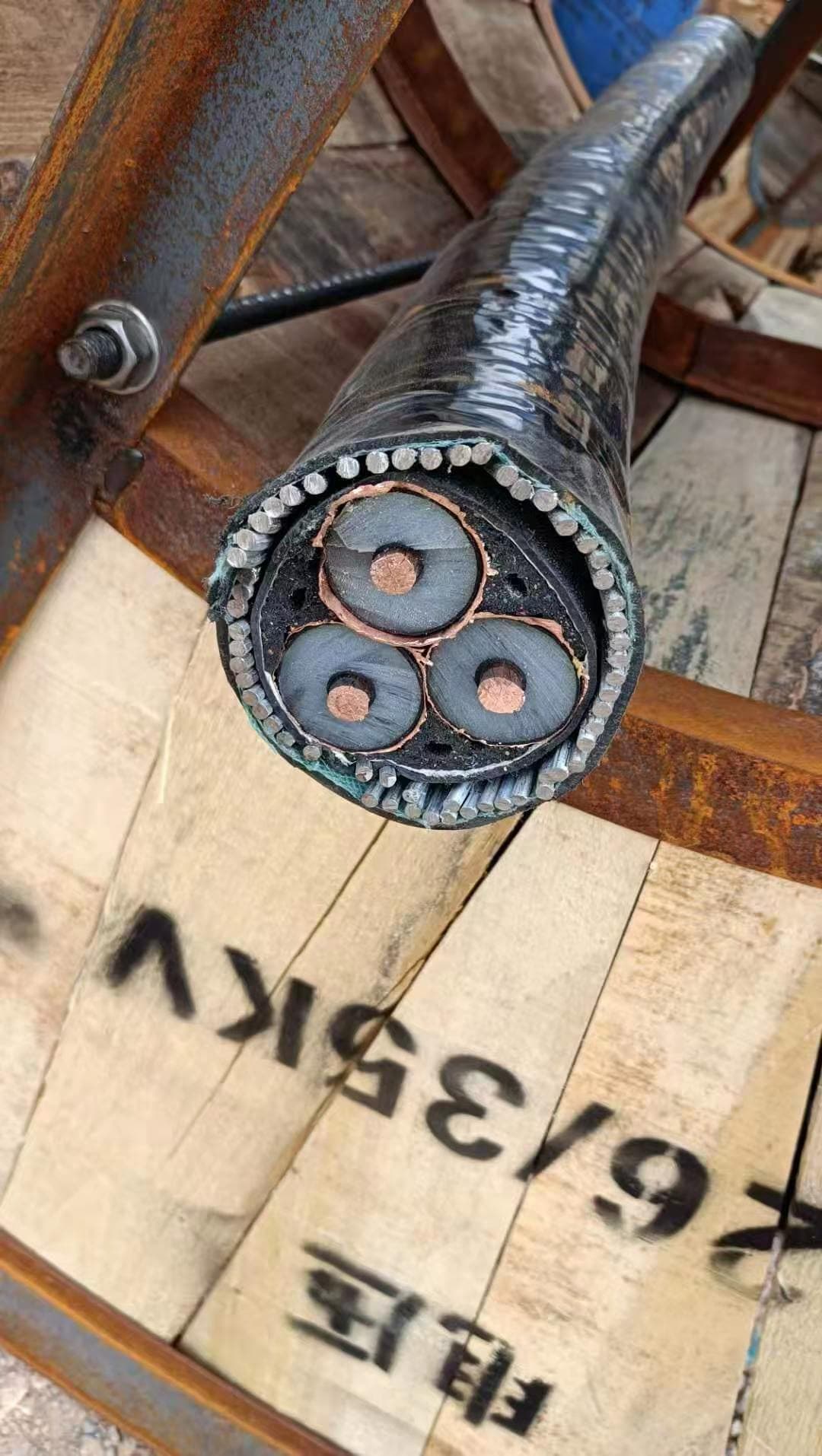
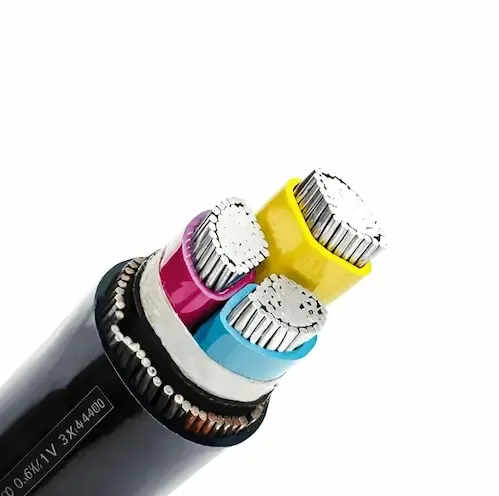
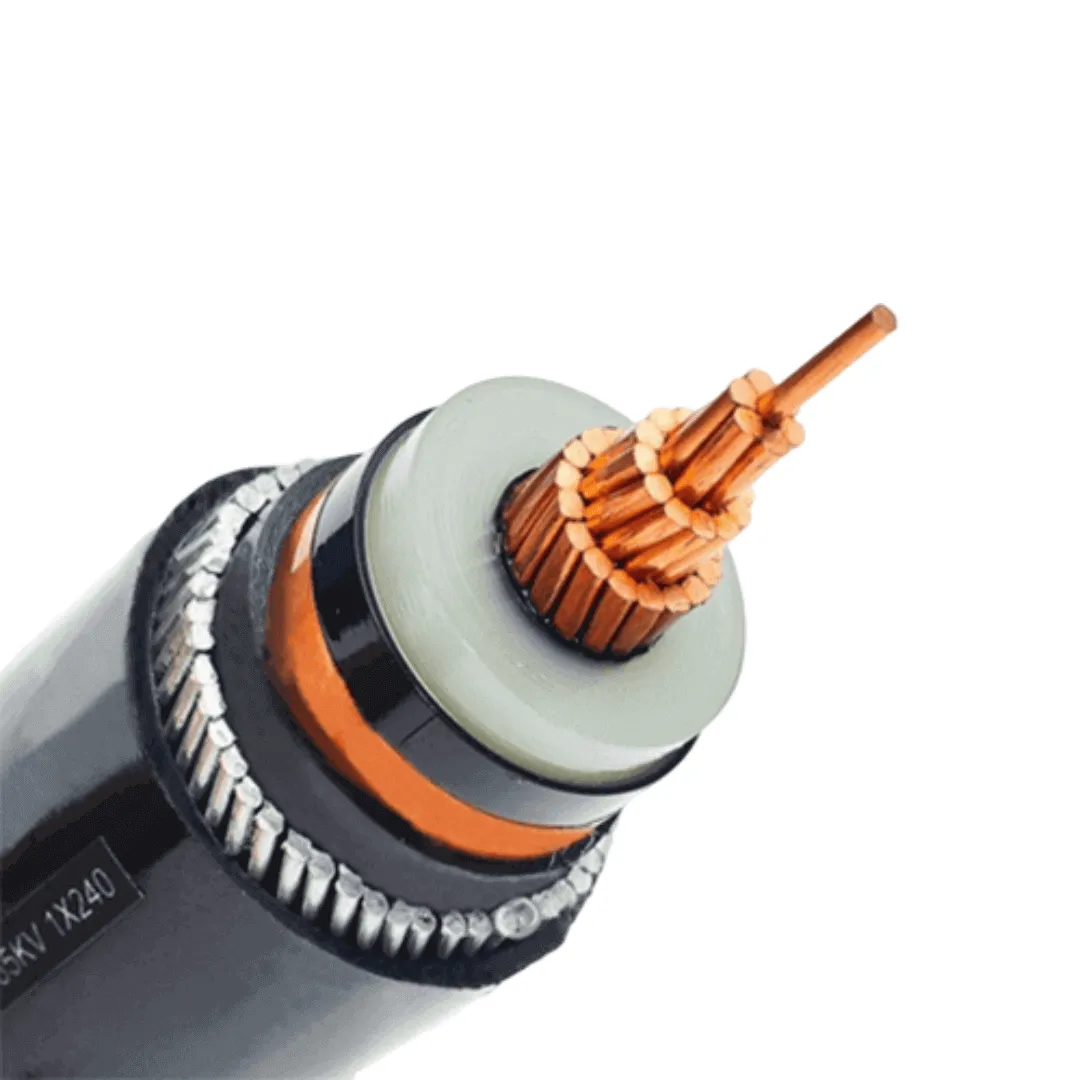
Steel wire armoured (SWA) cable is the standard choice whenever electrical conductors need mechanical protection. From underground burial to factory floors, from solar farms to railway tunnels, SWA cable handles environments that would destroy ordinary PVC-sheathed wiring within months.
This guide covers every major application scenario for SWA cable. For each, we explain why armouring is required, which specific cable construction to specify, and the standards that govern the installation.
If you need background on SWA cable construction and specifications, start with our complete SWA cable guide. For sizing calculations, see our SWA cable sizing guide. For a comparison between SWA and STA armour types, see our 4-core armoured cable specifications guide.
Why SWA Cable? The Core Advantages
Before examining specific applications, understand what makes SWA cable different from unarmoured alternatives:
- Mechanical protection — Steel wire armour resists crushing, impact, and rodent attack
- Direct burial capability — No additional conduit required in most soil conditions (per IEC 60502-1)
- Earth continuity — The steel wire armour serves as a circuit protective conductor (CPC) per BS 7671 Regulation 543.2
- UV and moisture resistance — PVC/MDPE outer sheath withstands outdoor exposure
- Fire performance — Standard XLPE/SWA/PVC construction achieves flame retardancy per IEC 60332-1
These properties make SWA cable the default specification when any of the following conditions exist:
- Cable is buried directly in soil
- Cable is exposed to mechanical damage risk
- Cable runs through areas with rodent activity
- Installation is outdoors and unprotected
- Cable crosses roads, walls, or building foundations
Application 1: Underground Burial (Direct-in-Ground)
Why SWA Is Required
Underground cable installation is the single largest application for SWA cable worldwide. For a broader overview of underground cable types including XLPE and paper-insulated options, see our underground power cable types guide. The steel wire armour provides:
- Protection against digging tools (spades, mechanical excavators)
- Resistance to soil pressure and ground movement
- Barrier against moisture ingress and rodent gnawing
- Earth fault path without requiring a separate CPC
Typical Specifications
| Parameter | Specification |
|---|---|
| Construction | Cu/XLPE/SWA/PVC or Cu/XLPE/SWA/MDPE |
| Voltage rating | 0.6/1 kV (low voltage) |
| Common sizes | 16mm² to 300mm² (3-core or 4-core) |
| Burial depth | 450mm minimum (footpaths), 600mm under roads, 750mm agricultural land (per NJUG Vol 1) |
| Bedding | 50mm fine sand or sifted soil above and below |
| Standard | IEC 60502-1, BS 5467, BS 7671 Section 522 |
Installation Considerations
The cable trench must provide adequate bedding material — sharp stones or rubble directly against the outer sheath will breach it within years. Marker tape (yellow for electrical) should be placed 150mm above the cable to warn future excavations.
For detailed underground installation procedures, see our SWA cable installation guide.
Real-World Examples
- Domestic supply: 25mm² 3-core SWA from meter box to detached garage (typical 60A supply)
- Commercial feeder: 185mm² 4-core SWA from transformer to distribution board (typical 400A supply)
- Street lighting: 6mm² 3-core SWA between lamp columns, buried at 450mm depth
Application 2: Industrial Plants & Manufacturing Facilities
Why SWA Is Required
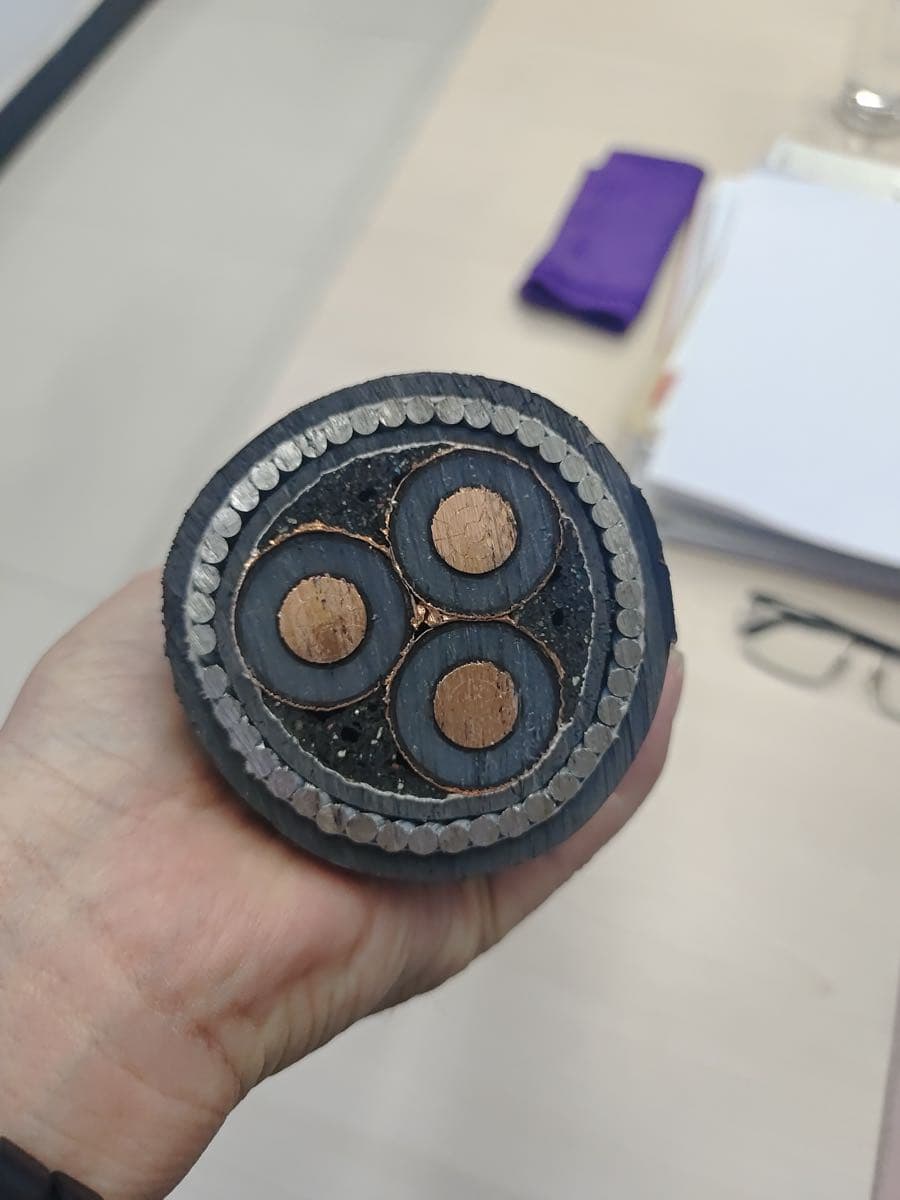
Industrial environments present constant mechanical hazards — forklift traffic, falling objects, vibration from heavy machinery, and chemical exposure. SWA cable withstands these conditions where unarmoured cable would fail.
Typical Specifications
| Parameter | Specification |
|---|---|
| Construction | Cu/XLPE/SWA/PVC (standard) or Cu/XLPE/SWA/LSF (low smoke) |
| Voltage rating | 0.6/1 kV |
| Common sizes | 4mm² to 300mm² depending on motor loads |
| Installation method | Cable tray, ladder rack, or cleated to walls |
| Standard | IEC 60502-1, BS 5467, BS 6724 (LSF sheath) |
Key Considerations
- Motor feeds: Size cable for starting current (typically 6–8× full-load current for DOL starters). Our sizing guide covers derating for grouped cables.
- Variable speed drives (VSD): Use screened armoured cable to prevent electromagnetic interference
- Chemical plants: Specify MDPE outer sheath for resistance to hydrocarbons and acids
- High-temperature areas: Consider XLPE insulation rated to 90°C continuous (vs 70°C for PVC)
Common Industrial Cable Runs
- Transformer to main switchboard (185–400mm², 4-core)
- Switchboard to motor control centre (70–150mm², 4-core)
- MCC to individual motors (2.5–25mm², 3-core or 4-core)
- Lighting and small power distribution (2.5–6mm², 3-core)
Application 3: Commercial Buildings
Why SWA Is Required
In commercial buildings — offices, retail centres, hospitals, schools — SWA cable is specified for:
- Rising mains within service shafts
- External runs between buildings
- Underground car park lighting and power
- Rooftop plant feeds (chillers, AHUs)
Building regulations (BS 7671 in the UK, IEC 60364 internationally) require mechanical protection for cables in locations accessible to the public or subject to maintenance activities.
Typical Specifications
| Parameter | Specification |
|---|---|
| Construction | Cu/XLPE/SWA/LSF (mandatory in public buildings per BS 6724) |
| Voltage rating | 0.6/1 kV |
| Common sizes | 25mm² to 185mm² for submains; 2.5–16mm² for final circuits |
| Fire rating | Low Smoke & Fume (LSF) sheath per BS 6724 or Low Smoke Zero Halogen (LSZH) per IEC 60754 |
| Standard | BS 5467 / BS 6724, IEC 60502-1, BS 7671 |
Fire Safety Requirements
Commercial buildings with public occupancy must use LSF-sheathed SWA cable. Standard PVC sheath emits dense black smoke and hydrogen chloride gas when burning — both are lethal in enclosed escape routes.
| Sheath Type | Standard | HCl Emission | Smoke Density | Application |
|---|---|---|---|---|
| PVC | BS 5467 | High | High | Outdoor/buried only |
| LSF | BS 6724 | Low | Low | Public buildings, enclosed areas |
| LSZH | IEC 60754-1 | Zero | Very low | Tunnels, underground stations |
Application 4: Mining & Quarrying
Why SWA Is Required
Mining represents one of the most extreme environments for electrical cable. For MSHA-certified mining cable options, see our mining cable supplier guide. Key challenges include:
- Rock falls and heavy equipment impacts
- Water ingress (often acidic mine water)
- Methane and coal dust explosion risk (in coal mines)
- Long cable runs with high voltage drop
- Constant relocation as mining faces advance
Typical Specifications
| Parameter | Specification |
|---|---|
| Construction | Cu/EPR/SWA/PVC or Cu/XLPE/SWA/MDPE |
| Voltage rating | 0.6/1 kV (distribution), 3.8/6.6 kV or 6.35/11 kV (feeder) |
| Common sizes | 35mm² to 300mm² |
| Insulation | EPR preferred (flexibility for reeling/unreeling) |
| Standard | IEC 60502-1/2, BS 6708, SANS 1507 (South Africa) |
Mining-Specific Requirements
- Trailing cables: Flexible armoured construction for drag-line equipment
- Methane environments: Cables must be certified for Group I (mining) hazardous areas per IEC 60079
- Pillar and stall wiring: SWA cable cleated to mine roof with stainless steel cleats
- Pump feeds: Submersible-rated SWA for dewatering operations
Application 5: Solar Farms & Renewable Energy
Why SWA Is Required
Solar installations present a specific combination of challenges:
- Long cable runs across open ground (1–5 km typical for utility-scale)
- Direct burial between array strings and inverter stations
- Exposure to UV radiation, extreme temperatures, and moisture
- Rodent and livestock damage in rural settings
- 25+ year design life requirement
Typical Specifications
| Parameter | Specification |
|---|---|
| Construction | Cu or Al/XLPE/SWA/MDPE |
| Voltage rating | 0.6/1 kV (AC collection), up to 1.8/3 kV (DC strings on large farms) |
| Conductor | Aluminium preferred for long runs (cost saving 40–60% vs copper) |
| Common sizes | 95mm² to 300mm² (AC collection cables) |
| Standard | IEC 60502-1, IEC 62930 (photovoltaic cables) |
Design Considerations for Solar
- Aluminium vs copper: For horizontal buried runs >50m, aluminium SWA is standard. The weight saving also simplifies installation. See our pricing guide for cost comparison.
- DC string cables: Typically unarmoured (solar-specific per IEC 62930), but the AC collection network from inverters to transformer stations uses standard SWA.
- Ground-mounted vs rooftop: Ground-mounted arrays always require armoured cable for ground-level and buried runs.
Application 6: Infrastructure — Roads, Bridges & Tunnels
Why SWA Is Required
Infrastructure projects demand cables that can survive decades of vibration, moisture cycling, and zero-access maintenance windows:
- Road crossings (cable must survive above without conduit)
- Bridge decks (vibration, thermal expansion)
- Tunnel installations (fire safety critical)
- Traffic management systems
- Flood defence pumping stations
Typical Specifications
| Parameter | Specification |
|---|---|
| Construction | Cu/XLPE/SWA/LSF or Cu/XLPE/SWA/LSZH (tunnels) |
| Voltage rating | 0.6/1 kV to 6.35/11 kV |
| Fire rating | LSZH mandatory in enclosed tunnels per BS 6724 + BS 8519 |
| Burial depth | 750mm minimum under roads, 1200mm under motorways |
| Standard | IEC 60502, NJUG Vol 1, BS 7671, Highways Act specifications |
Critical Notes
- Road crossings: Cable must be installed in duct (110mm HDPE minimum) to allow future replacement without re-excavation
- Bridge installations: Allow expansion loops at deck joints (typically 1m loop per 50m span)
- Tunnel fire safety: LSZH sheath is non-negotiable — smoke from PVC kills faster than fire
Application 7: Agriculture & Rural Installations
Why SWA Is Required
Agricultural environments combine multiple hazards:
- Rodent and livestock damage (cattle will chew exposed cables)
- Buried runs across open fields to outbuildings, pumps, and irrigation
- Tractor and machinery traffic over buried cable routes
- Moisture and fertiliser chemicals
- Remote locations with long cable runs
Typical Specifications
| Parameter | Specification |
|---|---|
| Construction | Cu/XLPE/SWA/PVC |
| Voltage rating | 0.6/1 kV |
| Common sizes | 6mm² to 70mm² |
| Typical runs | Farmhouse to barn, pump house, grain dryer, milking parlour |
| Standard | IEC 60502-1, BS 5467, BS 7671 Section 705 (Agricultural) |
Practical Guidance
- Burial depth: 600mm minimum in cultivated land (plough depth), 750mm in vehicle routes
- Size generously: Voltage drop is the governing factor on long rural runs, not current capacity. A 300m run to a grain dryer may need 35mm² cable where current alone would suggest 10mm².
- Earth rod at each building: Agricultural installations require supplementary earth electrodes per BS 7671 Regulation 705.544.2
Application 8: Marine, Offshore & Coastal
Why SWA Is Required
Marine environments attack cables through:
- Salt water and salt spray corrosion
- Tidal and wave mechanical forces
- Abrasion from seabed and shore movement
- UV degradation from high solar exposure
- Extreme wind loading on exposed runs
Typical Specifications
| Parameter | Specification |
|---|---|
| Construction | Cu/XLPE/GSWA/MDPE (galvanised steel wire armour) |
| Armour material | Galvanised steel wire (standard SWA corrodes in salt) |
| Voltage rating | 0.6/1 kV to 6.35/11 kV |
| Common sizes | 25mm² to 240mm² |
| Standard | IEC 60502-1, IEC 60092 (marine), DNV-GL rules |
Marine-Specific Considerations
- Galvanised armour is essential — Standard bright steel wire armour will corrode within 2–3 years in coastal environments. Specify GSWA or stainless steel armour.
- Port and harbour installations: Cable from shore to floating pontoons requires flexible armoured construction with strain relief.
- Offshore platforms: Mud-resistant MDPE outer sheath rated for continuous submersion.
Application 9: Railway & Metro Systems
Why SWA Is Required
Railway electrical systems operate in uniquely challenging conditions:
- High vibration from passing trains (continuous cyclic loading)
- Electromagnetic interference from traction systems
- Ballast and trackside mechanical damage
- Long cable runs alongside track (signalling, telecoms, power)
- Strict fire safety requirements in stations and tunnels
Typical Specifications
| Parameter | Specification |
|---|---|
| Construction | Cu/XLPE/SWA/LSZH (fire critical) or Cu/XLPE/SWA/MDPE (trackside) |
| Voltage rating | 0.6/1 kV (signalling/power), 6.35/11 kV (traction distribution) |
| Screening | Individual core screening for signalling cables (EMI protection) |
| Fire rating | CPR class B2ca or Cca for station installations (EU EN 50575) |
| Standard | IEC 60502, EN 50264 (railway rolling stock), Network Rail NR/SP/ELP/21074 |
Application Breakdown
- Signalling cables: Multicore (7–37 core) SWA, 1.5mm² or 2.5mm² per core
- Track feeder cables: 185–400mm² single-core or 3-core SWA at 11 kV
- Station power: Standard LV SWA with LSZH sheath
- Tunnel lighting: Fire-rated SWA per BS 8519 and CPR requirements
Application Summary Table
| Application | Cable Construction | Typical Sizes | Key Standard | Critical Requirement |
|---|---|---|---|---|
| Underground burial | Cu/XLPE/SWA/PVC | 16–300mm² | IEC 60502-1, BS 5467 | Burial depth, bedding material |
| Industrial plants | Cu/XLPE/SWA/LSF | 4–300mm² | BS 6724, IEC 60502-1 | Motor starting current, grouping derating |
| Commercial buildings | Cu/XLPE/SWA/LSF | 25–185mm² | BS 6724, BS 7671 | Low smoke sheath for occupied buildings |
| Mining | Cu/EPR/SWA/MDPE | 35–300mm² | IEC 60502, BS 6708 | Explosion protection, flexibility |
| Solar farms | Al/XLPE/SWA/MDPE | 95–300mm² | IEC 60502-1, IEC 62930 | Long runs, aluminium for cost |
| Infrastructure | Cu/XLPE/SWA/LSZH | 25–240mm² | BS 8519, NJUG Vol 1 | LSZH in tunnels, duct under roads |
| Agriculture | Cu/XLPE/SWA/PVC | 6–70mm² | BS 5467, BS 7671 S.705 | Voltage drop on long runs |
| Marine/coastal | Cu/XLPE/GSWA/MDPE | 25–240mm² | IEC 60092, DNV-GL | Galvanised armour against salt corrosion |
| Railway | Cu/XLPE/SWA/LSZH | 1.5–400mm² | EN 50264, IEC 60502 | EMI screening, fire rating CPR Cca+ |
How to Choose the Right SWA Cable for Your Application
Selecting the correct SWA specification starts with four questions:
1. What is the installation environment?
- Buried in soil → Standard PVC or MDPE outer sheath
- Inside buildings with public access → LSF sheath (BS 6724) mandatory
- Tunnels or enclosed infrastructure → LSZH sheath (IEC 60754)
- Marine or coastal → Galvanised steel wire armour + MDPE sheath
- Chemical exposure → MDPE sheath (resistant to hydrocarbons)
2. What voltage and current capacity is needed?
Use IEC 60502-1 (up to 1 kV) or IEC 60502-2 (1–30 kV) as your reference standard. Cable sizing must account for:
- Load current under maximum demand
- Voltage drop over the cable run length
- Grouping derating factors (multiple cables in same trench)
- Ambient temperature correction
Our SWA cable sizing guide provides all current rating tables and correction factors.
3. What mechanical protection level is required?
| Hazard Level | SWA Suitability | Alternative |
|---|---|---|
| Light (indoor, no traffic) | Optional — unarmoured may suffice | PVC/SWA/PVC still preferred for earthing |
| Medium (buried, outdoor) | Required | No practical alternative for direct burial |
| Heavy (industrial, mining) | Required + additional protection | SWA in steel trunking for extreme impact |
| Severe (subsea, bore) | Specialist armour | Double wire armour (DWA) or wire braid |
4. Are there fire safety requirements?
- No specific requirements: Standard PVC sheath (BS 5467)
- Occupied buildings: LSF sheath (BS 6724)
- Underground stations/tunnels: LSZH (IEC 60754-1, IEC 61034)
- EU CPR classified areas: Minimum Cca-s1b,d1,a1 rating per EN 50575
SWA Cable vs Alternatives: When Armour Is Not Needed
SWA cable costs more than unarmoured alternatives — typically 30–60% more per metre. There are situations where armouring is unnecessary:
| Scenario | Use SWA? | Reasoning |
|---|---|---|
| Inside conduit/trunking (no mechanical risk) | No | Conduit provides mechanical protection |
| Short run inside a building on cable tray | Optional | LSF unarmoured cable is acceptable per BS 7671 |
| Flexible connection to moving equipment | No | Use flexible armoured or braided cable |
| Underground in duct | Optional | Duct provides protection; SWA adds belt-and-braces |
| Outdoor exposed to weather | Yes | UV + mechanical risk without SWA |
| Buried without duct | Yes | Mandatory — no practical alternative |
Rule of thumb: If the cable can be accessed by a person with a spade, or by a rodent with teeth, use SWA.
Standards Reference for SWA Cable Applications
| Standard | Scope | Relevance to SWA |
|---|---|---|
| IEC 60502-1 | Power cables 1–3 kV | Base construction and test standard |
| IEC 60502-2 | Power cables 6–30 kV | Medium voltage SWA requirements |
| BS 5467 | PVC-sheathed armoured cables | UK standard for external/buried SWA |
| BS 6724 | LSF-sheathed armoured cables | UK standard for buildings with public access |
| BS 7671 | Wiring regulations (18th Edition) | Installation rules, earthing via armour |
| IEC 60364 | Electrical installations in buildings | International installation standard |
| IEC 60332-1 | Single cable flame test | Flame retardancy requirement |
| IEC 60754-1 | Halogen acid gas emission | LSZH sheath qualification |
| IEC 61034 | Smoke density measurement | Low smoke sheath qualification |
| EN 50575 | CPR construction products regulation | EU fire classification for cables |
| NJUG Vol 1 | UK street works guidance | Burial depths, marker tape, backfill |
Frequently Asked Questions
What is SWA cable used for?
SWA (Steel Wire Armoured) cable is used for any electrical installation requiring mechanical protection. The most common applications are underground burial, industrial power distribution, commercial building submains, outdoor installations, and infrastructure projects. The steel wire armour protects conductors from impact, crushing, rodent attack, and soil pressure.
Can SWA cable be used above ground?
Yes. SWA cable is regularly installed above ground on cable trays, ladder racks, and cleated to walls. The armour provides mechanical protection even without burial. Above-ground SWA must still be supported at intervals per manufacturer guidance (typically every 300–450mm for horizontal runs).
Where is SWA cable not suitable?
SWA cable is not suitable for: (1) flexible connections to moving machinery — use flexible armoured cable instead; (2) submersion in deep water without specialist outer serving; (3) extremely corrosive chemical environments where steel armour dissolves — use aluminium wire armour (AWA) or plastic-armoured cable; (4) high-frequency data transmission — the steel armour causes electromagnetic interference.
What is the difference between SWA and STA cable?
SWA (Steel Wire Armoured) uses round steel wires for armour and is designed for multicore cables. STA (Steel Tape Armoured) uses flat steel tapes and is typically used for single-core cables where wire armour would cause circulating currents due to magnetic effects. For 3-phase single-core installations, STA or aluminium wire armour is preferred over SWA.
Can SWA cable be used in hazardous areas?
Yes, but with certification. SWA cable for use in Zone 1 or Zone 2 hazardous areas (per IEC 60079-14) must be installed using certified Ex-rated cable glands. The cable gland must maintain the integrity of the hazardous area boundary. Standard CW-type glands are not suitable — use barrier glands certified to IEC 60079-1 or IEC 60079-7.
How long does SWA cable last underground?
Properly installed SWA cable in suitable soil conditions has a design life of 40–60 years. Key factors affecting longevity: correct bedding material (no sharp stones), adequate burial depth, proper cable gland sealing at entry points, and absence of stray DC currents that accelerate corrosion. Acidic soils (pH below 5) reduce armour life.
Is SWA cable suitable for solar farm installations?
Yes — SWA cable is the standard specification for AC collection networks on solar farms. Aluminium conductor SWA cable is preferred for long runs due to cost savings. The cable connects string inverters to transformer stations and is typically buried directly in the ground. For DC string wiring, specialist solar cables per IEC 62930 are used instead.
Compare Before You Specify
- Armoured Cable vs Non-Armoured: When Do You Actually Need Armour?
- Cable Insulation Types: PVC vs XLPE vs LSZH
- Which Chinese SWA Manufacturers Hold Real BS 5467 Evidence — Ten plants ranked on standards scope, export record and MOQ
Source Your SWA Cable
Whether you need 16mm² 3-core for a domestic outbuilding or 300mm² 4-core for industrial distribution, we manufacture the full range of SWA cable to IEC 60502-1 and BS 5467 standards. Learn more about our armoured cable manufacturing capabilities.
For factory-direct pricing on bulk orders, see our SWA cable price guide. For help choosing the right cable size, use our sizing guide with current rating tables.
Interested in this product?
Get a Free Quote