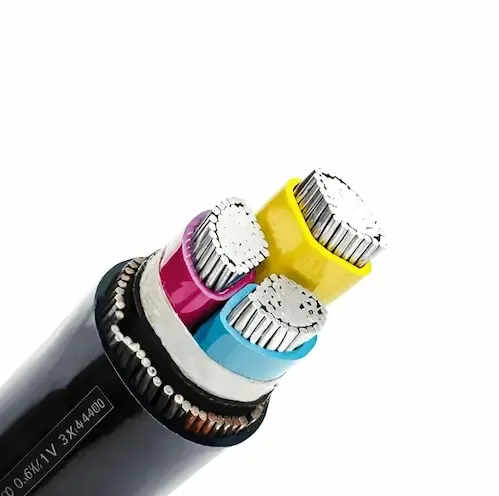
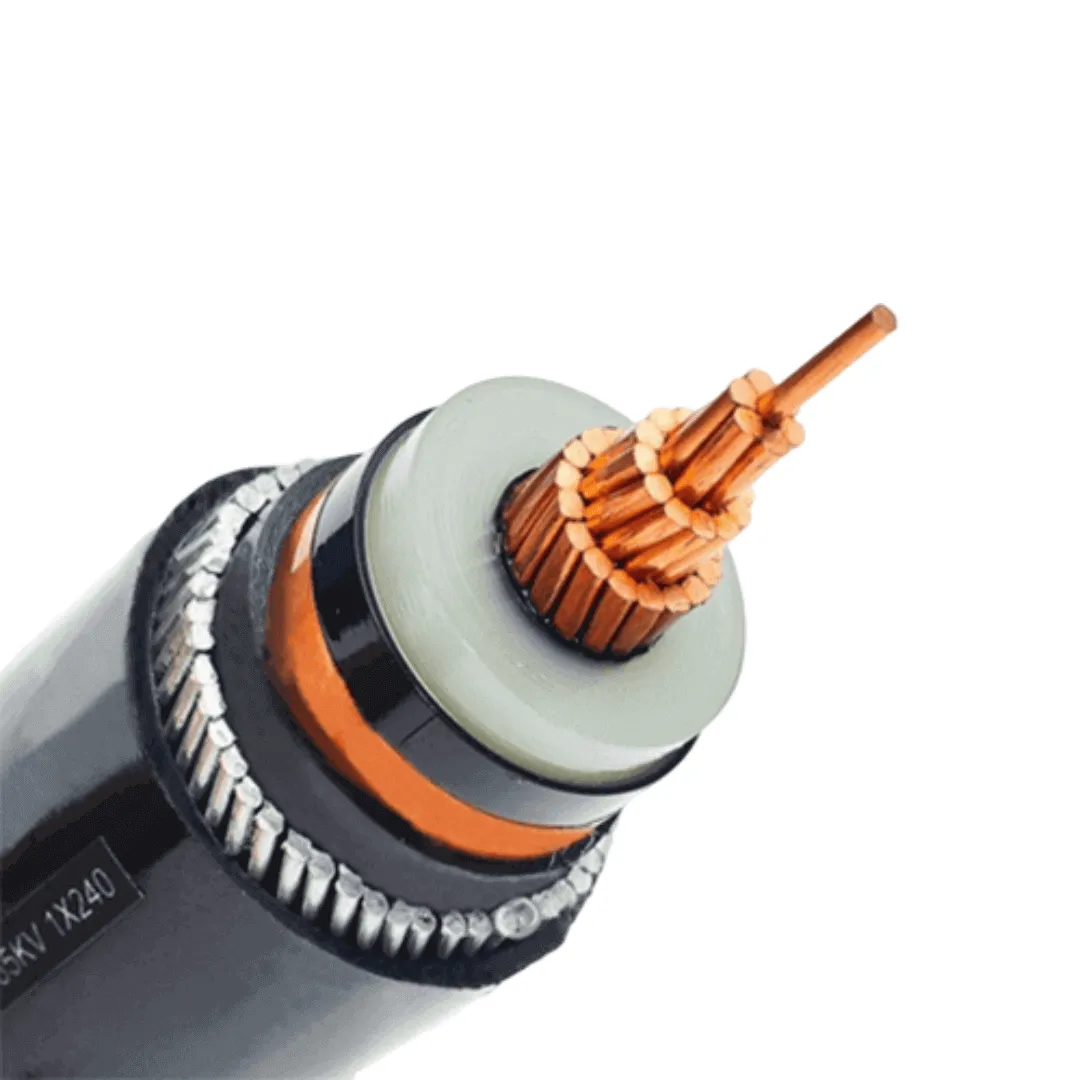
Key Takeaway
SWA cable pricing breakdown: copper vs aluminium, core count, armour type. Size-by-size cost guide with factory-direct bulk order tips from China.
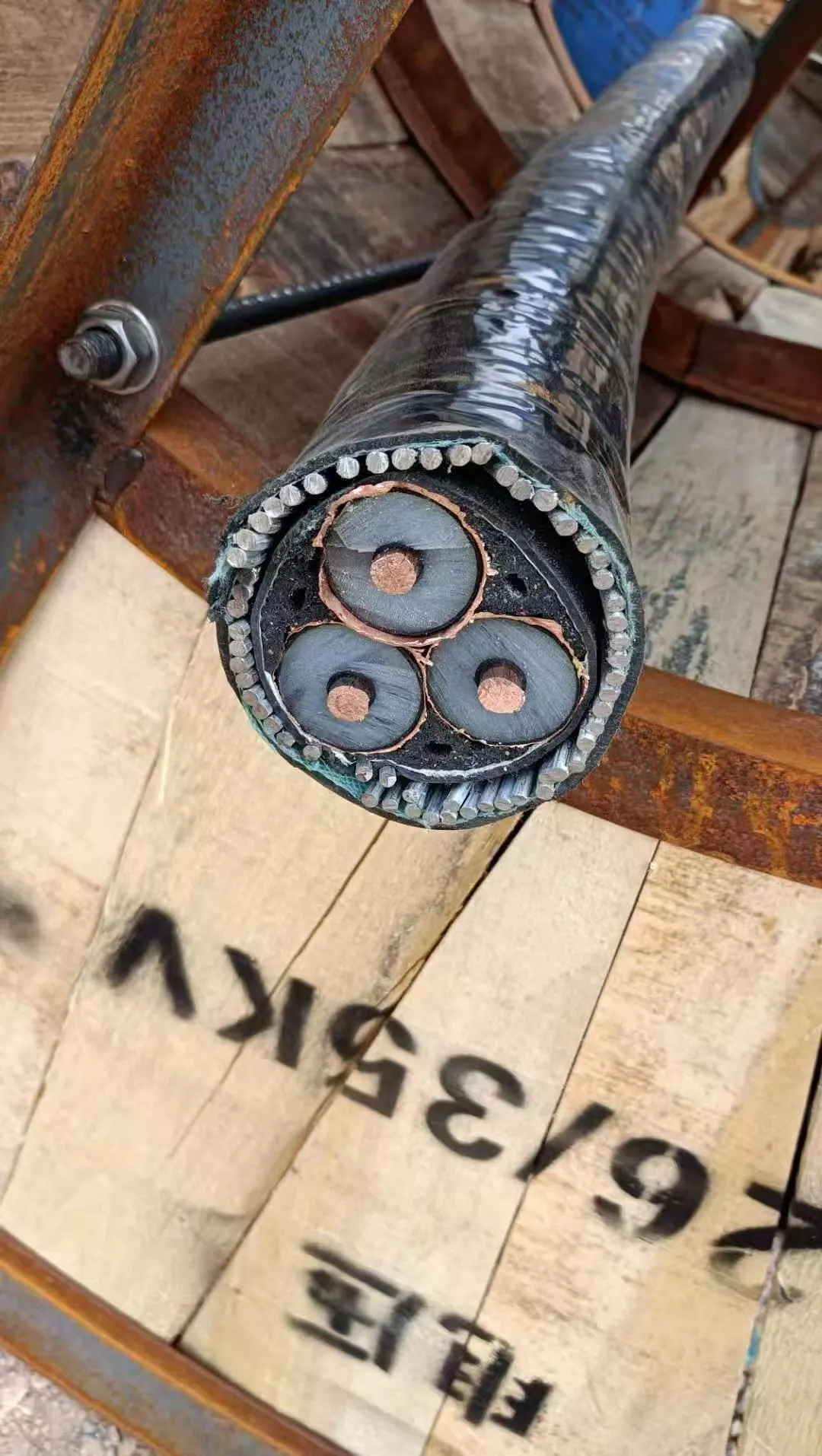
If you are pricing a project that requires SWA cable (Steel Wire Armoured cable), you already know that costs vary significantly depending on conductor size, material, core count, and order volume. A 1.5mm² 3-core SWA cable and a 300mm² 4-core SWA cable are completely different products at completely different price points — yet both fall under the "SWA cable" umbrella.
This guide breaks down exactly what drives SWA cable pricing, provides indicative cost ranges by size, and explains how to secure the best factory-direct pricing when ordering in bulk from China.
Why SWA Cable Prices Vary So Much
There is no single "SWA cable price." The final cost per meter depends on multiple variables that interact with each other. Understanding these factors helps you compare quotes accurately and avoid overpaying.
Factor 1: Conductor Material — Copper vs Aluminium
The conductor accounts for 60–75% of total cable material cost. This single factor creates the largest price gap between otherwise identical cables.
- Copper conductor (Cu): Higher conductivity (lower resistance per mm²), smaller diameter for equivalent current rating, but significantly more expensive raw material
- Aluminium conductor (Al): Approximately 60–65% of copper's conductivity, requiring larger cross-section for equivalent performance, but raw material cost is roughly 30–35% of copper per kg
Real impact on pricing: A 4-core 95mm² copper SWA cable typically costs 2.5–3× more per meter than the aluminium equivalent. For long distribution runs where weight and trench width are not critical constraints, aluminium SWA offers substantial savings.
Factor 2: Conductor Cross-Section (mm²)
Larger cross-sections mean more conductor material per meter. The relationship is roughly linear for conductor cost, but overall cable price does not scale perfectly linearly because:
- Insulation thickness increases with voltage rating, not proportionally with conductor size
- Armour wire diameter is determined by overall cable diameter, not conductor size alone
- Manufacturing speed decreases for larger cables (slower extrusion, longer curing)
Common SWA cable sizes range from 1.5mm² (lighting circuits, control) to 400mm² (main distribution, substation feeds). The price difference between smallest and largest can be 30–50× per meter.
Factor 3: Number of Cores
More cores = more conductor material + larger overall diameter = more armour material + more sheathing material.
Typical configurations and their relative cost impact (using single-core as baseline):
| Configuration | Relative Material Cost | Common Application |
|---|---|---|
| 2-core (2C) | 1.8–2.0× single core | Single-phase supply, lighting |
| 3-core (3C) | 2.6–2.8× single core | Three-phase without neutral |
| 4-core (4C) | 3.4–3.6× single core | Three-phase with neutral |
| 3+1 core | 3.0–3.2× single core | Three-phase + reduced neutral |
| 5-core (5C) | 4.2–4.5× single core | Three-phase + neutral + earth |
Factor 4: Insulation Type — PVC vs XLPE
- PVC insulation (rated 70°C conductor temperature): Standard for 0.6/1kV applications, lower material cost
- XLPE insulation (rated 90°C conductor temperature): Higher current-carrying capacity for same size, better short-circuit performance, slightly higher cost (typically 5–12% premium over PVC for equivalent size)
For medium-voltage SWA cables (3.6/6kV, 6/10kV, up to 33kV), XLPE is the standard — PVC is not used at these voltage levels.
Factor 5: Armour Type — SWA vs STA vs AWA
| Armour Type | Construction | Cost Impact | When Used |
|---|---|---|---|
| SWA (Steel Wire Armour) | Galvanised steel wires | Baseline | Multi-core cables, flexible routes |
| STA (Steel Tape Armour) | Two galvanised steel tapes | 5–10% less than SWA | Single-core cables, straight runs |
| AWA (Aluminium Wire Armour) | Aluminium wires | 8–15% less than SWA | Single-core cables (avoids magnetic heating) |
Note: For single-core cables, SWA creates magnetic losses in the steel armour due to alternating current. This is why single-core cables use STA or AWA (non-magnetic) armour. Multi-core cables use SWA because the magnetic fields cancel out between phases.
Factor 6: Outer Sheath — Standard PVC vs LSZH
- Standard PVC sheath: Lower cost, suitable for outdoor and underground use
- LSZH (Low Smoke Zero Halogen) sheath: Required for enclosed spaces (tunnels, metro, buildings) per IEC 60332-3 and BS 6724. Adds approximately 15–25% to overall cable cost
Factor 7: Order Volume & LME Copper Price
Two external factors that significantly impact your final per-meter price:
LME Copper Price: Copper is traded on the London Metal Exchange. Cable manufacturers quote based on the current LME price + a fixed fabrication cost. When copper prices rise 10%, copper SWA cable prices rise approximately 6–8% (because copper is 60–75% of material cost).
Order Volume: Factory-direct pricing from China typically follows these volume tiers:
- < 5 km total: Standard pricing, longer lead time
- 5–20 km: 3–8% volume discount
- 20–100 km: 8–15% volume discount
- 100+ km (project orders): Best pricing, negotiated terms
SWA Cable Price Ranges by Size (Indicative 2026 Pricing)
The following tables provide indicative factory-direct price ranges for standard SWA cable from China. These are FOB China port prices for copper conductor, XLPE insulated, PVC sheathed, 0.6/1kV rated cable. Actual prices depend on LME copper price at time of order, exact specifications, and order volume.
Important: These ranges are for reference and budgeting only. Contact us for a firm quotation based on your exact requirements.
3-Core SWA Cable Prices (Cu/XLPE/SWA/PVC, 0.6/1kV)
| Size (mm²) | Approx. Weight (kg/km) | Price Range (USD/m) | Typical Application |
|---|---|---|---|
| 3×1.5 | 410–460 | Contact for quote | Control circuits, lighting |
| 3×2.5 | 490–540 | Contact for quote | Small power, lighting mains |
| 3×4 | 600–660 | Contact for quote | Small motor feeds |
| 3×6 | 730–800 | Contact for quote | Motor feeds, submains |
| 3×10 | 1,000–1,100 | Contact for quote | Submains, panel feeds |
| 3×16 | 1,350–1,480 | Contact for quote | Distribution boards |
| 3×25 | 1,800–1,980 | Contact for quote | Submain distribution |
| 3×35 | 2,250–2,470 | Contact for quote | Medium distribution |
| 3×50 | 2,900–3,180 | Contact for quote | Main distribution |
| 3×70 | 3,800–4,160 | Contact for quote | Main feeds, transformers |
| 3×95 | 4,700–5,150 | Contact for quote | Transformer connections |
| 3×120 | 5,700–6,250 | Contact for quote | High-current distribution |
| 3×150 | 6,900–7,550 | Contact for quote | Substation feeds |
| 3×185 | 8,400–9,200 | Contact for quote | Large substation feeds |
| 3×240 | 10,700–11,700 | Contact for quote | Major infrastructure |
| 3×300 | 13,000–14,200 | Contact for quote | Primary distribution |
| 3×400 | 16,500–18,000 | Contact for quote | Utility-scale distribution |
4-Core SWA Cable Prices (Cu/XLPE/SWA/PVC, 0.6/1kV)
| Size (mm²) | Approx. Weight (kg/km) | Price Range (USD/m) | Typical Application |
|---|---|---|---|
| 4×1.5 | 520–570 | Contact for quote | Control, instrumentation |
| 4×2.5 | 630–690 | Contact for quote | Small power circuits |
| 4×4 | 800–880 | Contact for quote | Motor feeds (3ph+N) |
| 4×6 | 1,000–1,090 | Contact for quote | Submains |
| 4×10 | 1,370–1,500 | Contact for quote | Panel feeds |
| 4×16 | 1,850–2,030 | Contact for quote | Distribution |
| 4×25 | 2,500–2,740 | Contact for quote | Submain distribution |
| 4×35 | 3,100–3,400 | Contact for quote | Medium distribution |
| 4×50 | 4,050–4,430 | Contact for quote | Main distribution |
| 4×70 | 5,300–5,800 | Contact for quote | Main feeds |
| 4×95 | 6,700–7,350 | Contact for quote | Transformer connections |
| 4×120 | 8,200–9,000 | Contact for quote | High-current mains |
| 4×150 | 9,800–10,700 | Contact for quote | Large distribution |
| 4×185 | 12,000–13,100 | Contact for quote | Substation feeds |
| 4×240 | 15,300–16,700 | Contact for quote | Major infrastructure |
| 4×300 | 18,700–20,500 | Contact for quote | Primary distribution |
2-Core SWA Cable Prices (Cu/XLPE/SWA/PVC, 0.6/1kV)
| Size (mm²) | Approx. Weight (kg/km) | Price Range (USD/m) | Typical Application |
|---|---|---|---|
| 2×1.5 | 320–350 | Contact for quote | Lighting, single-phase control |
| 2×2.5 | 380–420 | Contact for quote | Single-phase power |
| 2×4 | 470–520 | Contact for quote | Single-phase submains |
| 2×6 | 570–630 | Contact for quote | Single-phase feeds |
| 2×10 | 780–860 | Contact for quote | Single-phase distribution |
| 2×16 | 1,050–1,150 | Contact for quote | Larger single-phase loads |
| 2×25 | 1,400–1,540 | Contact for quote | Heavy single-phase |
Price Comparison: Copper vs Aluminium SWA Cable
To illustrate the cost advantage of aluminium conductors for larger sizes:
| Size | Copper SWA (relative) | Aluminium SWA (relative) | Savings |
|---|---|---|---|
| 3×50mm² | 100% | 45–50% | ~50–55% |
| 3×95mm² | 100% | 40–45% | ~55–60% |
| 3×150mm² | 100% | 38–42% | ~58–62% |
| 3×240mm² | 100% | 35–40% | ~60–65% |
| 3×300mm² | 100% | 33–38% | ~62–67% |
Note: Aluminium SWA requires one size up for equivalent current rating (e.g., Al 95mm² ≈ Cu 50mm² in current capacity). The net saving after size adjustment is typically 30–45% for equivalent electrical performance.
How Copper Price Movements Affect SWA Cable Cost
SWA cable pricing is directly linked to the London Metal Exchange (LME) copper price. Understanding this relationship helps you time your purchases and understand quote validity periods.
The Pricing Formula
Most cable manufacturers use a simple formula:
Cable Price = (Conductor Weight × Metal Price) + Fabrication Cost
Where:
- Conductor Weight is calculated from cross-section × density × number of cores
- Metal Price is the LME settlement price on the day of order confirmation (or an agreed reference date)
- Fabrication Cost covers insulation, armouring, sheathing, testing, overhead, and profit margin
What This Means for Buyers
- Quote validity: Most factory quotes are valid for 3–7 days because copper prices fluctuate daily
- Price lock: For large orders, you can request price locking on a specific LME date (typically requires a deposit)
- Copper escalation clause: For long-term supply contracts, both parties agree to a copper price adjustment formula tied to LME movements
- Aluminium advantage: Aluminium prices are less volatile than copper and represent a smaller percentage of total cable cost, making aluminium SWA cable prices more stable
Historical Context
Copper prices have ranged from approximately USD 5,500/tonne to over USD 11,000/tonne in recent years. A USD 1,000/tonne change in LME copper price translates to approximately:
| Cable Size | Price Impact Per Meter |
|---|---|
| 3×16mm² Cu SWA | ±USD 0.4–0.5/m |
| 3×50mm² Cu SWA | ±USD 1.3–1.5/m |
| 3×95mm² Cu SWA | ±USD 2.5–2.8/m |
| 3×240mm² Cu SWA | ±USD 6.3–6.8/m |
| 4×95mm² Cu SWA | ±USD 3.3–3.6/m |
| 4×240mm² Cu SWA | ±USD 8.3–9.0/m |
This is why large project buyers often monitor copper futures and time their cable orders strategically.
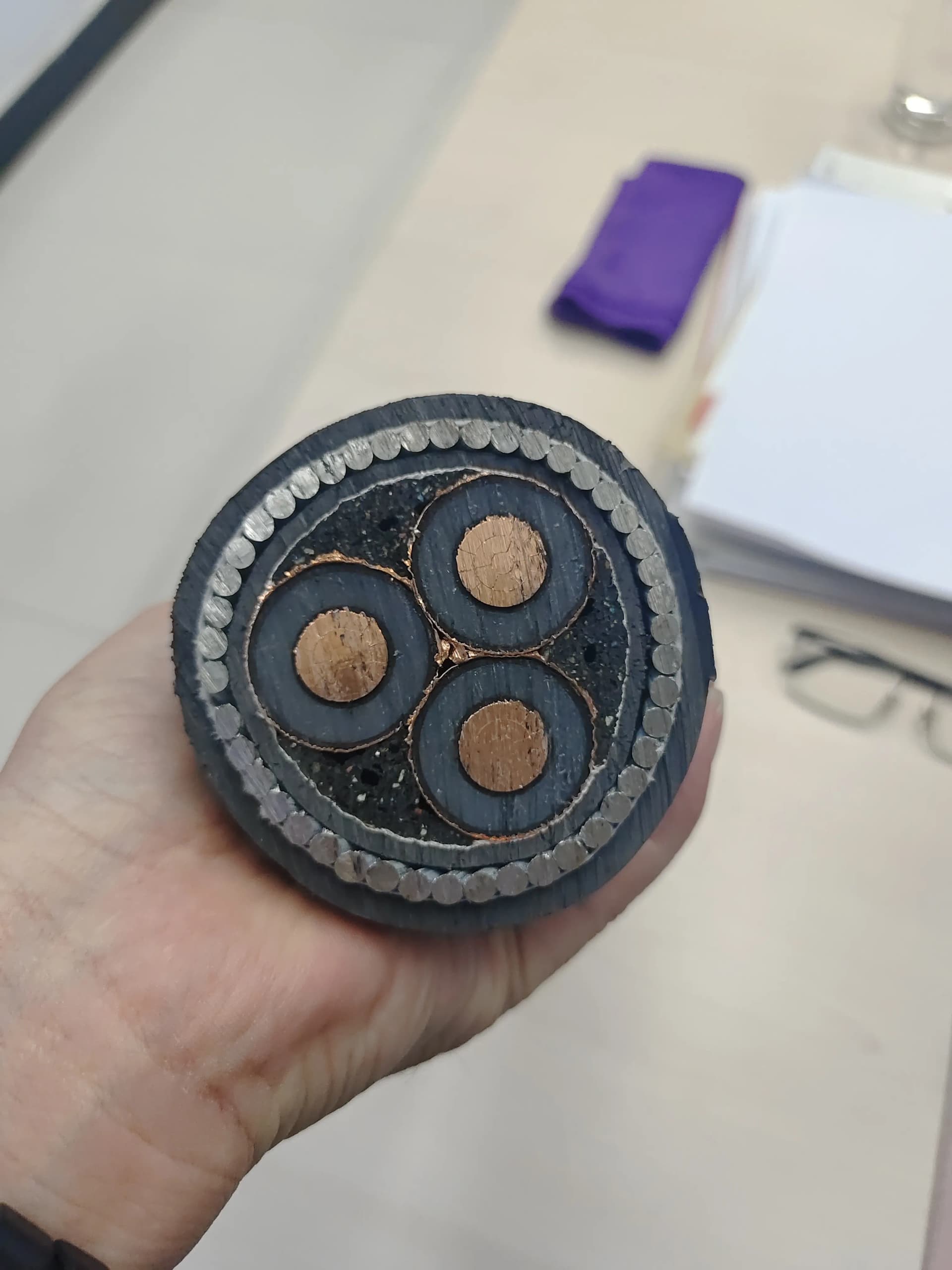
Cost Breakdown: Where Does Your Money Go?
Understanding the cost structure helps you identify where savings are possible and where cutting costs risks quality.
Typical Cost Distribution for 4×95mm² Cu/XLPE/SWA/PVC Cable
| Component | % of Total Cost | Quality Impact if Cut |
|---|---|---|
| Copper conductor | 62–68% | Undersized conductor = overheating, fire risk |
| XLPE insulation | 8–11% | Thin insulation = breakdown under voltage stress |
| Steel wire armour | 7–9% | Fewer/thinner wires = reduced mechanical protection |
| PVC sheathing | 4–6% | Thin sheath = UV/moisture damage, shorter life |
| Bedding/fillers | 2–3% | Poor bedding = insulation damage from armour |
| Manufacturing/testing | 8–12% | Skipped testing = hidden defects, field failures |
Where Legitimate Savings Come From
- Conductor material switch: Copper → Aluminium (where technically appropriate)
- Volume: Larger orders = better factory utilisation = lower per-meter cost
- Standard lengths: Ordering in standard drum lengths (500m, 1000m) vs. custom cuts
- Consolidated shipping: Full container loads (FCL) vs. less-than-container (LCL)
- Payment terms: Advance payment or L/C at sight typically gets better pricing than D/P or open account
Red Flags: Where "Cheap" Cable Costs You More
Beware of abnormally low quotes. Common cost-cutting methods that compromise quality:
- Undersized conductors: Actual cross-section 10–15% below nominal (e.g., selling 87mm² as 95mm²). This is the most common fraud in the cable industry
- Recycled copper: Lower purity = higher resistance = reduced current capacity
- Thin insulation: Saves material but fails voltage withstand testing
- Reduced armour coverage: Fewer steel wires than standard requires
- No testing: Skipping factory acceptance testing (routine tests per IEC 60502)
A cable that costs 20% less but carries 15% less current, fails 5 years early, or causes a fire on-site is not a saving — it is a liability.
How to Get the Best Price on SWA Cable from China
Buying SWA cable factory-direct from China offers significant cost advantages over purchasing through local distributors or trading companies. Here is how to maximise your savings while ensuring quality.
Step 1: Define Your Complete Requirement
Before requesting quotes, prepare a clear cable schedule that includes:
- Exact cable designation (e.g., 4×95mm² Cu/XLPE/SWA/PVC 0.6/1kV)
- Applicable standard (IEC 60502-1, BS 5467, BS 6724, or NFC 33-226)
- Total length required per size
- Preferred drum/coil lengths
- Special requirements (LSZH, fire rating, termite protection, UV resistance)
- Required certifications and test reports
- Delivery destination (for freight calculation)
A complete specification upfront avoids back-and-forth and gets you accurate comparable quotes.
Step 2: Request Factory-Direct Quotes
Key differences between factory pricing and trading company pricing:
| Source | Typical Markup | Advantages | Disadvantages |
|---|---|---|---|
| Factory direct | 0% (base) | Best price, full traceability, custom specs | Minimum order quantities, longer communication |
| Trading company | 10–25% markup | Faster response, handle logistics | Higher cost, less technical depth |
| Local distributor | 30–60% markup | Quick delivery from stock, local support | Highest cost, limited sizes available |
Factory-direct purchasing makes economic sense for orders above approximately 5,000 meters total (can be mixed sizes).
Step 3: Evaluate Quotes Properly
When comparing quotes from different Chinese cable manufacturers, ensure you are comparing like-for-like:
Check these specifications match:
- Conductor class (Class 1 solid vs Class 2 stranded)
- Actual conductor cross-section (request conductor resistance test per IEC 60228)
- Insulation thickness (per IEC 60502-1 Table 2 or BS 7870)
- Number and diameter of armour wires
- Overall cable diameter and weight per km
Request these documents with the quote:
- Technical data sheet (TDS) with full construction details
- Type test reports (if available)
- Factory routine test scope
- Production and delivery timeline
Step 4: Negotiate Volume-Based Pricing
Strategies that work with Chinese cable manufacturers:
- Consolidate orders: Combine multiple cable sizes into one purchase order for total volume discount
- Framework agreements: Commit to annual volume with scheduled call-offs — this secures better pricing and production priority
- Flexible delivery: Allow 4–6 weeks production time instead of demanding rush orders (rush premium is typically 5–10%)
- Standard specifications: Cables built to IEC/BS standards without modifications are cheaper to produce than custom designs
- Payment terms: T/T 30% deposit + 70% before shipment is standard; offering T/T 50% + 50% or full prepayment can secure 2–3% additional discount
Step 5: Factor in Total Landed Cost
The FOB price is not your final cost. Budget for:
| Cost Component | Typical Range | Notes |
|---|---|---|
| FOB cable price | Base | The quoted per-meter price |
| Freight (sea) | USD 60–120/tonne | Varies by destination and container availability |
| Marine insurance | 0.2–0.5% of CIF value | Standard cargo insurance |
| Import duty | 0–10% | Varies by country and HS code (typically 8544.49 or 8544.60) |
| Port charges | USD 200–500/container | THC, documentation, etc. |
| Inland transport | Varies | Last-mile delivery to project site |
Rule of thumb: Total landed cost (CIF + duty + local) typically adds 15–30% to the FOB price, depending on destination country and import regulations.
SWA Cable Price vs Other Armoured Cable Types
How does SWA cable pricing compare to alternative armoured constructions?
SWA vs STA (Steel Tape Armoured)
| Factor | SWA Cable | STA Cable |
|---|---|---|
| Construction | Helical steel wires | Two overlapping steel tapes |
| Mechanical strength | Higher (impact, crush) | Lower (mainly radial protection) |
| Flexibility | More flexible | Less flexible |
| Cost | Baseline | 5–10% cheaper |
| Application | Multi-core, any route | Single-core, straight routes |
When STA saves money: For single-core cables in straight cable trays or direct burial without bends. Not suitable for multi-core cables or installations requiring flexibility.
SWA vs Unarmoured Cable
| Factor | SWA Cable | Unarmoured Cable |
|---|---|---|
| Price difference | Baseline | 20–30% cheaper |
| Direct burial | Yes (standard) | No (requires ducting) |
| Ducting cost | Not needed | USD 2–8/m for duct + installation |
| Total installed cost | Often lower | Often higher (duct + cable + labour) |
Key insight: While unarmoured cable is cheaper per meter, the total installed cost of SWA direct burial is often lower than unarmoured cable in duct, especially for runs over 50 meters. Factor in ducting material, duct installation labour, cable pulling, and jointing when comparing.
SWA vs Armoured Cable with LSZH Sheath
| Factor | SWA/PVC | SWA/LSZH (BS 6724) |
|---|---|---|
| Sheath material | PVC (ST2) | LSZH compound |
| Cost premium | Baseline | +15–25% |
| Fire performance | Standard | Low smoke, zero halogen |
| Required for | Outdoor, underground | Tunnels, metros, buildings, enclosed spaces |
| Standard | IEC 60502-1, BS 5467 | BS 6724, IEC 60332-3 |
Minimum Order Quantities (MOQ) for Factory-Direct SWA Cable
Understanding MOQ helps you plan procurement efficiently. Chinese cable factories have minimum quantities driven by production economics:
Standard MOQ by Cable Size
| Cable Size Range | Typical MOQ | Reason |
|---|---|---|
| 1.5–10mm² | 2,000–5,000m per size | Small cables run fast; setup time is proportionally high |
| 16–50mm² | 1,000–3,000m per size | Medium production speed |
| 70–120mm² | 500–1,500m per size | Slower production, higher material value per meter |
| 150–400mm² | 300–1,000m per size | Slow production, very high material value |
Strategies for Smaller Quantities
If your requirement is below typical MOQ:
- Combine sizes: Order multiple sizes in one PO to reach total volume threshold
- Stock sizes: Some factories maintain limited stock of popular sizes (4×16, 4×25, 4×50, 4×95mm²)
- Accept longer lead time: Factory may batch your order with other similar orders
- Use a consolidator: Trading companies aggregate orders from multiple buyers
Lead Times: From Order to Delivery
Standard production and delivery timelines for SWA cable orders from China:
| Stage | Duration | Notes |
|---|---|---|
| Quote and confirmation | 1–3 days | Depends on specification complexity |
| Deposit payment | 1–5 days | T/T transfer time |
| Raw material procurement | 3–7 days | Copper rod, XLPE compound, steel wire |
| Production | 10–15 days | Standard constructions; large or custom runs quoted separately |
| Factory testing | 2–3 days | Routine tests per IEC 60502 |
| Packing and loading | 1–2 days | Wooden drums, container stuffing |
| Sea freight | 15–45 days | Depends on destination |
| Total (order to site) | 33–80 days | Typical range |
How to Reduce Lead Time
- Confirm specifications early: Avoid changes after production starts
- Pay deposit promptly: Production scheduling begins after deposit receipt
- Accept standard drum lengths: Custom lengths add handling time
- Book freight early: Container availability fluctuates seasonally
Quality Assurance: Ensuring You Get What You Pay For
Price without quality is meaningless. Here is how to verify that your SWA cable meets specifications:
Factory Acceptance Testing (Routine Tests)
Per IEC 60502-1, every drum of cable should undergo:
- Conductor resistance test — Verifies actual conductor cross-section (DC resistance at 20°C per IEC 60228)
- Insulation resistance test — Confirms insulation integrity (minimum values per IEC 60502-1 Table 9, tested at recommended DC voltage)
- High voltage test — AC voltage withstand (3.5kV for 5 minutes for 0.6/1kV cable)
- Armour continuity — Confirms armour is electrically continuous
Additional Tests for Critical Orders
| Test | Standard | What It Verifies |
|---|---|---|
| Hot set test | IEC 60811-507 | XLPE cross-linking degree |
| Tensile and elongation | IEC 60811-501 | Insulation/sheath mechanical properties |
| Oxygen index | IEC 60332-1 | Single cable flame resistance |
| Bunch burning | IEC 60332-3 | Multi-cable fire performance |
| Ageing test | IEC 60811-401 | Long-term material stability |
Third-Party Inspection
For large orders or first-time suppliers, consider:
- Pre-production inspection: Verify raw materials before production starts
- During-production inspection: Witness critical processes (armouring, testing)
- Pre-shipment inspection: Full visual inspection, dimension checks, test report review
- Reputable inspection firms operating in China include SGS, BV (Bureau Veritas), and TÜV
Cost of third-party inspection is typically USD 300–500 per man-day — negligible compared to the risk of receiving non-compliant cable.
Frequently Asked Questions
How much does 4-core 25mm SWA cable cost per meter?
The price of 4×25mm² copper SWA cable depends on the current LME copper price, insulation type (PVC or XLPE), applicable standard, and order volume. Factory-direct pricing from China is significantly lower than distributor pricing in most countries. Contact us for a current quotation with your specific requirements and quantity.
Is copper or aluminium SWA cable cheaper?
Aluminium SWA cable is approximately 50–65% cheaper per meter than copper SWA of the same cross-section. However, aluminium requires a larger cross-section (approximately 1.6× copper) for equivalent current rating. After size adjustment, aluminium SWA typically offers 30–45% net savings for equivalent electrical performance.
What is the minimum order for SWA cable from China?
Our own minimum is 500–1,000 metres per size for standard constructions and 2,000–5,000 metres for custom specifications. Combining multiple cable sizes into one purchase order helps meet the threshold, and mixed sizes ship in one container. Other factories set their floors differently — some by tonnage, some by drum — so ask for the figure in metres against your actual sizes.
How long does delivery take for SWA cable from China?
From order confirmation to delivery at your site, typical lead time is 33–80 days on the full chain shown in the table above — that figure includes deposit transfer, raw material procurement and sea freight, not just manufacturing. The manufacturing portion is 10–15 days for standard constructions, plus 2–3 days routine testing. Sea freight is 15–45 days depending on destination and is usually the largest single block. Rush production is available at 5–10% premium.
Why are some SWA cable quotes much cheaper than others?
Abnormally low prices usually indicate quality compromise: undersized conductors, thin insulation, recycled materials, or skipped testing. Always request a detailed technical data sheet and verify conductor resistance values. A reputable manufacturer provides full test reports and welcomes third-party inspection.
Does SWA cable price include delivery?
Most Chinese manufacturers quote FOB (Free On Board) prices, which include delivery to the Chinese port but not sea freight, insurance, or customs. Request CIF pricing if you want the manufacturer to arrange freight to your destination port. Total landed cost (CIF + duty + local transport) typically adds 15–30% to FOB price.
Can I negotiate SWA cable prices?
Yes. Volume discounts (3–15%), payment term adjustments (2–3% for prepayment), framework agreements for annual supply, and consolidated orders all provide leverage for price negotiation. The most effective negotiation tool is a clear, complete specification with confirmed quantities.
Get a Factory-Direct Quote for SWA Cable
We manufacture the full range of SWA cable from 1.5mm² to 400mm², in 2-core to 5-core configurations, to IEC 60502, BS 5467, and BS 6724 standards. Our factory produces over 50,000 km of armoured cable annually with complete testing facilities and international certifications.
What we need from you for an accurate quote:
- Cable specification (size, cores, voltage, standard)
- Total quantity per size
- Delivery destination
- Required delivery date
- Any special requirements (LSZH, fire rating, specific markings)
Request your SWA cable quotation now →
Related articles in this series:
- SWA Cable Installation Guide: Burial Depth, Gland Selection & Methods
- SWA Cable Sizing Guide: Current Ratings & Voltage Drop
- SWA Cable Complete Guide: Sizes, Current Rating & Specifications
- 4-Core Armoured Cable: SWA vs STA Specifications
- Armoured Cable vs Non-Armoured Cable: When to Use Each
- Underground Power Cable Types & Installation Guide