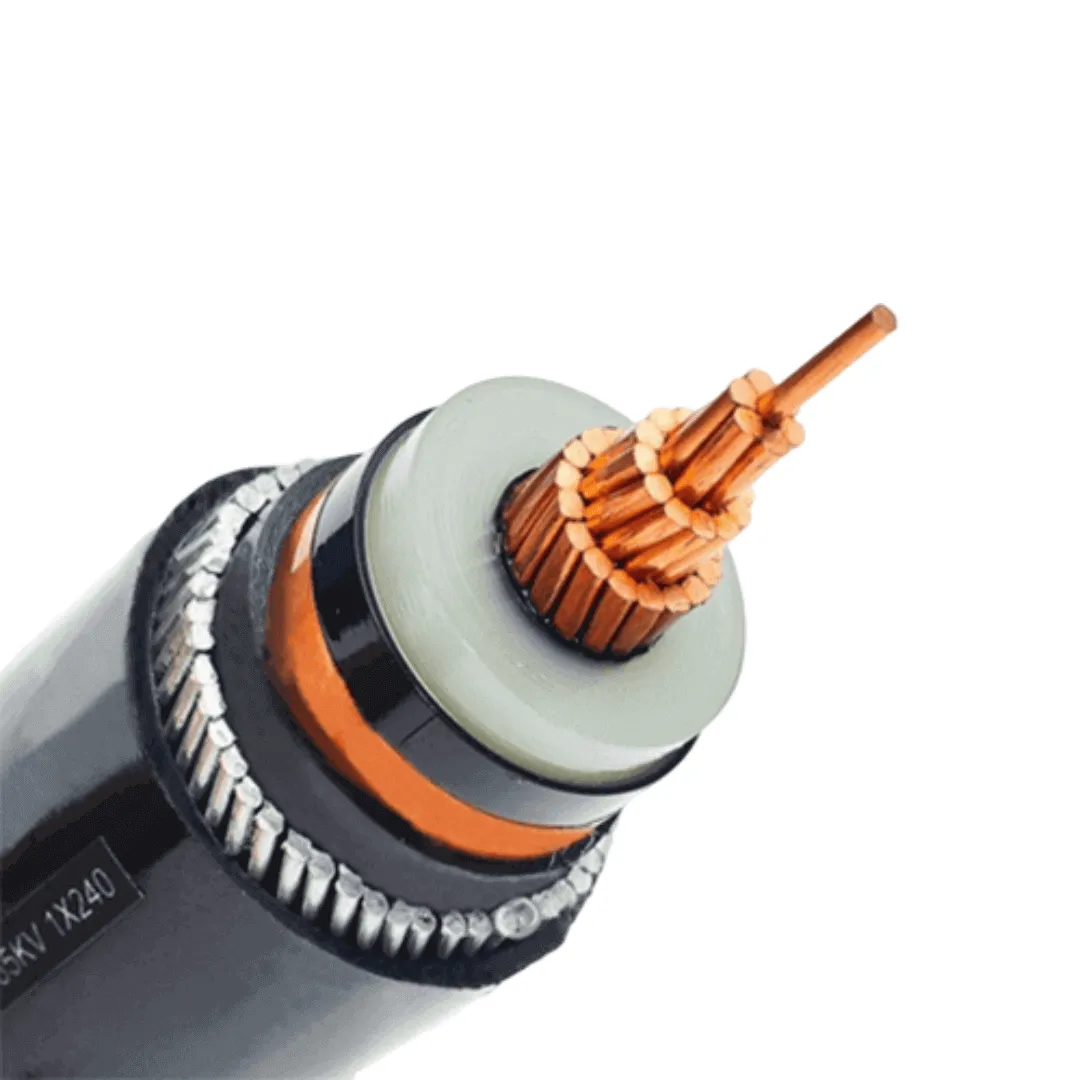
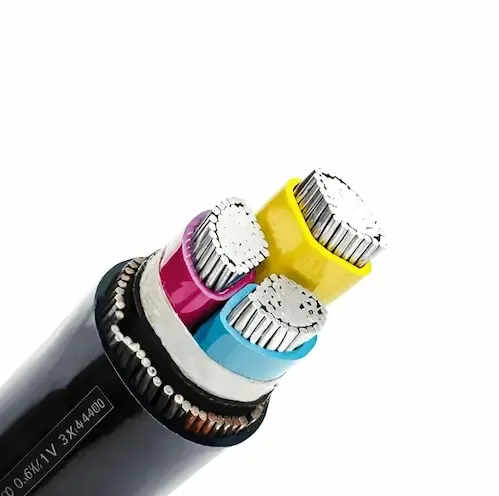
Key Takeaway
Prysmian vs Chinese cable factory comparison: pricing, quality verification, lead times for XLPE and armoured cable. Data-driven guide for EPC contractors and distributors sourcing alternatives.
Prysmian Group (Milan, Italy) is the world's largest cable manufacturer with €17.0 billion in revenue and operations in 50+ countries. When your project specification lists "Prysmian or approved equivalent," you're dealing with the cable industry's most recognized brand.
But brand recognition doesn't change physics. A 4×240mm² XLPE/SWA cable manufactured to IEC 60502-1 performs identically whether it comes from Prysmian's factory in Livorno, their plant in Suzhou (China), or an independent Chinese manufacturer in Henan. The copper is the same grade. The XLPE compound is from the same suppliers. The cross-linking chemistry is the same. The testing standard is the same.
What differs is the price — and for standard LV/MV cable (0.6/1kV to 35kV), that difference is 30-42%.
This article breaks down exactly where Prysmian commands a justified premium and where Chinese manufacturers deliver equivalent value at lower cost.
Prysmian vs Chinese Manufacturers: The Numbers
| Metric | Prysmian | Top Chinese Manufacturers |
|---|---|---|
| Global revenue | €17.0B (2024) | ¥1B–60B per manufacturer |
| Cable types produced | All (telecom, energy, submarine) | Energy cable focus (most) |
| XLPE voltage capability | Up to 525kV | Up to 220kV (ZTT/Hengtong) / 35kV (mid-tier) |
| Manufacturing locations | 50+ countries | China-based, some with overseas plants |
| R&D spend | €220M+ annually | Varies widely |
| Submarine cable | Global leader | ZTT, Hengtong only |
| LV/MV cable pricing | Premium (brand + overhead) | 30-42% lower on equivalent specs |
The Prysmian Premium: What You're Paying For
Justified Premium (Worth Paying)
High-voltage and submarine cable (110kV+): Prysmian's HV technology, jointing systems, and installation fleet represent decades of R&D that few manufacturers can replicate. For 132kV submarine crossings or 220kV underground transmission, Prysmian (and Nexans, NKT) remain the safe choice.
Turnkey cable system design: For complex routing involving transition joints, terminations, thermal monitoring, and installation engineering, Prysmian's systems approach delivers genuine value.
Global warranty and after-sales: Prysmian's local presence in 50+ countries means warranty claims are handled locally. If a cable fails in Nigeria, their Lagos office manages the response.
Unjustified Premium (You're Overpaying)
Standard LV/MV XLPE cable (0.6/1kV to 35kV): This is commodity product. The manufacturing process is mature, well-understood, and replicated in hundreds of factories worldwide. Prysmian's premium on these products funds their R&D, submarine fleet, and executive compensation — not better cable.
Armoured cable (SWA/STA): Steel wire and steel tape armour over XLPE insulation is standard engineering. No proprietary technology exists here.
Control cable, building wire, ABC cable: Basic products where Chinese manufacturers have been cost-competitive for decades without quality concerns.
Price Comparison: Prysmian vs China Factory Direct
Southeast Asian Market (CIF Ho Chi Minh / Manila / Dhaka)
| Cable Specification | Prysmian Distributor Price | Chinese Factory (CIF) | Your Saving |
|---|---|---|---|
| 4×70mm² Cu XLPE/SWA 0.6/1kV | $14-17/m | $9-11/m | 32-38% |
| 4×185mm² Cu XLPE/SWA 0.6/1kV | $35-40/m | $22-27/m | 30-37% |
| 3×120mm² Cu 8.7/15kV XLPE/SWA | $48-55/m | $30-36/m | 34-40% |
| 1×500mm² Cu XLPE 12/20kV | $58-68/m | $38-45/m | 33-40% |
South American Market (CIF Santos / Callao)
| Cable Specification | Prysmian Distributor Price | Chinese Factory (CIF) | Your Saving |
|---|---|---|---|
| 4×95mm² Cu XLPE/SWA 0.6/1kV | $19-23/m | $13-16/m | 28-35% |
| 3×240mm² Cu XLPE 0.6/1kV | $32-38/m | $20-25/m | 32-38% |
| 3×95mm² Cu 12/20kV XLPE/SWA | $42-50/m | $27-33/m | 34-40% |
Note on pricing methodology: Prysmian prices based on regional distributor quotations (2025-2026). Chinese factory prices are FOB China + estimated freight. Actual prices fluctuate with copper (LME) and currency rates. These ranges represent typical market conditions.
Prysmian's China Operations: The Irony
Here's what most buyers don't realize: Prysmian manufactures cable in China and sells it under the Prysmian brand.
Prysmian Group operates production facilities in:
- Suzhou, Jiangsu (energy cable)
- Shanghai (specialty cable)
- Tianjin (inherited from General Cable acquisition)
Cable produced in these Chinese Prysmian plants is sold at Prysmian pricing — despite being manufactured in the same Chinese industrial zones, using the same labor pool, and often sourcing from the same material suppliers as independent Chinese manufacturers.
What this means for you: When someone argues "Chinese cable is inferior," remind them that Prysmian trusts Chinese manufacturing for their own brand production. The issue was never China's manufacturing capability — it's about individual factory quality control, which varies regardless of country.
Qualification Process: Replacing Prysmian with Chinese Supply
For EPC Contractors
If you're an EPC contractor with Prysmian on your approved vendor list and want to add a Chinese manufacturer:
-
Submit manufacturer qualification package to your client/consultant:
- Factory profile and history
- ISO 9001 certificate
- IEC 60502 type test report (CNAS or KEMA accredited)
- Reference project list
- Product sample (if requested)
-
Key selling points for your technical committee:
- Same IEC standard compliance (show the type test report)
- Same raw materials (name the XLPE compound supplier)
- Third-party inspection available (SGS/BV/Intertek)
- Cost saving funds additional project scope
- Prysmian itself manufactures in China (undercuts the "Chinese = inferior" argument)
-
Risk mitigation commitments:
- Full pre-shipment inspection by international inspector
- Retained sample for each production batch
- Extended warranty matching Prysmian's terms
For Distributors
If you're a cable distributor currently buying Prysmian for resale:
- Dual-sourcing strategy: Keep Prysmian for clients who insist on the brand; add Chinese supply for price-sensitive customers
- Private label option: Many Chinese manufacturers supply cable under your brand with custom printing — your clients see your brand, not "Made in China"
- Margin improvement: Even after freight and duties, Chinese cable gives you 15-25% higher margins than Prysmian distribution
Technical Deep-Dive: Where Quality Actually Varies
Not all Chinese manufacturers are equal. Here's what separates the good from the problematic:
Red Flags (Avoid These Suppliers)
- Cannot provide IEC 60502 type test report from a CNAS-accredited lab
- Uses domestic Chinese XLPE compound (not Borealis/Dow/Hanwha) — increases partial discharge risk
- Has no CCV line — may be producing "XLPE" cable with silane cross-linking only (acceptable for LV, questionable for MV)
- Quotes significantly below market (>50% below Prysmian usually means corner-cutting)
- Trading company pretending to be a factory — verify the manufacturing address
Green Flags (Reliable Suppliers)
- 10+ years export history with verifiable shipment records
- CNAS-accredited type test reports showing PD ≤ 5pC (MV cable)
- Named XLPE compound supplier (Borealis LE4201R or equivalent)
- CCV extrusion line from recognized manufacturer (Maillefer, Rosendahl, or quality Chinese equivalent)
- In-house testing lab with partial discharge measurement capability
- Willingness to accept third-party inspection at their cost
- Multiple destination-country certifications (SASO, ESMA, KEBS, etc.)
Regional Considerations
Southeast Asia (Vietnam, Philippines, Malaysia)
Prysmian has limited direct presence in ASEAN markets. Most supply comes through distributors in Singapore or regional offices. Chinese cable is already dominant here — geographic proximity (7-15 day shipping), ACFTA tariff preferences, and 30%+ cost advantage make the case clear.
Local approvals: EVN (Vietnam), MERALCO (Philippines), TNB (Malaysia) all accept IEC-certified Chinese cable. Many have Chinese manufacturers on their approved vendor lists.
South America (Brazil, Colombia, Chile)
Prysmian has local manufacturing in Brazil (Prysmian Group Brazil) and is a major force in the market. However, Chinese cable imports have grown significantly, particularly for:
- Mining cable (Chile, Peru)
- Power distribution (Brazil — INMETRO certified)
- Industrial projects (Colombia — RETIE certified)
Import consideration: Brazil's INMETRO certification is mandatory. Established Chinese exporters handle this routinely, but it adds 2-3 months to first-time supply. Factor this into planning.
Middle East & Africa
Prysmian supplies through regional partners and project offices in UAE, Saudi Arabia, and Egypt. Chinese manufacturers are well-established competitors here — particularly for XLPE cable going into new power distribution projects funded by Gulf development agencies.
Dubai as a hub: Many Chinese manufacturers maintain sales representatives or stock in Jebel Ali Free Zone, reducing the perceived risk of buying "direct from China."
The Verdict: When to Choose Each
| Buying Scenario | Recommended Source | Why |
|---|---|---|
| LV XLPE cable, standard specs, cost-sensitive | Chinese manufacturer | 30%+ savings, identical product |
| MV cable (up to 35kV), IEC spec | Chinese manufacturer | Same quality, significant savings |
| HV cable (66kV+), critical infrastructure | Prysmian or ZTT/Hengtong | Advanced technology required |
| Submarine cable | Prysmian | Few alternatives with installation capability |
| Client mandates "Prysmian only" | Prysmian | Don't fight the spec (negotiate next time) |
| Distributor restocking standard inventory | Chinese manufacturer | Better margins, private label option |
| EPC contractor, competitive bid | Chinese manufacturer | Lower cable cost = more competitive tender |
Get a Prysmian-Equivalent Quote from China
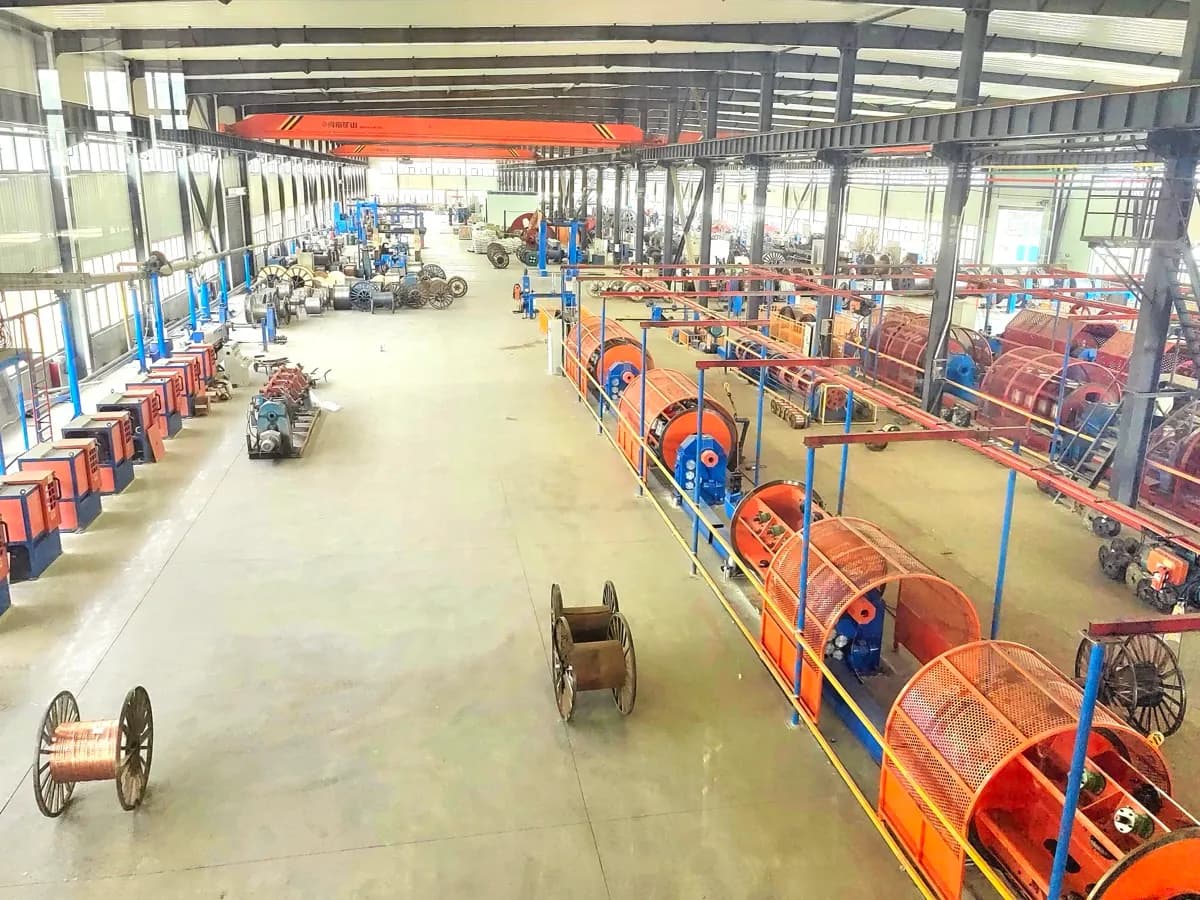
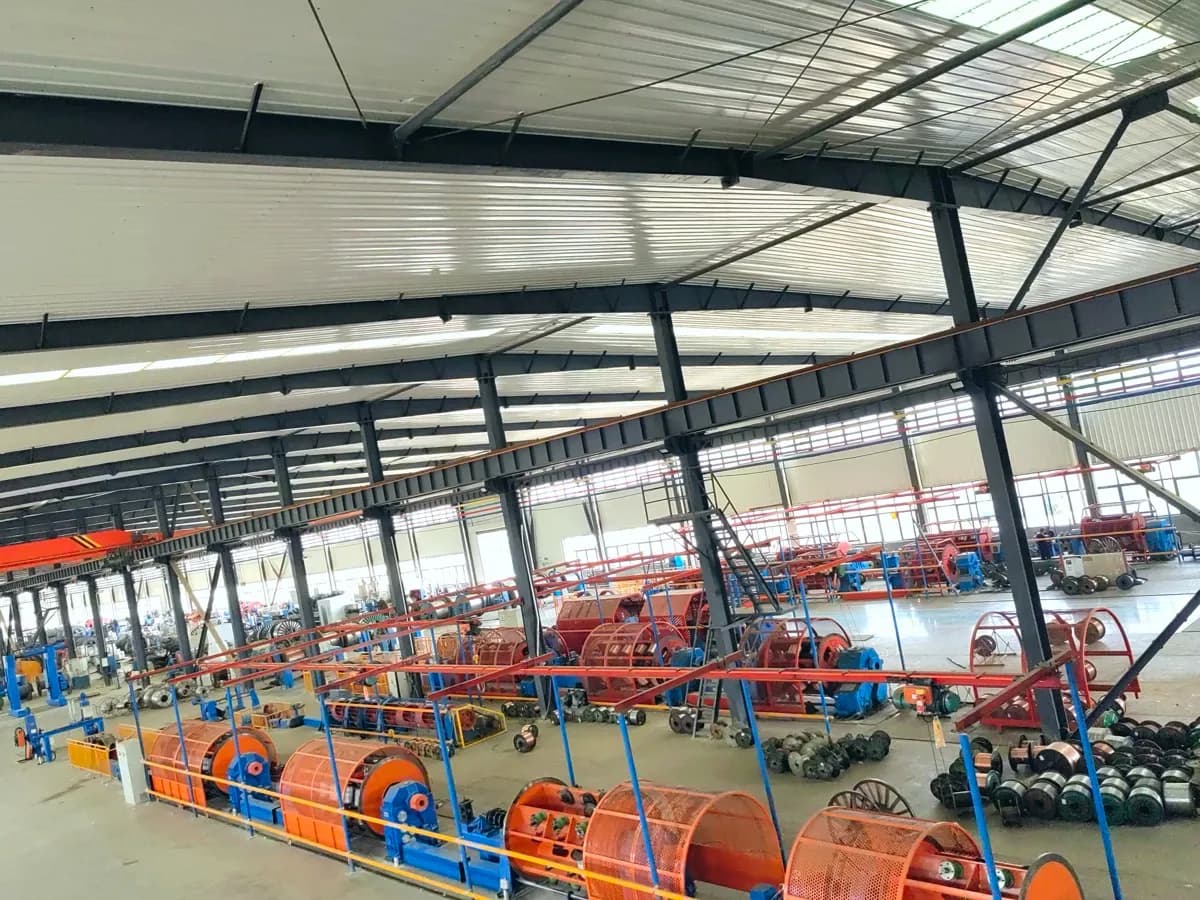
Huanghe Cable (China Cable Factory) produces IEC 60502 XLPE power cable at our 60-line factory in Henan, China. For standard LV and MV cable specifications up to 35kV, our product is technically equivalent to Prysmian's standard range at 30-35% lower cost.
What we provide:
- Like-for-like quotation against your Prysmian specification (within 24 hours)
- IEC 60502 type test report for your technical review
- Factory audit arrangement (in-person or video)
- Third-party inspection coordination (SGS, BV, Intertek)
- Export packing with custom cable marking per your requirement
- Shipment to 60+ countries with established logistics routes
Send us your Prysmian PO or specification → Get a comparative quote. No obligation, no pressure. Just data to help you make a better procurement decision.
Related Articles
- Nexans Cable vs Chinese Manufacturers: Full Comparison
- Top 10 XLPE Cable Manufacturers in China [2026 Ranked]
- How to Import Cable from China: Step-by-Step Guide
- XLPE Cable Price Per Meter: Cost Factors Explained
- Southwire vs Chinese Cable Manufacturers — US market brand comparison
- XLPE Power Cable Manufacturer Guide — full technical specifications
- 3 Phase Power Cable Sizes & Specifications — LV cable sizing reference
- Cable Supplier to Philippines
- Cable Supplier to Vietnam
- Cable Supplier to Malaysia
Frequently Asked Questions
Is Prysmian cable worth the premium over Chinese cable?
For standard LV/MV XLPE cable (0.6/1kV to 35kV), no. The premium pays for brand overhead, not better engineering. For HV cable (110kV+) and submarine cable, Prysmian's premium reflects genuine technological advantage and is often worth paying.
How much can I save by switching from Prysmian to Chinese cable?
Based on market data from 2025-2026: 30-42% on equivalent IEC 60502 cable, depending on specification and destination. The saving comes from lower manufacturing costs, not lower quality materials.
Will my insurance cover Chinese-manufactured cable?
Yes, provided the cable meets the relevant IEC/BS/NFC standard and has a valid type test report from an accredited laboratory. Insurance underwriters care about standards compliance, not brand names. Document your quality verification process (type test reports, inspection certificates) for your records.
Can Chinese manufacturers produce Prysmian-equivalent fire-resistant cable?
Yes. Fire-resistant cable to IEC 60331 and LSZH cable to IEC 60332 are standard production for established Chinese manufacturers. These fire performance standards are well-defined — a cable either passes or fails the test, regardless of who makes it.
What about Prysmian's patented cable designs?
Prysmian holds patents on specialty products (P-Laser, submarine cable systems, specific HV accessories). For standard XLPE power cable produced to IEC 60502, there are no relevant patents — the design is defined by the international standard and is open.
How do I convince my procurement committee to try Chinese cable?
Frame it as dual-sourcing, not replacement:
- Propose a trial order for non-critical cable (building service, lighting circuits)
- Arrange third-party inspection to prove quality
- Document the cost saving and present it as "equivalent performance, lower cost"
- Reference Prysmian's own Chinese manufacturing operations
- Start with LV cable (lower risk perception) before proposing MV cable switch
Industry Trend: The Decline of Brand-Based Cable Procurement
The global cable industry is moving from brand-based to performance-based procurement. This shift is driven by:
Standardization: IEC standards define cable performance precisely. When the standard specifies conductor resistance, insulation thickness, and partial discharge limits, the cable either meets the standard or it doesn't. Brand doesn't add performance above what the standard requires.
Transparency: Type test reports, factory audits, and third-party inspection make cable quality verifiable. You no longer need to trust a brand name — you can verify performance directly.
Market maturity: Chinese cable exports have reached the point where millions of kilometers are in service globally without elevated failure rates. The historical fear of "Chinese quality" is based on 2005-era experiences that don't reflect current manufacturing.
Cost pressure: Infrastructure budgets are finite. The 30-40% cost difference between Prysmian and Chinese cable represents real project value — additional grid coverage, better substation equipment, or simply a more competitive tender bid.
Procurement professionalism: Modern procurement teams evaluate total cost of ownership, not just brand reputation. When the data shows equivalent quality at lower cost, the decision becomes straightforward.
Case Study Framework: Cost Impact on a Typical Project
Consider a medium-scale power distribution project requiring:
- 50 km of 4×185mm² Cu XLPE/SWA 0.6/1kV cable
- 20 km of 3×95mm² Cu 8.7/15kV XLPE/SWA cable
- 30 km of 4×16mm² Cu PVC/PVC control cable
Prysmian pricing (CIF Southeast Asia):
- LV cable: 50,000m × $37/m = $1,850,000
- MV cable: 20,000m × $51/m = $1,020,000
- Control cable: 30,000m × $5.5/m = $165,000
- Total: $3,035,000
Chinese manufacturer pricing (CIF same port):
- LV cable: 50,000m × $24/m = $1,200,000
- MV cable: 20,000m × $32/m = $640,000
- Control cable: 30,000m × $3.5/m = $105,000
- Total: $1,945,000
Saving: $1,090,000 (36%)
Add third-party inspection cost ($2,000-5,000) and you still save over $1 million. That funds an additional 30+ km of LV cable or a complete substation upgrade.
This is why experienced EPC contractors and utilities are systematically qualifying Chinese manufacturers — the mathematics are compelling and the quality data supports the decision.
Logistics and Shipping: China to Your Project Site
One perceived advantage of Prysmian is local availability. Here's the reality of shipping cable from China:
Transit Times from Chinese Ports
| Destination | Port | Sea Freight (days) | Total (Production + Shipping) |
|---|---|---|---|
| Vietnam | Ho Chi Minh | 5-8 | 20-33 days |
| Philippines | Manila | 7-10 | 22-35 days |
| Malaysia | Port Klang | 5-7 | 20-32 days |
| Bangladesh | Chittagong | 12-15 | 27-40 days |
| Saudi Arabia | Jeddah/Dammam | 18-22 | 33-47 days |
| UAE | Jebel Ali | 16-20 | 31-45 days |
| Kenya | Mombasa | 22-28 | 37-53 days |
| Nigeria | Lagos/Apapa | 28-35 | 43-60 days |
| Brazil | Santos | 30-38 | 45-63 days |
Shipping Cost as Percentage of Cable Value
Cable is heavy and bulky, but the shipping cost as a percentage of total value is lower than most people expect:
- LV cable (4×185mm² Cu): Freight adds approximately 3-6% to FOB price
- MV cable (3×95mm² 15kV): Freight adds approximately 2-4% to FOB price
- Control cable: Freight adds approximately 8-12% (lighter weight per dollar value)
Even after freight and destination duties, Chinese cable maintains a 20-35% cost advantage over Prysmian distributor pricing in most markets.
Container Loading
Standard container capacities for cable on wooden drums:
- 20ft container: 18-22 tons (depending on drum size and cable OD)
- 40ft container: 22-26 tons (weight-limited before volume)
- Flat rack: Required for drums >2.4m diameter (typically MV cable on large reels)
Experienced Chinese exporters optimize container loading to minimize per-meter freight cost. This logistics know-how develops over years of export experience and directly benefits buyers through lower CIF pricing.
Import Duties by Destination
| Country | HS Code (typical) | Import Duty (approx.) | Notes |
|---|---|---|---|
| Vietnam | 8544.60 | 0% (ACFTA) | China-ASEAN FTA eliminates duty |
| Philippines | 8544.60 | 0-3% | ACFTA preferential rate |
| Saudi Arabia | 8544.60 | 5% | GCC common external tariff |
| UAE | 8544.60 | 5% | GCC tariff |
| Nigeria | 8544.60 | 10-20% | Depends on ECOWAS CET classification |
| Kenya | 8544.60 | 25% | EAC tariff (may have exemptions for utilities) |
| Brazil | 8544.60 | 14% | MERCOSUR external tariff |
Duty rates are approximate and subject to change. Verify current rates with your customs broker or destination country customs authority before finalizing cost calculations.
Key insight: ACFTA (ASEAN-China FTA) means zero or near-zero duty for cable imported to Vietnam, Philippines, Malaysia, Thailand, and Indonesia from China. This geographic advantage makes Chinese cable even more competitive in ASEAN markets versus European suppliers who face 5-15% duty.
Next Steps
If you're currently buying Prysmian cable and want to evaluate Chinese alternatives:
- Download our product catalogue — covers all XLPE, armoured, and control cable specifications
- Send us your current Prysmian specification — we'll provide a like-for-like quotation within 24 hours
- Request type test reports — immediate download for standard voltage classes
- Arrange a factory video tour — see our production lines and testing lab in real-time
- Start with a trial order — one container, full third-party inspection, zero risk