Key Takeaway
Southwire cable vs Chinese factory alternatives for THHN, XHHW, MC cable, and power cable. 25-45% cost reduction with same UL/IEC standards. Sourcing guide for North American buyers and exporters.
Southwire Company (Carrollton, Georgia) is North America's largest wire and cable manufacturer, with an estimated $8+ billion in annual revenue and 60+ manufacturing facilities. If you're in the Americas, Southwire is likely your default supplier for everything from building wire (THHN/THWN) to medium voltage power cable.
But the landscape is shifting. Contractors, distributors, and international buyers are increasingly sourcing from Chinese manufacturers — not because Southwire makes bad cable, but because the price gap has become impossible to ignore for standard products manufactured to the same or equivalent standards.
This article covers when Chinese cable makes sense as a Southwire alternative, what standards and certifications to verify, and how to navigate the transition.
Key Difference: Standards Matter More Here
Unlike comparing European manufacturers (Nexans, Prysmian) where IEC standards are universal, Southwire primarily produces to North American standards (UL, CSA, NEC/NFPA). This creates an important distinction:
For Projects Using IEC Standards (International)
If your project is outside North America and specifies IEC 60502, IEC 60228, or BS standards, Chinese manufacturers are a direct alternative. No UL listing required. This covers:
- Middle East infrastructure projects
- African power distribution
- Southeast Asian industrial installations
- South American mining and energy projects
- Caribbean and Central American developments
For Projects Requiring UL/NEC Compliance (North America)
If cable must be UL Listed for installation in the United States or CSA certified for Canada, the options are narrower. Some Chinese manufacturers hold UL certifications for specific product lines, but this requires verification on a case-by-case basis.
Bottom line: For international projects, Chinese manufacturers compete directly with Southwire on equivalent specifications. For US domestic installation, UL listing is mandatory and limits the pool.
Southwire vs Chinese Manufacturers: Company Comparison
| Factor | Southwire | Chinese Manufacturers (Export-Grade) |
|---|---|---|
| Headquarters | Carrollton, Georgia, USA | Various (Jiangsu, Henan, Zhejiang) |
| Founded | 1950 | 1967–1990s (established factories) |
| Annual Revenue | ~$8B+ (private, est.) | ¥1B–60B per manufacturer |
| Employees | 10,000+ | 500–20,000 per manufacturer |
| Primary Standards | UL, NEC, ASTM, ICEA | IEC, GB/T, BS, NFC (some with UL) |
| Distribution | 100+ US locations, immediate delivery | FOB China, 4-8 week total lead time (industry range) |
| Market Focus | North America (90%+) | Global export |
| Product Range | Full (building wire to HV) | Energy cable focus |
Price Comparison: Where Savings Are Real
International Projects (IEC Standard Cable)
For projects outside North America where IEC 60502 applies, Chinese manufacturers offer substantial savings versus Southwire's international/export pricing:
| Cable Type | Southwire Export Price | Chinese Factory (FOB) | Saving |
|---|---|---|---|
| 4×95mm² Cu XLPE/SWA 0.6/1kV | $17-21/m | $11-14/m | 30-38% |
| 3×240mm² Cu XLPE/SWA 0.6/1kV | $45-52/m | $28-35/m | 32-38% |
| 1×300mm² Cu 15kV XLPE | $42-48/m | $26-32/m | 33-40% |
| 3×50mm² Cu PVC/SWA Control | $8-10/m | $5-6.5/m | 35-42% |
North American Market (UL/NEC Cable)
For US domestic use requiring UL listing, the comparison is more nuanced:
| Product | Southwire (US Distribution) | Chinese UL-Listed (if available) | Saving |
|---|---|---|---|
| THHN/THWN-2 (building wire) | Market price (copper-indexed) | Limited supply from China | 10-20% |
| MC Cable (metal clad) | Market price | Very few Chinese suppliers have UL for MC | N/A |
| XHHW-2 (industrial) | Market price | Some Chinese factories hold UL for XHHW | 15-25% |
| MV-105 (medium voltage) | Market price | Few Chinese factories with UL 1072 | 20-30% |
Important: The US market for UL-listed cable from China is smaller than the IEC market. Most Chinese cable export success is in IEC-standard markets. If you need UL-listed cable, verify the specific manufacturer's UL listing on UL's certification database (BFHV, BFHV2 categories).
Southwire's Strengths: Where They Win
Same-Day / Next-Day Delivery
Southwire's distribution network across North America means you can get standard cable shipped same-day from regional warehouses. For urgent needs on US domestic projects, no Chinese supplier can compete on delivery time.
UL/NEC Compliance Built In
Every Southwire product intended for US installation is UL Listed with the certification already done. No verification needed — specify the catalog number, receive compliant cable.
Contractor Relationships and Support
Southwire invests heavily in contractor programs — training, tools (the SIMpull system), technical support hotlines, and credit terms through electrical distributors. This ecosystem has value for domestic contractors.
Made-in-America Requirements
Some US government, military, and utility projects require domestically manufactured cable under Buy American / Buy America provisions. Chinese cable is disqualified regardless of quality or price.
When Chinese Cable Beats Southwire
International EPC Projects (Non-US)
If you're a US-based EPC contractor executing projects in the Middle East, Africa, or Asia, there's no technical or commercial reason to ship Southwire cable overseas when Chinese manufacturers produce equivalent IEC cable at 30-40% less. Your project specification likely calls for IEC standards anyway.
Export Distributors
If you distribute cable to Latin America, Caribbean, or Pacific Island markets, Chinese manufacturers offer:
- IEC-standard cable at better margins than Southwire
- Custom packaging and marking for your brand
- Flexible minimum orders
- Direct container shipping to destination ports
Large-Volume Procurement (International)
For orders exceeding 100,000 meters of standard cable, Chinese manufacturers' production capacity and pricing flexibility outperform Southwire's export division. Their factories are built for export scale.
Mining and Industrial Projects (Global)
Global mining operations (Chile, Peru, DRC, Zambia, Australia) commonly source from China for:
- Mining shovel cable (rubber flexible)
- Power distribution cable (XLPE/SWA for underground)
- Tray cable and control cable for processing plants
- Instrumentation cable
These projects typically specify IEC or AS/NZS standards — well within Chinese manufacturers' capabilities.
Standards Cross-Reference: Southwire to IEC
Buyers transitioning from Southwire (ASTM/UL based) to Chinese cable (IEC based) need to understand the standard equivalencies:
| Southwire Product (US Standard) | IEC Equivalent | Chinese Designation |
|---|---|---|
| XHHW-2 600V | IEC 60502-1 0.6/1kV XLPE/PVC | YJV (Cu) / YJLV (Al) |
| MC Cable 600V (THHN conductors) | Not directly equivalent | SWA/STA armoured with XLPE |
| MV-90 5-35kV (UL 1072) | IEC 60502-2 MV XLPE | YJV22 / YJV32 (MV armoured) |
| THHN/THWN-2 | Not directly equivalent | BV/BVR (building wire) |
| USE-2 / RHW-2 | IEC 60502-1 XLPE | YJV single core |
| Tray Cable (UL 1277) | IEC 60502-1 control cable | KVV / KVVP |
Important note: US standards (ASTM conductor classes, UL flame ratings) and IEC standards are not interchangeable. They specify different insulation thicknesses, conductor tolerances, and test methods. When switching from Southwire to Chinese cable for international use, convert the specification to IEC rather than trying to match US catalog numbers directly.
Practical Buying Guide: Chinese Cable for Southwire Users
Step 1: Determine Your Standard Requirement
- US domestic installation → Must be UL Listed. Verify Chinese supplier's UL file number. Limited options.
- International project (IEC spec) → Direct purchase from Chinese manufacturer. Wide options.
- Export to Latin America → Depends on destination. Mexico: NOM certification. Brazil: INMETRO. Colombia: RETIE. Others: typically IEC.
Step 2: Identify Your Cable Requirements
Convert your Southwire specification to IEC terms:
- Voltage class (600V → 0.6/1kV; 5kV-35kV → 3.6/6kV through 21/35kV)
- Conductor material and size (AWG → mm²)
- Insulation (XLPE is XLPE across both standards)
- Armour requirement (SWA/STA/unarmoured)
- Sheath (PVC or LSZH)
- Any special requirements (fire resistance, oil resistance, UV)
AWG to mm² Quick Reference
| AWG | mm² (Approximate) | AWG | mm² (Approximate) |
|---|---|---|---|
| 14 | 2.5 | 2 | 35 |
| 12 | 4 | 1/0 | 50 |
| 10 | 6 | 2/0 | 70 |
| 8 | 10 | 3/0 | 95 |
| 6 | 16 | 4/0 | 120 |
| 4 | 25 | 250 MCM | 120 |
| 3 | 25 | 350 MCM | 185 |
| 2 | 35 | 500 MCM | 240 |
Step 3: Request Quotations
Contact 2-3 Chinese manufacturers with:
- Full IEC specification (not AWG catalog numbers)
- Required quantity in meters (not feet)
- Delivery terms (FOB / CIF / DDP)
- Certification requirements
- Target delivery date
Step 4: Verify and Order
Follow the same qualification process as with any new supplier:
- Review type test reports
- Consider a factory audit or video tour for first orders
- Arrange third-party inspection for shipment
- Start with a trial container before committing to volume
Huanghe Cable: IEC-Standard Alternative for International Projects
If you currently buy Southwire for international projects (or export distribution) and want to evaluate Chinese alternatives for IEC-standard cable:
Huanghe Cable (China Cable Factory) produces:
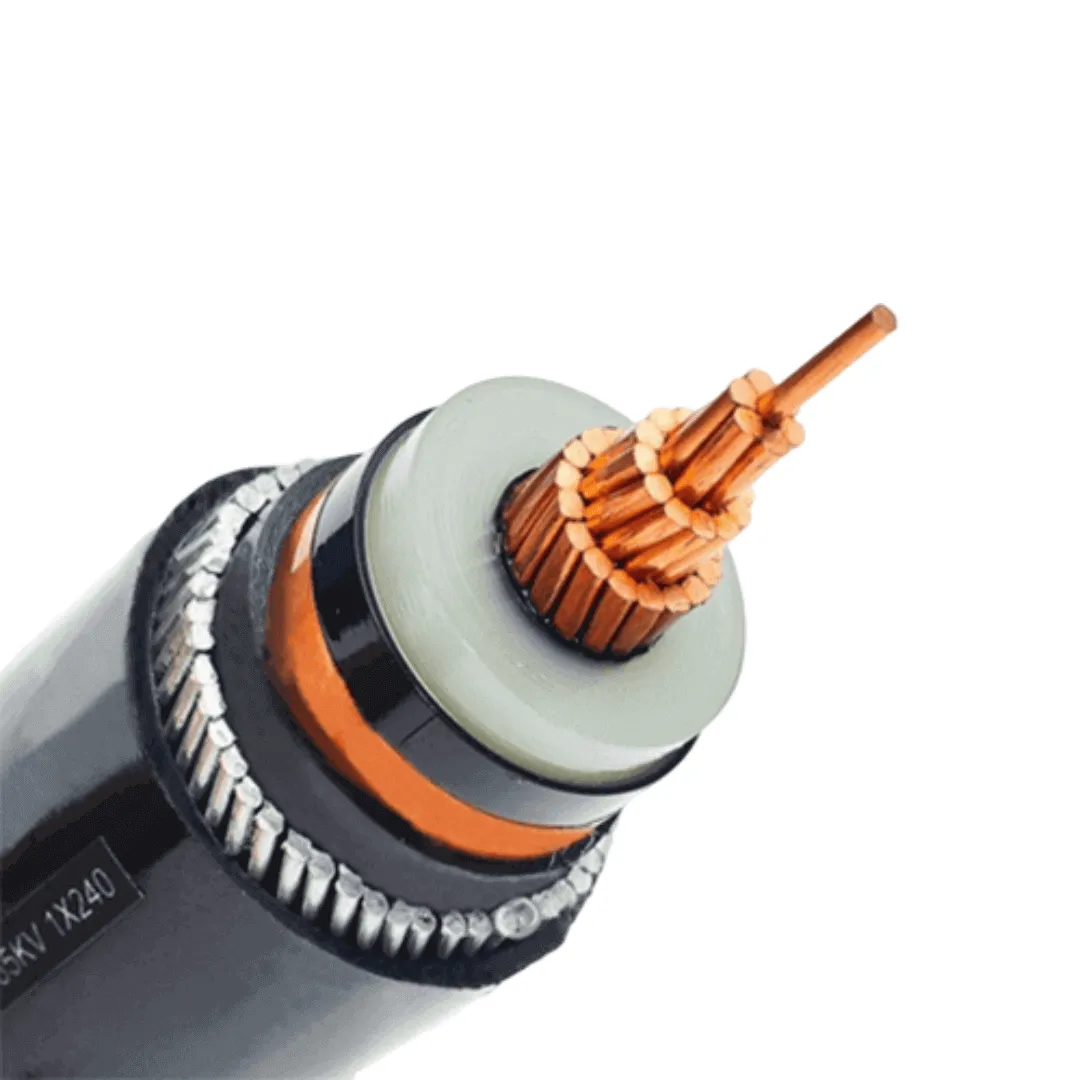
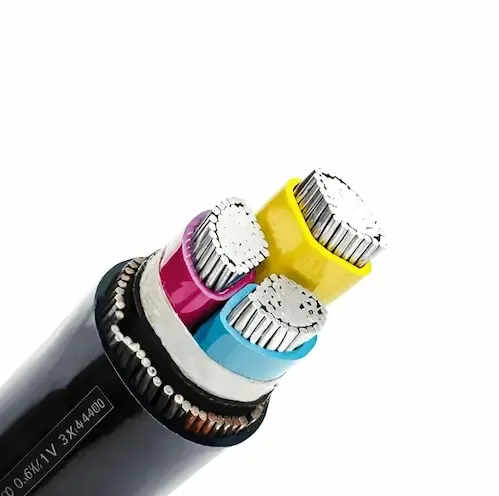
- Full XLPE power cable range: 0.6/1kV to 35kV per IEC 60502-1/2
- Armoured cable: SWA and STA configurations
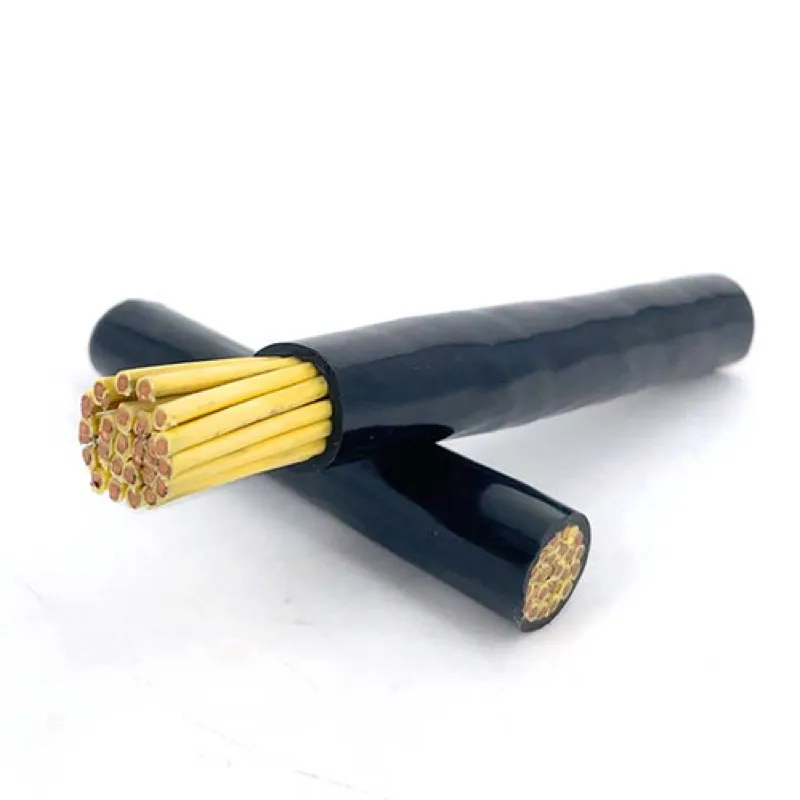
- Control cable: KVV/KVVP/KVVR up to 37-core
- ABC cable (aerial bundled conductor) per IEC 61089
- Bare conductors: ACSR, AAC, AAAC per IEC 61089
Relevance to Southwire users:
- IEC equivalent of XHHW → our YJV series
- IEC equivalent of MV cable → our YJV22/YJV32 series
- IEC equivalent of tray cable → our KVV series
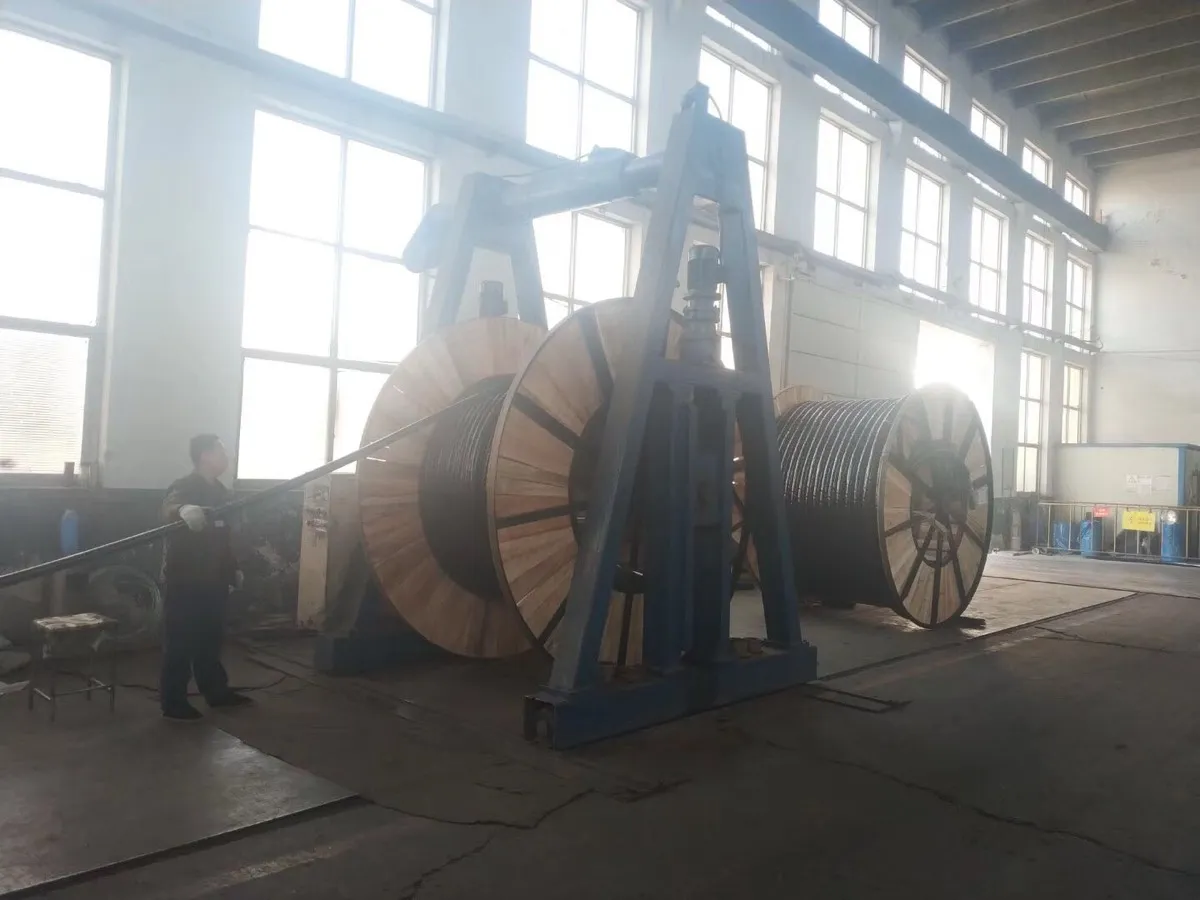
- All produced in our 60-line factory in Henan, China
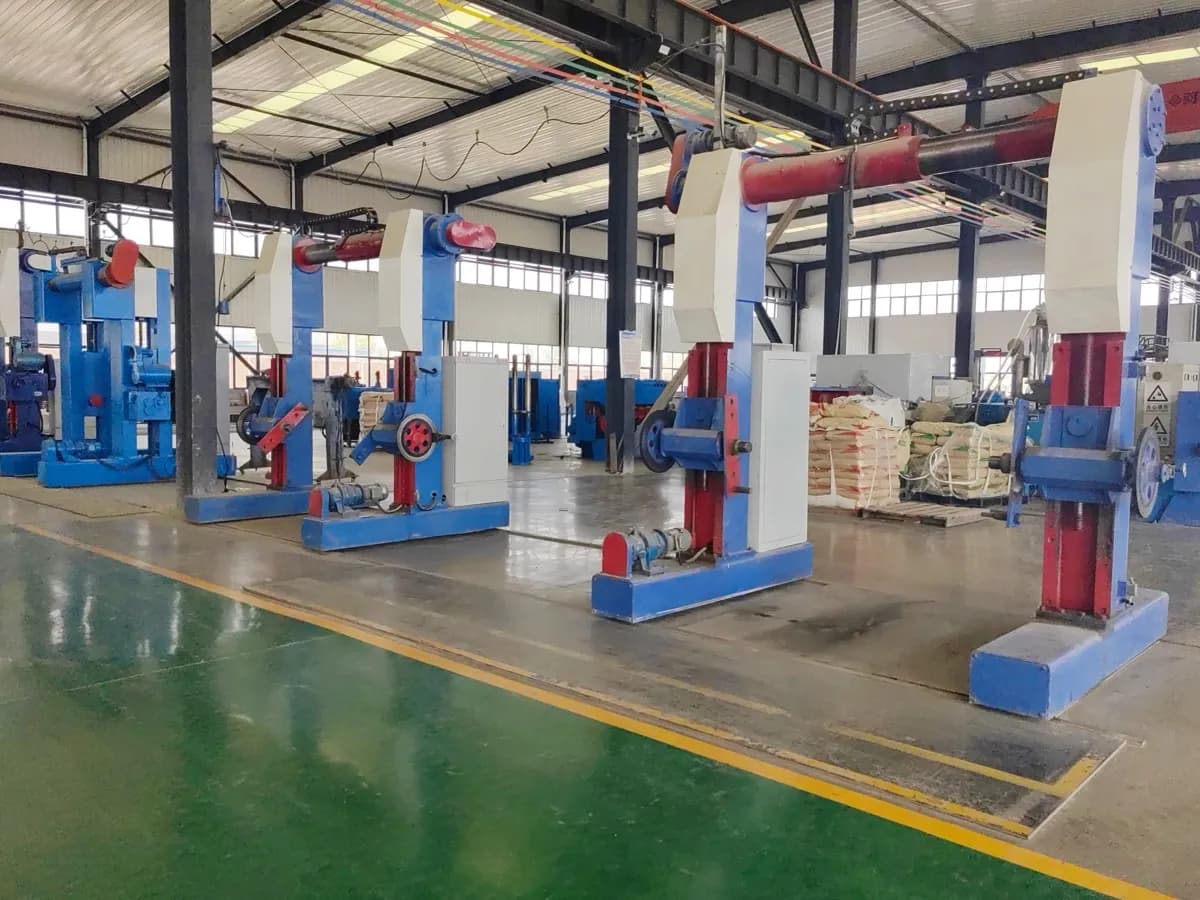
Southwire-to-IEC conversion: Our factory confirms the equivalent IEC specification and returns FOB/CIF pricing within 24 hours.
Related Articles
- Nexans Cable vs Chinese Manufacturers: Full Comparison
- Prysmian vs Chinese Cable Manufacturers: Cost & Quality
- Top 10 XLPE Cable Manufacturers in China [2026 Ranked]
- How to Import Cable from China: Step-by-Step Guide
- XLPE Power Cable Specifications: Complete Guide
- XLPE Cable Price Per Meter — cost breakdown for Chinese cable
- Cable Size Chart: mm², AWG & Ampacity — metric/AWG conversion reference
Frequently Asked Questions
Can I buy Chinese cable for US projects?
Only if the cable is UL Listed. UL listing is mandatory for cable installed in US buildings and infrastructure per the National Electrical Code (NEC). Some Chinese manufacturers hold UL certifications for specific products (THHN, XHHW, MC), but you must verify on UL's Product iQ database before purchasing. For non-US international projects using IEC standards, no UL listing is required.
Is Chinese cable the same quality as Southwire?
For IEC-standard cable: yes, when sourced from established manufacturers with proper certifications. Chinese cable to IEC 60502 uses the same materials (electrolytic copper, Borealis XLPE compound) and is tested to the same standards. For UL-standard products: the UL listing process itself guarantees minimum quality — if it's UL Listed, it meets the same standard as Southwire regardless of origin.
Why is Chinese cable so much cheaper than Southwire?
Several structural factors:
- Labor costs: Chinese factory workers earn ¥6,000-12,000/month vs US cable workers earning $4,000-6,000/month
- Energy costs: Industrial electricity in China ~$0.08/kWh vs US ~$0.12/kWh
- Regulatory overhead: US factories face higher EPA, OSHA, and compliance costs
- Real estate: Industrial land in Henan province costs a fraction of Georgia or Texas
- Scale: Chinese factories often run 24/7 shifts with higher line utilization rates
- No brand premium or US distributor margin (25-40% of retail price for Southwire)
None of these cost factors affect the physical cable — they're manufacturing economy differences.
Does Southwire import from China?
Southwire previously operated a manufacturing facility in Langfang, China, but closed it in December 2023. Their core products are manufactured domestically in the US (60+ facilities across multiple states). As a private company, their sourcing details are not fully public, but their focus remains firmly on the North American market.
What about anti-dumping duties on Chinese cable to the US?
As of 2026, there are anti-dumping and countervailing duties on certain Chinese aluminum and steel products entering the US, but standard copper power cable is not subject to specific anti-dumping orders (verify current tariff status with US Customs, as trade policy changes). Section 301 tariffs (25%+) apply to Chinese electrical cable (HS 8544). Combined with standard MFN duty, Chinese cable entering the US may face 30%+ total tariff, significantly reducing the cost advantage for US domestic use. For international projects shipping directly from China to non-US destinations, no such tariff applies.
How do I handle warranty if I buy Chinese cable instead of Southwire?
Established Chinese manufacturers provide written warranty (typically 5-10 years) backed by:
- Product liability insurance (request certificate of insurance)
- Retained production samples (traceable by batch number)
- Ongoing business relationship (they want repeat orders)
For risk-sensitive buyers: specify third-party inspection and retain drum samples for independent testing if any issues arise during installation or service life.
The Americas Market: Regional Analysis
Latin America (Opportunity Zone for Chinese Cable)
Latin American cable markets are overwhelmingly IEC-standard based. Southwire competes here through its Mexican operations and export division, but Chinese manufacturers have gained significant share:
Mexico: NOM certification required. Several Chinese factories hold NOM for power cable. Southwire's Monterrey plant is the main competitor. Chinese cable enters via Manzanillo and Lázaro Cárdenas ports.
Brazil: INMETRO mandatory. Chinese manufacturers (including Huanghe Cable) can arrange INMETRO certification. The 14% import duty narrows the price gap but doesn't eliminate it.
Colombia: RETIE certification required for electrical products. Chinese manufacturers supply both direct and through local distributors/importers who handle RETIE.
Chile: No mandatory cable certification for industrial/mining use. Chinese cable dominates the mining sector (copper mines buy Chinese cable for underground power distribution — ironic given Chile exports the copper used to make it).
Peru: ITSE/INDECOPI framework. Chinese cable widely used in mining and infrastructure projects.
Caribbean and Central America
Smaller markets where Southwire has limited direct presence. Chinese cable enters through:
- Miami-based distributors/re-exporters
- Direct container shipments to Kingston (Jamaica), Santo Domingo (Dominican Republic), Port-au-Prince (Haiti)
- IEC standards generally apply (some islands use BS standards from colonial era)
These markets are price-sensitive by nature — Chinese cable's 30-40% cost advantage is decisive.
Canada
CSA certification required. Some Chinese manufacturers hold CSA for specific products, but the market is smaller and more regulated. Most Canadian buyers source from Southwire, Nexans, or Belden for domestic installation. For Canadian EPC contractors working internationally, Chinese cable for IEC-standard projects is common.
Making the Decision: Decision Matrix
| Your Situation | Best Source | Reasoning |
|---|---|---|
| US domestic residential/commercial | Southwire | UL mandatory, same-day delivery, contractor ecosystem |
| US domestic industrial (large volume) | Southwire or US-UL Chinese | Price-negotiate with Southwire using Chinese quotes as leverage |
| International EPC (IEC standard) | Chinese manufacturer | 30-40% savings, equivalent quality, no brand premium needed |
| Latin American export/distribution | Chinese manufacturer | IEC standard, significant cost advantage |
| Mining projects (global) | Chinese manufacturer | Cost-competitive, IEC/AS standards, volume flexibility |
| Military/government (Buy American) | Southwire | Legal requirement for domestic origin |
| Caribbean/Central America | Chinese manufacturer | Price-sensitive markets, IEC standard |
| Urgent delivery (US/Canada) | Southwire | Warehouse stock, next-day delivery |
Final Thought
Southwire isn't being "replaced" — they remain the dominant North American cable supplier with unmatched domestic distribution. But for the growing international market, for export opportunities, and for cost-conscious procurement outside the US, Chinese manufacturers offer a compelling alternative that serious buyers can no longer ignore.
The cable doesn't know where it was made. It only knows whether it meets the standard. Verify the standard compliance, inspect the production, and let the data drive your decision.
Get a quote for IEC-equivalent cable →
Shipping and Logistics: China to the Americas
Transit Times
| Destination Port | From Shanghai/Ningbo | From Shenzhen/Guangzhou |
|---|---|---|
| Los Angeles/Long Beach | 14-18 days | 14-18 days |
| Houston | 28-32 days | 28-32 days |
| Miami | 30-35 days | 30-35 days |
| Manzanillo (Mexico) | 18-22 days | 18-22 days |
| Santos (Brazil) | 30-38 days | 35-40 days |
| Callao (Peru) | 22-28 days | 22-28 days |
| San Antonio (Chile) | 25-30 days | 25-30 days |
| Kingston (Jamaica) | 28-33 days | 28-33 days |
Cost Optimization for Americas Buyers
Full Container Load (FCL) is standard — cable weight means you'll typically fill a container weight-wise before running out of volume. Plan orders in multiples of 20-ton increments (approximately one 20ft container).
Consolidation for smaller orders: If your order doesn't fill a container, ask your manufacturer about LCL (Less than Container Load) or consolidation with other shipments to your port. Some Chinese manufacturers maintain stock in US/Mexico free trade zones.
Incoterms recommendation: For first orders, CIF (Cost + Insurance + Freight) gives you a landed cost with insurance included. For repeat orders once you have a freight forwarder relationship, FOB China may be more cost-effective as you control the logistics.
Documentation for customs clearance:
- Commercial invoice (showing unit price per meter, total value)
- Packing list (drum numbers, weights, dimensions)
- Bill of lading
- Certificate of origin (for preferential duty rates under trade agreements)
- Type test report / conformity certificate
- Fumigation certificate (wooden drums require ISPM-15 treatment)