Working to an Indian Specification? Start Here
Most people who arrive here are mid-way through sizing something, not mid-way through a purchase order. That is the right order to do it in, so this section is the technical shortcut before the commercial part.
| If you are sizing | Indian standard | Full tables |
|---|---|---|
| 11 kV / 33 kV MV cable — sizes, current ratings, derating | IS 7098 Part 2 | 11 kV cable size chart and current ratings |
| ACSR overhead conductor — code names, stranding, ratings | IS 398 Part 2 | ACSR conductor complete guide |
| LV cable cross-sections, mm² to amps | IS 1554 Part 1 / IS 694 | Cable size chart: mm², AWG and amps |
| Fire-resistant circuit integrity classes | — (IEC 60331 / BS 6387) | IEC 60331 fire-resistant cable guide |
| ABC for distribution loss reduction | IS 14255 | ABC cable guide |
Three things trip up India-specific enquiries more than anything else:
- Rated voltage, not system voltage. IS 7098 Part 2 covers 3.3 kV to 33 kV in a single part. An enquiry that says "11 kV" without stating Uo/U leaves the insulation thickness undecided — 6.35/11 kV and 8.7/15 kV are different cables at different prices. State it explicitly.
- ACSR code names need verifying, not assuming. Weasel, Rabbit, Dog, Panther, Zebra are in daily use across Indian tenders, but confirm the stranding and overall diameter against IS 398 Part 2 rather than trusting a name across a border.
- IS and IEC are close but not interchangeable on test methods. Substance usually matches; acceptance limits and sample sizes sometimes do not. A report run to the wrong method gets rejected at document review even when the cable is fine.
Once the specification is settled, there is exactly one commercial question that decides whether we can supply it: where will the cable be delivered and installed? India domestic market, an Indian SEZ, or a project outside India. That single answer changes the compliance route completely, and it is the subject of the rest of this page.
India's Cable Demand: What the Numbers Show
India's installed generation capacity reached 520.5 GW as of 31 January 2026 (Central Electricity Authority), with 52% from non-fossil sources. The CEA's National Generation Adequacy Plan (2026-27 to 2035-36) projects capacity more than doubling to 1,121 GW by 2035–36. Every gigawatt added has to be evacuated and distributed, and that is a cable and conductor problem before it is anything else.
India also imports insulated wire and cable at meaningful scale every year, despite having a large and capable domestic cable industry. Imports are therefore not filling a basic capacity gap — they fill specific gaps: voltage classes and constructions with limited domestic supply, project schedules the local order book cannot absorb, and cable destined for Indian-run projects outside India.
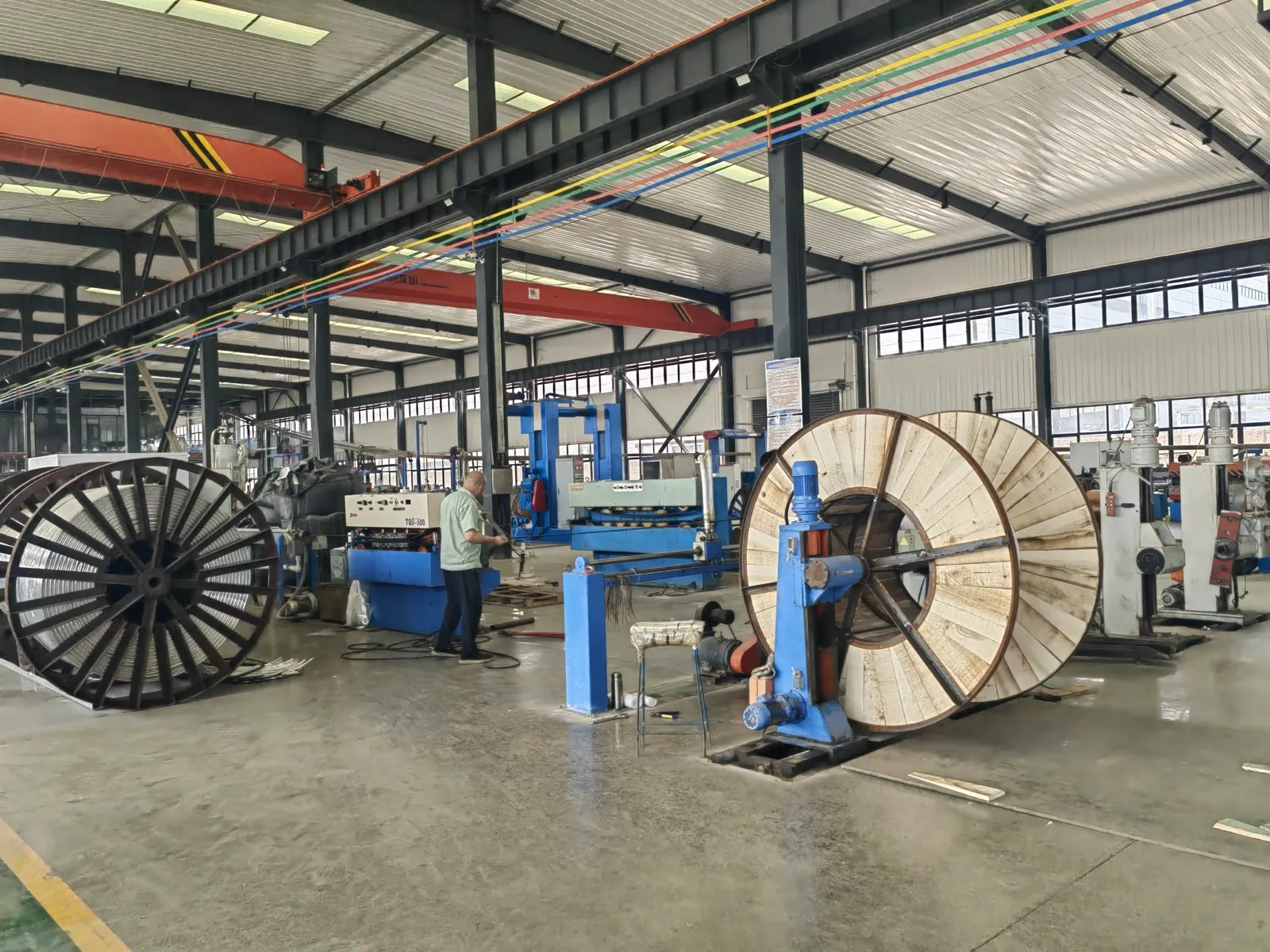
That last category matters more than most exporters realise, and it is where most of our India-linked work sits. When an Indian contractor procures conductor for a substation in Zambia or a transmission line in Saudi Arabia, that cable never enters India and never needs an ISI mark.
So the answer to "can a Chinese factory supply cable for India?" depends entirely on where the cable ends up. Three routes are open to us today and cover most of what Indian buyers actually enquire about. One is not, and we set that out too.
Three Routes Open Now — and One We Cannot Serve Yet
Which route your order falls under changes the compliance work completely, and getting it wrong is the single most common reason a China–India cable order collapses at customs. Three of the four are open to us today.
Route 1 — Indian contractors' overseas projects (no ISI required)
When this applies: an Indian company procures cable for a project outside India. The cable ships from China to the project country and never enters Indian customs territory.
This is the largest and simplest route, and it is chronically under-served. BIS certification governs goods entering the Indian market. It has no bearing on a conductor delivered to Lagos, Dar es Salaam, Riyadh or Jakarta. What governs there is the destination country's regime — IEC as the technical baseline, plus whatever local approval applies (SONCAP for Nigeria, KEBS for Kenya, NRCS for South Africa, SASO for Saudi Arabia).
Indian EPC contractors are global. KEC International has delivered infrastructure in more than 110 countries; Kalpataru Projects International (KPIL) runs transmission and distribution projects across multiple continents. When an Indian contractor procures conductor for a substation in Zambia or a transmission line in Saudi Arabia, that cable never enters India and never needs an ISI mark.
For contractors and trading houses running overseas T&D and electrification work, we supply on the same terms as any other international buyer:
- Full IEC compliance — IEC 60502-1/-2, IEC 61089, IEC 60228, IEC 60332, BS 6387 for fire-resistant classes
- Technical compliance statements written against the tender specification, not generic datasheets
- Third-party inspection and witness testing (SGS, Bureau Veritas, Intertek) at the buyer's nomination
- Direct shipment from Chinese ports to the project country, bypassing India entirely — which also removes Indian import duty from the landed cost
If your specification is written to an IS standard because that is your engineering house style, we can map it to the IEC equivalent and quote against both.
Route 2 — Products outside compulsory QCO scope
When this applies: cable and conductor types that are not covered by a notified Quality Control Order, or that fall under a QCO whose scope excludes your specific construction or voltage class.
This is the one route into the Indian domestic market that is open to us today, so it deserves a clear caveat: it only works where the product genuinely sits outside notified QCO scope, and that has to be established per product, per HS code, at the time of the order.
The QCO list is not static. BIS has notified a large and growing number of Quality Control Orders, and cable categories have been added over successive tranches. What sat outside scope two years ago may be inside it now. We therefore do not publish an "exempt products" list — any such list would be wrong within months, and a buyer relying on a stale list is the buyer whose container gets detained.
What we do instead: for your specific product and HS code, we identify the applicable IS standard and the current QCO position at the time of quotation, with the notification reference, in writing. If the category is covered, we tell you it is covered and we decline the order. We also recommend you have your customs house agent confirm independently — they carry the liability at assessment, and a second opinion costs nothing.
Route 3 — SEZ units, bonded warehousing and re-export
When this applies: cable imported into a Special Economic Zone for authorised operations, held in a bonded warehouse, or brought in for processing and onward export.
Under Paragraph 2.03(A)(iii) of the Foreign Trade Policy 2023, as amended, the QCO exemption extends to SEZ units and developers for permissible goods imported for authorised operations. This aligns the FTP with the SEZ Act 2005 and SEZ Rules 2006.
The condition is strict and worth stating clearly: the exemption holds only while the goods stay within the SEZ for authorised operations. If the cable — or a product manufactured from it — is later removed or cleared into the Domestic Tariff Area, it must comply with all applicable QCOs and BIS requirements at the time of that clearance. The exemption defers the obligation for goods that stay in the zone; it does not delete it.
This route works well for SEZ manufacturing units wiring their own plant, and for EOU/export-oriented operations where the cable leaves India inside a finished product.
Route 4 — ISI-marked cable under BIS licence (not available from us yet)
When this applies: cable sold, stored or installed in the Domestic Tariff Area of India, in a product category covered by a Quality Control Order.
Our BIS registration is in process but not yet approved (status as of August 2026). Until it is granted we cannot supply ISI-marked cable into the Indian domestic market, and we say so here rather than let you find out after a technical evaluation. Under the BIS Act 2016, a foreign manufacturer needs a licence under the Foreign Manufacturers Certification Scheme (FMCS) before ISI-marked product can be imported; a licence is granted per IS standard, not per factory. We will publish the registration number on this page when it is granted, and you are welcome to ask for a status update at any point.
If you need ISI-marked cable inside India today, buy from a source that holds the licence now and verify the registration number on the BIS portal yourself for your specific IS number. No international certification substitutes — KEMA, BASEC, CB and ISO 9001 carry no weight at Indian customs for a QCO-covered product. That is a legal requirement, not a quality judgement.
For everything else, the three routes above are open.
Indian Standards Mapped to IEC Equivalents
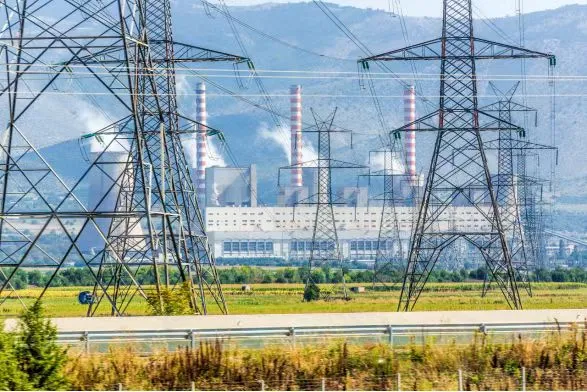
Indian cable standards are closely aligned with IEC, which is why the technical conversation is usually straightforward even when the certification conversation is not. Differences concentrate in conductor size series and a few India-specific test requirements rather than in fundamental construction.
| Indian Standard | Scope | Closest IEC / BS Equivalent |
|---|---|---|
| IS 7098 Part 1 | XLPE insulated cables up to 1100 V | IEC 60502-1 |
| IS 7098 Part 2 | XLPE insulated cables 3.3 kV to 33 kV | IEC 60502-2 |
| IS 7098 Part 3 | XLPE insulated cables 66 kV to 220 kV | IEC 60840 / IEC 62067 |
| IS 1554 Part 1 | PVC insulated heavy duty cables up to 1100 V | IEC 60502-1 (PVC construction) |
| IS 694 | PVC insulated cables and flexible cords up to 1100 V | IEC 60227 |
| IS 398 Part 2 | ACSR — aluminium conductor galvanized steel reinforced | IEC 61089 / ASTM B232 |
| IS 398 Part 4 | AAAC — aluminium alloy stranded conductors | IEC 61089 |
| IS 14255 | Aerial bunched cables up to and including 1100 V | IEC 60502-1 (ABC construction) |
| IS 8130 | Conductors for insulated cables | IEC 60228 |
Two practical notes for engineers working across both systems:
Conductor size series. Indian distribution practice and IEC both use metric cross-sections, so sizes align in most of the range. Where a tender names an Indian ACSR code name (Weasel, Rabbit, Dog, Panther, Zebra) rather than a cross-section, confirm the stranding and overall diameter — code names are widely used but their exact constructions should be verified against IS 398 Part 2 rather than assumed.
Voltage class boundaries differ. IS 7098 Part 2 runs 3.3 kV to 33 kV in one part, where IEC 60502-2 covers 6 kV to 30 kV and hands off above that. For 33 kV work written to IS, state the exact rated voltage (Uo/U) in the enquiry so the insulation thickness is quoted correctly.
If you are here looking for sizing data rather than a supplier, our 11 kV cable specifications and size chart and ACSR conductor complete guide cover the technical detail without a sales conversation.
Products We Supply for India-Linked Projects
Overhead conductors — ACSR, AAC, AAAC
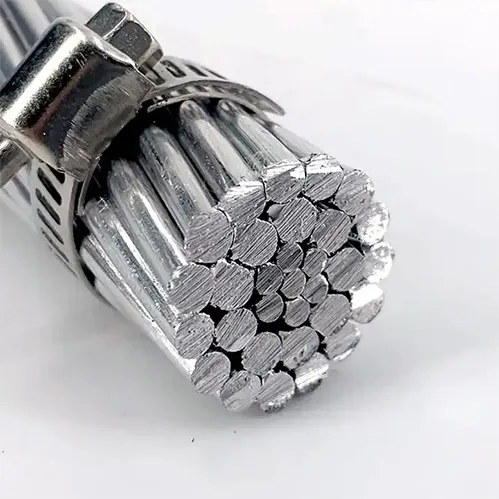
Bare overhead conductor is the highest-volume line for Indian-led transmission work, both domestic 11 kV/33 kV distribution reinforcement and overseas EPC projects. We manufacture to IEC 61089 and ASTM B232, and can quote against IS 398 Part 2 constructions and code names.
Relevant for: transmission line stringing, rural feeder extension, distribution reconductoring.
ACSR conductor · AAC conductor · AAAC conductor
ABC — aerial bundled cable
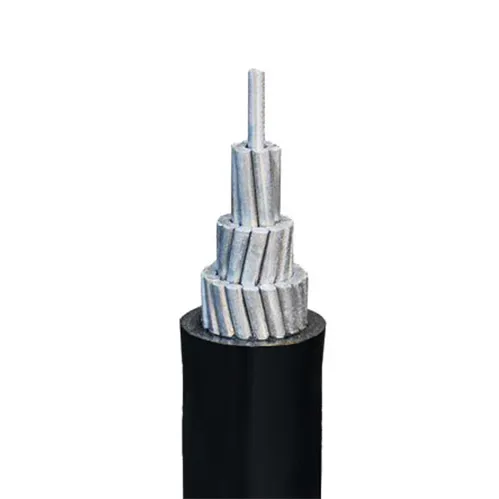
ABC is the standard answer to distribution losses and unauthorised tapping, which is why it appears in loss-reduction programmes across South Asia and Africa. IS 14255 is the Indian standard; construction follows IEC 60502-1 principles with XLPE or PE insulation over aluminium or aluminium alloy conductors.
Relevant for: urban densification, high-loss feeder replacement, rural electrification where right-of-way is tight.
XLPE power cable — 0.6/1 kV to 33 kV
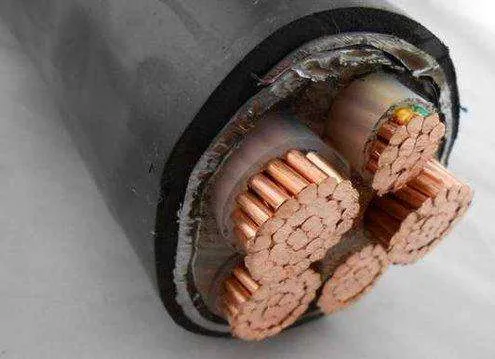
MV cable for substation interconnection, industrial feeders and underground distribution. IS 7098 Part 1 and Part 2 map to IEC 60502-1 and -2 respectively. For 33 kV work the rated voltage must be stated explicitly, as noted above.
Relevant for: substation connections, industrial plant distribution, urban underground networks, solar and wind collector systems.
XLPE power cable · SWA armoured cable
Armoured LV cable
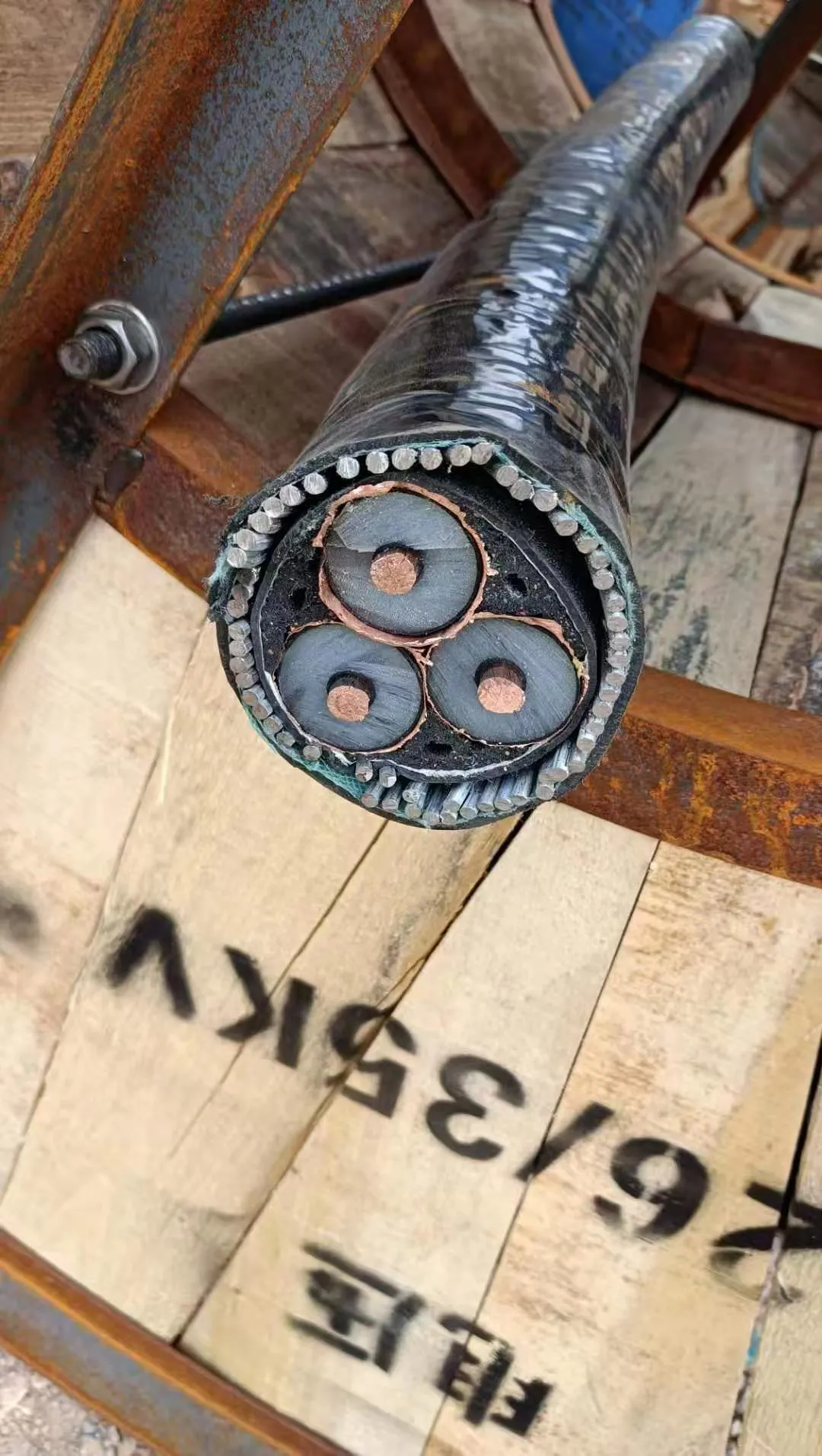
Steel wire armoured cable for direct burial and mechanically exposed routes. IS 1554 Part 1 covers the PVC construction; BS 5467 and IEC 60502-1 cover the XLPE equivalents we more commonly supply for export projects.
Relevant for: buried feeders, plant and yard distribution, cable routes without duct protection.
SWA armoured cable · PVC power cable
Control and instrumentation cable
Substation secondary wiring, protection and control circuits, auxiliary systems. Flame-retardant and fire-resistant grades where cable-dense switch houses require containment.
Control cable range · Armoured control cable
Fire-resistant cable
BS 6387 and IEC 60331 circuit-integrity classes for buildings, metro, and industrial safety circuits. Specify the required class (CWZ, or the IEC 60331 duration) rather than "fire resistant" alone — the constructions and prices are materially different.
Solar PV cable
TUV-certified and IEC 62930 compliant DC cable for solar farms, relevant to India's renewable buildout and to Indian developers' overseas solar portfolios.
PV1-F solar cable · Twin-core solar cable
Our full certification portfolio — ISO 9001, ISO 14001, ISO 45001, CCC, CB Scheme (IECEE CN74210) and SGS test reports — is documented on our certificates page. Read Route 1 again before you rely on any of it for India: none of these substitute for an ISI mark on QCO-covered product entering the Indian domestic market, and we do not pretend otherwise. Our standards by country guide sets out the same position alongside the certifications we do and do not hold for other markets.
Shipping: China to India
India is one of the shorter runs from Chinese ports, which is part of why Chinese cable competes on landed cost even against domestic Indian supply on schedule-driven orders.
Departure ports
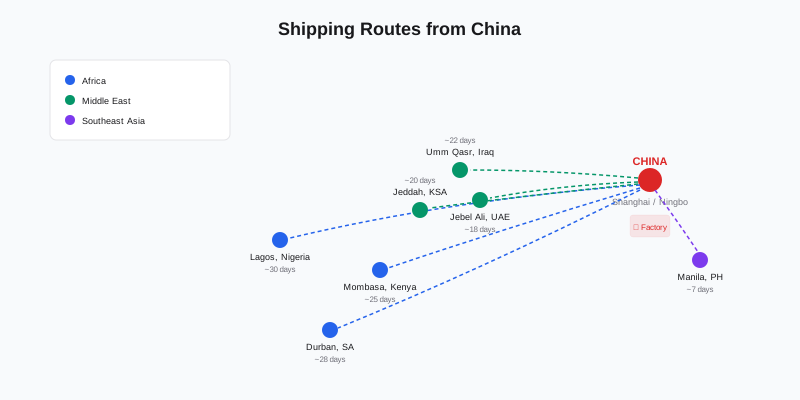
We ship from Shanghai, Ningbo, Qingdao and Shenzhen depending on cargo readiness and sailing schedules. Our factory is in Xinxiang, Henan, with inland haulage to Shanghai or Qingdao.
Arrival ports
| Port | Serves | Notes |
|---|---|---|
| Nhava Sheva (JNPT), Navi Mumbai | Western and central India | One of India's largest container ports; deepest carrier coverage from China |
| Mundra, Gujarat | Gujarat, Rajasthan, northern India | Strong for project cargo and SEZ-linked traffic |
| Chennai | Tamil Nadu, southern India | Main southern gateway |
| Kolkata / Haldia | Eastern India, landlocked northeast | Draft limits apply |
For Route 4 shipments — Indian contractors' overseas projects — cargo goes direct from the Chinese port to the project country. Indian ports are not involved at all, which removes both the ISI question and Indian import duty from the picture.
Transit time
Transit varies by carrier, routing and whether the service is direct or transhipped. Rather than publish figures that will be wrong for your specific booking, we confirm the actual transit and sailing schedule from our freight forwarder at the time of quotation and put it in the offer.
Container loading
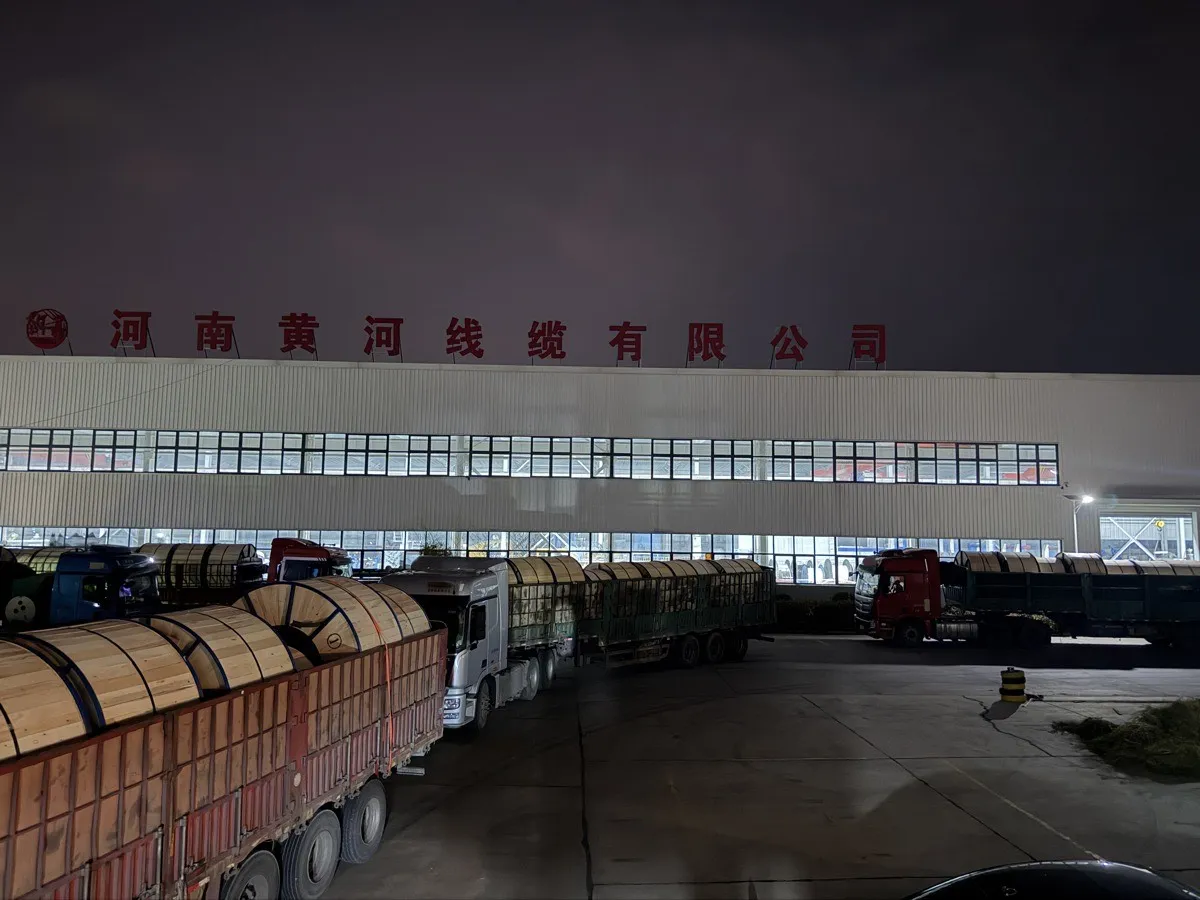
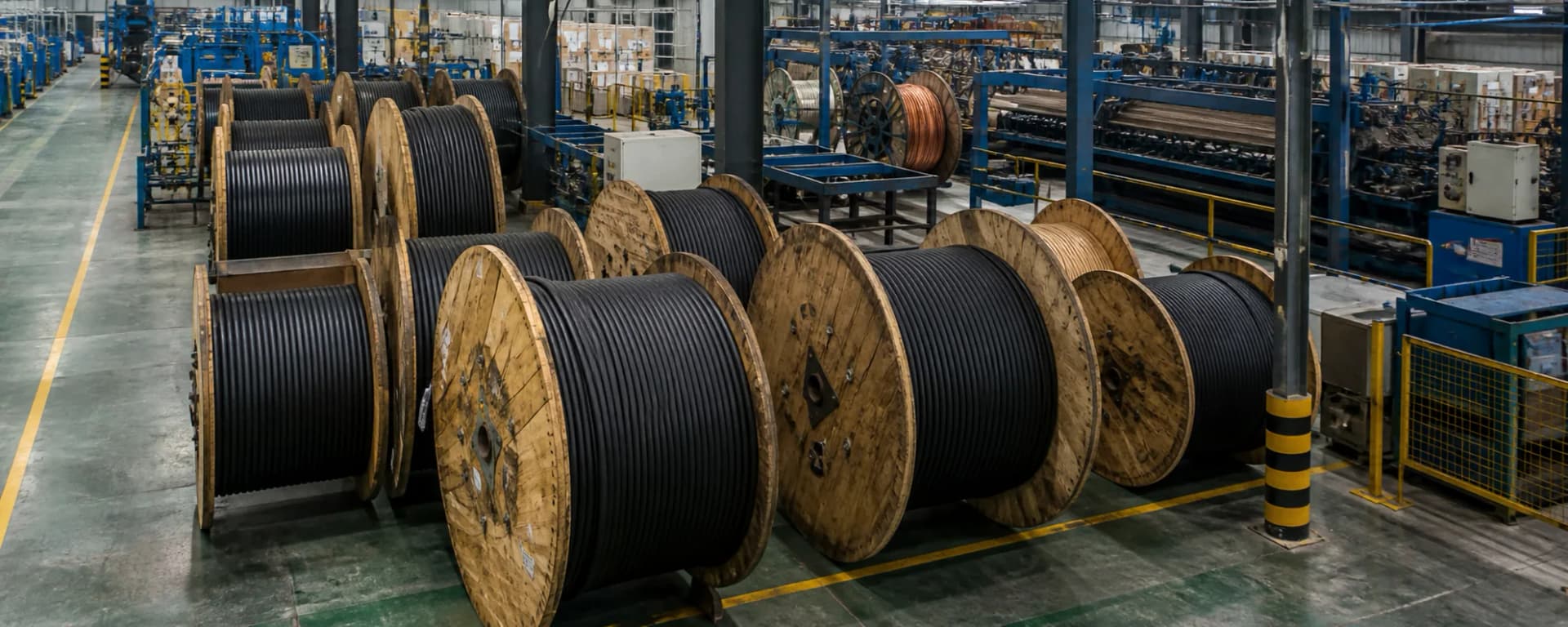
Cable and conductor ship on wooden or steel drums. Drum dimensions drive how much cable fits a container far more than weight does, so drum sizing is planned against your delivery lot size before production, not after. For long conductor runs, drum length is matched to the stringing plan so you are not left with unusable short ends.
Import duties and documentation
HS 8544 covers insulated wire and cable; bare aluminium conductor falls under HS 7614. Duty on HS 8544 into India comprises Basic Customs Duty plus Social Welfare Surcharge plus IGST, and anti-dumping measures apply to certain cable categories from China. Rates change with each Union Budget and notification, and preferential rates may apply under specific instruments.
We do not quote duty rates on this page for a simple reason: they change, and a stale number in an importer's cost model is worse than no number. Confirm current BCD, SWS, IGST and any applicable anti-dumping duty for your exact HS code with your customs house agent or on ICEGATE before finalising landed cost.
What we provide: commercial invoice, packing list, bill of lading, certificate of origin, mill test certificates, and any inspection certificates your terms require — prepared to match the HS classification your CHA intends to declare, so the file does not stall at assessment.
Quality Assurance and Third-Party Inspection
Indian procurement teams and EPC quality departments are demanding, and rightly so. We plan for inspection rather than resisting it.
Routine factory testing
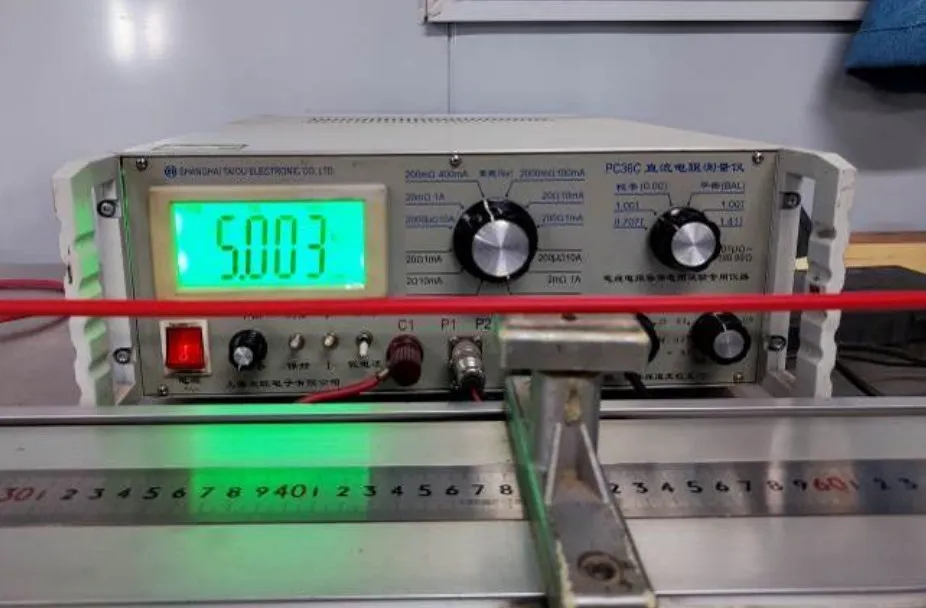
Every production lot goes through conductor resistance, insulation thickness and dimensional checks, high-voltage withstand, and insulation resistance measurement. For XLPE MV cable, partial discharge testing per IEC 60502-2. For overhead conductor, tensile strength, elongation and galvanising mass on the steel core per IEC 61089 and ASTM B232.
Testing to Indian requirements
Where your specification names IS test methods, we run against the IS method rather than the nearest IEC equivalent. The two are usually equivalent in substance but not always in acceptance limits or sample size, and a test report against the wrong method gets rejected at document review even when the cable is fine.
Third-party inspection
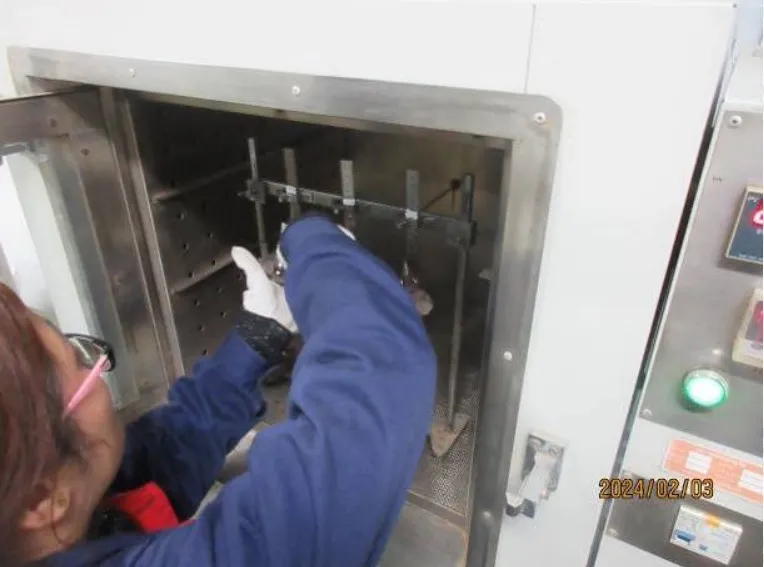
SGS, Bureau Veritas and Intertek all inspect at our facility. For tender-driven supply we recommend nominating an inspection agency and specifying witness points in the purchase order — pre-production material verification, in-process checks, and final testing before packing. It costs a little and removes most of the risk of a dispute at destination.
For buyers new to sourcing from China, our guide to verifying a Chinese cable manufacturer covers the due-diligence steps we would want a customer to run on us, including how to check certification claims independently.
Climate considerations
Indian conditions are hard on cable: monsoon humidity, sustained high ambient temperatures across much of the country, and UV exposure on overhead runs. For outdoor and overhead applications we specify UV-stabilised sheathing as standard rather than as an upgrade, and for buried routes in high-moisture ground we recommend discussing water-blocking construction at the enquiry stage rather than after the first fault.
Get a Quote for Your India Requirement
Whether you are an Indian EPC contractor procuring conductor for an overseas transmission project, an SEZ unit sourcing cable for authorised operations, or a buyer working to an IS specification for a non-QCO product — the first thing we establish is which route applies. That determines everything else.
Before you write: if the cable is destined for the Indian domestic market in a QCO-covered category, we cannot supply it until our BIS registration is granted. Save yourself the round trip and go to a source that holds the licence today. For everything else, we are ready to quote.
What to include in your enquiry:
- Where the cable will be delivered and installed — India DTA, an Indian SEZ, or a project country outside India. This single answer determines the compliance route.
- Cable type and specification, including the IS or IEC standard your specification names
- Rated voltage (Uo/U), conductor size or ACSR code name, core count, armouring requirement
- Quantity in metres or tonnes, and delivery lot structure if phased
- Delivery terms — FOB Chinese port, CIF Nhava Sheva/Mundra/Chennai, or CIF the project port
- Required testing, inspection and documentation, including any nominated inspection agency
- Tender reference and closing date, if you are bidding
We reply with a technical compliance statement against your specification, a production schedule, and a shipping plan. Where a requirement falls outside what we can compliantly supply, we say that in the first reply rather than the fifth.
Frequently Asked Questions
Do I need BIS certification to buy cable from China for India?
Only if the cable enters the Indian domestic market in a product category covered by a Quality Control Order. If the cable ships to a project outside India, or goes into an SEZ for authorised operations, BIS registration is not the governing requirement. Our BIS registration is in process but not yet approved (status as of August 2026), so for QCO-covered cable destined for the Indian domestic market we are not your supplier today. Ask us which route your specific requirement falls under before you spend time on a technical evaluation.
What is the minimum order quantity?
For standard constructions in our regular range, 500 to 1,000 metres per specification. For custom specifications, 2,000 to 5,000 metres. The floor comes from setup time on the stranding and extrusion lines rather than from tonnage, which is why a custom spec costs more to start than a standard one. Send us your bill of materials and we confirm the minimum against your actual sizes — if you are close to the threshold, say so, and we will tell you whether it works.
What are your payment terms?
For first orders, 30% T/T deposit with the 70% balance against a copy of the bill of lading, or an irrevocable letter of credit at sight. We also work with negotiable terms for repeat customers. If you are buying from any Chinese factory for the first time, an L/C at sight protects you more than a deposit arrangement does, and a supplier who refuses it is telling you something.
Can I get a sample before ordering?
Yes. We provide free cut samples, typically 1 to 2 metre lengths, for your evaluation; you cover the courier cost. For full-drum samples of 1 to 2 km you pay manufacturing cost plus freight. For a project-scale order, testing a sample before committing is worth the few days it costs you.
My specification is written to an IS standard. Can you quote against it?
Yes. Indian cable standards are closely aligned with IEC, and the mapping table above covers the common ones. Two things we will ask you to confirm: the exact rated voltage in Uo/U form, because IS 7098 Part 2 spans 3.3 kV to 33 kV in a single part and "11 kV" alone does not fix the insulation thickness; and the ACSR code name against its stranding, since code names are not always used consistently across specifications. We quote against both the IS reference and the IEC equivalent so your engineering team can check the substitution themselves.
How long does production and shipping take?
Production is 10 to 15 days for standard specifications. Sea transit from Chinese ports to Nhava Sheva, Mundra or Chennai adds roughly two to three weeks depending on routing and carrier, so plan on four to five weeks from confirmed order to arrival. For Route 1 shipments direct to a project country, transit depends on the destination. We confirm both against your actual order at quotation rather than quoting a best case.
Which Indian ports do you ship to?
Nhava Sheva (JNPT) for western and central India, Mundra for Gujarat and the north-west, Chennai for the south and east, and Kolkata for the east and north-east. Nhava Sheva has the deepest carrier coverage from Chinese ports. For Route 1 orders the cable ships direct from China to the project country and never touches an Indian port at all.
Can you supply against a tender specification and provide third-party inspection?
Yes. We write technical compliance statements against the tender specification itself rather than sending generic datasheets, and we accept third-party inspection and witness testing at your nomination — SGS, Bureau Veritas and Intertek have all inspected in our plant. Send us the tender document and closing date and we will tell you in the first reply whether any line item falls outside what we can compliantly supply.