Key Takeaway
Buyer's guide to sourcing solar cable from China: vet a PV1-F / EN 50618 factory, verify TÜV certificates, check MOQ and factory-direct pricing.
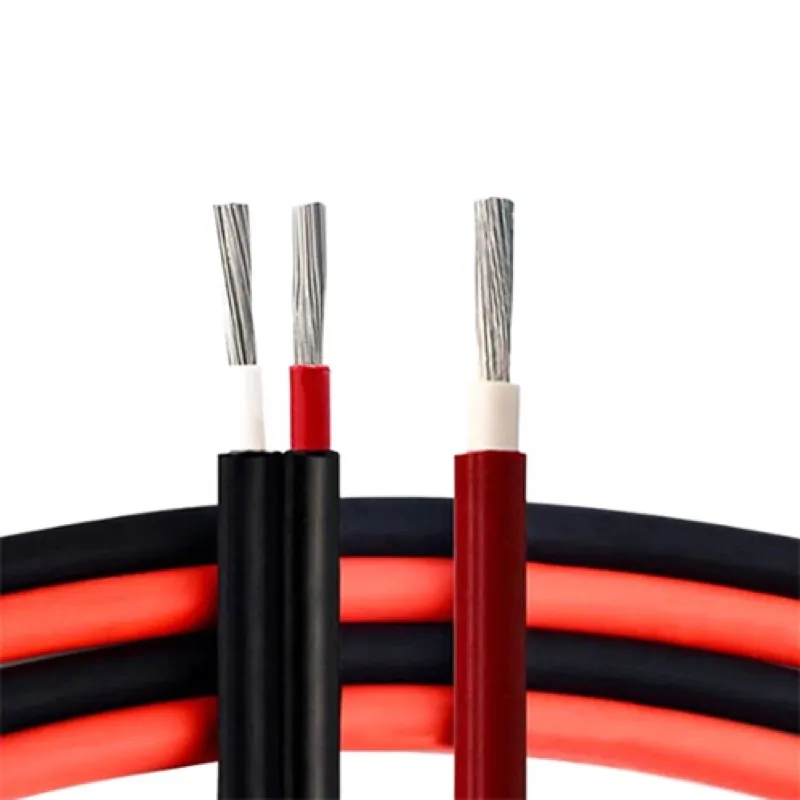
Sourcing solar cable directly from a Chinese manufacturer can cut your cable cost by 30% or more against buying through a European brand or a local distributor — but only if you pick the right factory and verify what you are buying. The market is full of traders reselling unbranded cable, factories that cut corners on copper and insulation, and "TÜV certificates" that do not survive a phone call to the lab. For solar EPC contractors, distributors, and developers across Southeast Asia, Africa, and the Middle East, getting the sourcing right is the difference between cable that lasts the 25-year design life and cable that fails inspection or the array.
This guide walks buyers through exactly how to source PV1-F / H1Z2Z2-K solar cable factory direct from China: how to tell a real manufacturer from a trader, how to verify the TÜV and EN 50618 certificates, what to check on MOQ, lead time, and logistics, and how to get accurate factory-direct wholesale pricing. It is written from the manufacturing side — this is what we would check if we were buying.
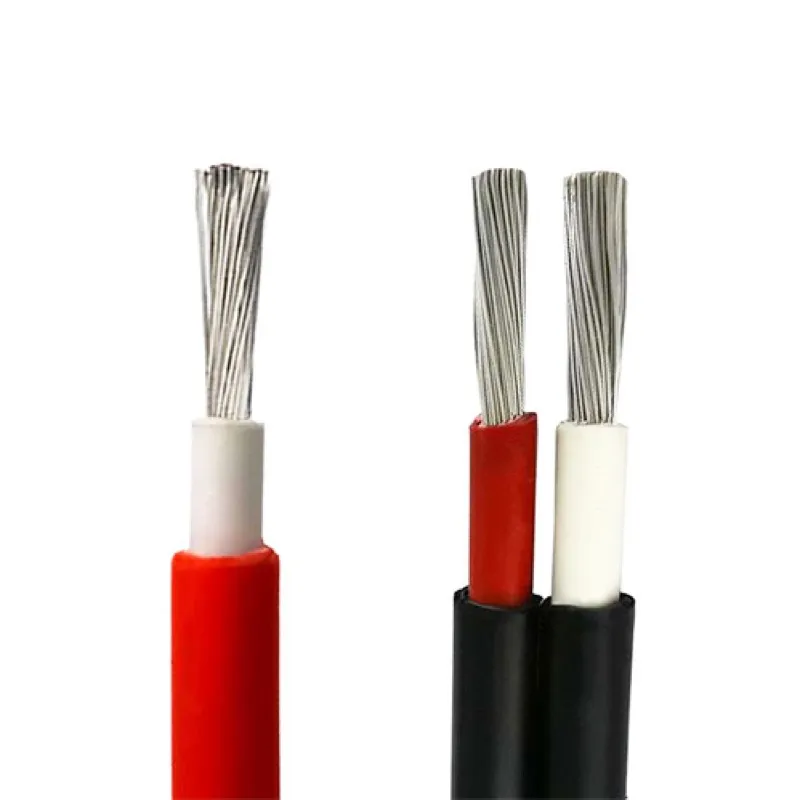
We manufacture PV1-F / H1Z2Z2-K solar cable at our factory in Henan, China — TÜV and EN 50618 certified, in single-core 2.5–16mm² and twin-core 2×4mm² / 2×6mm², with tinned copper conductors. Once you know how to size and configure your cable (covered in our solar DC cable sizing guide and single-core vs twin-core comparison), this guide covers the last step: buying it right.
Why Buy Solar Cable Direct from a China Factory
China manufactures the majority of the world's solar cable, and buying direct from the factory rather than through a middleman changes the economics of a project.
- Factory-direct pricing. Every layer between you and the manufacturer — trader, importer, distributor — adds margin. Buying direct removes it. On a container-scale order the saving is substantial, and it compounds across a project's full cable bill.
- Traceable quality. A real factory can show you the copper it uses, the insulation compound, the test reports for your specific order. A trader reselling mixed stock cannot.
- Certificates tied to the actual product. When the manufacturer holds the TÜV and EN 50618 certification, the paperwork matches the cable in the drum. When you buy through a reseller, the certificate may belong to a different batch or a different factory entirely.
- Custom runs and mixed orders. A factory can produce the exact cross-sections, colours, lengths, and drum sizes your project needs, and combine single-core and twin-core on one order. Traders sell what they have in stock.
The catch is that "buying direct from China" only delivers these benefits if you are actually dealing with the manufacturer, not a trading company posing as one. That is the first thing to verify.
Manufacturer vs Trader: How to Tell the Difference
Most "factories" you find on B2B marketplaces are trading companies. They are not necessarily bad to deal with, but they add margin and they cannot control quality or certification the way a real manufacturer can. Here is how to tell them apart before you commit:
- Ask for the production line, not the showroom. A manufacturer can send a live video walk-through of extrusion lines, stranding machines, and testing labs on request. A trader shows you a warehouse or stock photos.
- Ask a technical question only a maker can answer. "What is the minimum bending radius of your 6mm² PV1-F, and what copper stranding class do you use?" A factory answers immediately from its own spec; a trader has to go and ask someone.
- Check the certificate holder name. The TÜV or EN 50618 certificate names the company that holds it. If that name does not match the company you are buying from, you are buying through a reseller.
- Look at how they quote. A factory quotes against your bill of materials — cross-section, length, colour, drum plan. A trader quotes a round per-metre number and is vague on the detail.
- Business licence and factory audit. Ask for the business licence (it states the registered scope — manufacturing vs trading) and offer to arrange a third-party factory audit (SGS, BV, TÜV). A real factory welcomes it.
None of this guarantees perfection, but it filters out the resellers quickly and tells you whether the price you are paying is a factory price or a marked-up one.
How to Verify TÜV and EN 50618 Certificates
The single most abused document in solar cable sourcing is the certificate. A PDF is easy to fake and easy to borrow from another factory. Here is how to check that the certification is real and belongs to the cable you are buying.
- EN 50618 is the European harmonised standard for photovoltaic cable — it defines the H1Z2Z2-K designation, the 1.0/1.5kV DC rating, and the 25-year service-life requirement. A compliant cable meets it in full, not "to the spirit of" it.
- IEC 62930 is the international equivalent, also rated 1.5kV DC. Reputable factories certify to both.
- TÜV 2 PfG 1169/08.2007 is the TÜV test specification referenced in tenders across our target markets. A genuine TÜV certificate carries a certificate number you can verify directly on the TÜV Rheinland or TÜV SÜD online certificate database.
- GB/T 32129 is the Chinese national standard for PV cable — relevant confirmation that the factory builds to a recognised domestic standard as well.
Three checks that separate real certification from a borrowed PDF:
- Verify the certificate number online. TÜV maintains a public certificate database. Enter the number; it should return the holder's name and the certified product. If it does not resolve, the certificate is not valid.
- Match the holder name to your supplier. The certificate names the company it was issued to. If you are buying from "ABC Trading" but the certificate says "XYZ Cable Co.," the certificate does not cover your purchase.
- Ask for the batch test report, not just the type certificate. The type certificate proves the design passed testing once. The routine test report proves your specific production length was tested — conductor resistance, voltage withstand — before it shipped. Demand both.
If a supplier cannot produce a verifiable certificate number and a batch test report for your order, treat the cable as uncertified regardless of what the PDF says. A 25-year solar asset is not the place to accept unverifiable paperwork.
What to Check Before You Place a Solar Cable Order
Beyond certification, a handful of practical checks protect your project and your budget:
- Conductor material and class. Confirm tinned copper, Class 5 stranding for flexibility. Tinning matters in humid and coastal markets — it stops copper oxidising at MC4 contacts over the cable's life. Ask whether the copper is fully annealed electrolytic copper, not copper-clad aluminium.
- Insulation compound. PV1-F uses cross-linked polyolefin (XLPO), halogen-free, rated for +90°C continuous conductor temperature and 25-year UV exposure. Ask the factory to confirm the compound and the double-insulation construction (0.7mm + 0.7mm).
- Voltage rating. 1.0/1.5kV DC (1.8kV peak) for modern strings. Confirm it matches your system voltage.
- Cross-section tolerance and length accuracy. Under-spec copper (a 6mm² cable that is really 5.6mm²) is the most common way corners get cut. Third-party inspection on the first order catches it.
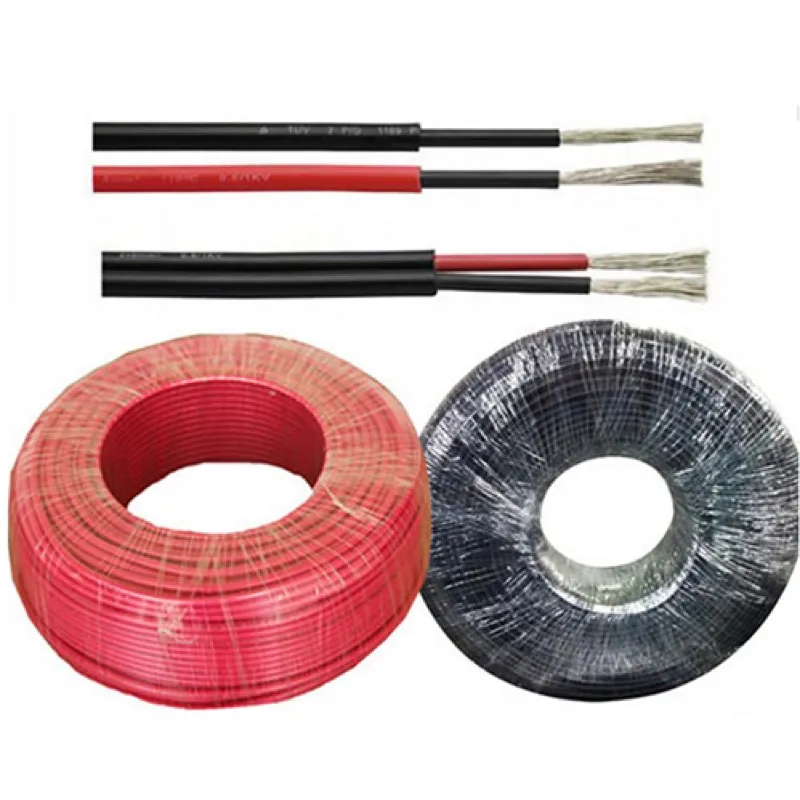
- Colour and marking. Red (positive), black (negative), plus any printed marking your tender requires.
MOQ, Lead Time & Logistics
The commercial terms decide whether a factory-direct order actually works for your project timeline and volume.
- MOQ (minimum order quantity). Solar cable is made to order, so factories set a minimum per cross-section and colour to make a production run economical. The right MOQ depends on the sizes you need; ask for the minimum against your specific bill of materials rather than a blanket figure. Distributors buying to stock and EPC contractors buying for a project have different MOQ profiles, and a factory can usually structure the order around either.
- Lead time. Made-to-order cable needs production time plus testing and drum winding. Lead time moves with order size, the number of cross-sections, and current factory loading. Confirm it in writing against your required delivery date — do not assume stock availability for a made-to-order product.
- Drum planning. Length per drum affects freight cost and site handling. Tell the factory your preferred drum sizes and length per colour so drums are wound to suit your installation, not split awkwardly across the run.
- Shipping and Incoterms. Most factory-direct solar cable ships FOB or CIF from a Chinese port. Clarify the Incoterm, the port, and who handles destination clearance. For the three markets we serve, established freight routes to Southeast Asian, African, and Middle Eastern ports keep logistics predictable.
- Documentation. Certificate of origin, test reports, packing list, and the TÜV/EN 50618 certificates should travel with the shipment. Confirm the document set up front so customs clearance is not held up on arrival.
How Solar Cable Pricing Works (and How to Get an Accurate Quote)
Solar cable pricing is driven mostly by copper. The conductor is the largest single cost, so the price per metre tracks the copper market almost day to day, and any quote has a validity window because of it. That is why no honest factory publishes a fixed price list for made-to-order cable — a printed number is out of date within weeks.
What actually moves your price:
- Copper content. Larger cross-sections carry more copper per metre and cost proportionally more. This is why sizing correctly (not oversizing) matters to the budget.
- Order volume. Larger runs spread fixed setup costs and earn better per-metre pricing. Wholesale and bulk orders — distributors stocking a range, or EPC contractors buying a full project's cable at once — get volume pricing that single-drum orders do not.
- Configuration and specification. Single-core vs twin-core, colour count, drum plan, and any special marking all feed into the number.
To get an accurate quote, send the factory your bill of materials: cross-section(s), single-core or twin-core, length per colour, drum preference, and destination port. A current quotation against that list is far more accurate than any published figure, and it locks the copper price for the quote's validity window. Request a quote rather than working from a price list.
Sourcing Solar Cable for Southeast Asia, Africa & the Middle East
Buyers in these three markets share a set of sourcing priorities that a good China factory should meet directly:
- Certification that clears local tender requirements. Projects across the Gulf, Southeast Asia, and Africa increasingly specify EN 50618 / IEC 62930 / TÜV in tenders. Buying from a factory that holds verifiable certification means your paperwork clears procurement without a fight.
- Cable built for the climate, confirmed at source. The 25-year UV-rated XLPO sheath, +90°C conductor rating, and tinned copper are non-negotiable for the heat, sun, humidity, and salt of these regions. Confirm them with the factory before ordering — do not assume a generic "solar cable" carries them.
- Predictable freight to your port. Established shipping routes from China to Southeast Asian, African, and Middle Eastern ports keep lead times and costs predictable. Confirm the port and Incoterm up front.
- Volume pricing for growing pipelines. The three markets are among the fastest-growing solar regions in the world. Distributors and EPC contractors building a pipeline benefit from a factory relationship and volume pricing rather than repeated spot buys through traders.
The practical approach: size and specify your cable first, then source it from a factory that can prove certification, show its production, and quote your exact bill of materials with a clear Incoterm and lead time.
Common Mistakes When Sourcing Solar Cable from China
- Buying on price per metre alone. The cheapest quote often means under-spec copper or unverifiable certification. Compare like for like — same cross-section, same standard, same verifiable certificate — before comparing price.
- Accepting a certificate PDF without verifying the number. A certificate you cannot verify on the TÜV database is not a certificate. Check it.
- Assuming a trader is a factory. If the certificate holder name does not match your supplier, you are paying a middleman margin and losing quality traceability.
- Skipping the batch test report. The type certificate proves the design; the routine test report proves your drum. Demand both.
- Not planning drums and logistics. Ordering the right cable but the wrong drum sizes creates waste and handling cost on site. Plan drum length per colour with the factory.
- Forgetting third-party inspection on the first order. For any new supplier, budget for SGS/BV/TÜV inspection on the first shipment. It is cheap insurance against under-spec copper.
Standards a Real Solar Cable Factory Meets
| Standard | What it covers |
|---|---|
| EN 50618 | European harmonised standard for PV cable — H1Z2Z2-K designation, 1.5kV DC, 25-year life |
| IEC 62930 | International standard for PV system cable, rated 1.5kV DC |
| TÜV 2 PfG 1169/08.2007 | TÜV test specification widely referenced in tenders |
| GB/T 32129 | Chinese national standard for photovoltaic cable |
| UL 4703 | PV Wire standard for North American projects (on request) |
A factory that certifies to these — and can prove it with verifiable certificate numbers and batch test reports — is one you can build a 25-year asset on.
Frequently Asked Questions
How do I find a reliable solar cable manufacturer in China?
Verify three things: that the company is a manufacturer not a trader (ask for a production-line video and check the certificate holder name), that its TÜV / EN 50618 certificate number resolves on the TÜV online database, and that it will supply a batch test report for your specific order. A factory that passes all three, quotes against your bill of materials, and welcomes a third-party audit is a reliable source.
Is it cheaper to buy solar cable direct from a China factory?
Yes, typically 30% or more cheaper than a European brand and cheaper than a local distributor, because you remove the trader and importer margins. The saving is largest on volume orders. The condition is that you buy from an actual manufacturer with verifiable certification — the cheapest trader quote often hides under-spec copper.
What is the MOQ for solar cable from a Chinese factory?
Because solar cable is made to order, factories set a minimum per cross-section and colour to make a production run economical. The exact MOQ depends on the sizes you need, so ask for the minimum against your specific bill of materials. Distributors stocking a range and EPC contractors buying for a project have different profiles, and a factory can usually structure the order around either.
How do I verify a TÜV certificate for solar cable?
Take the certificate number and enter it on the TÜV Rheinland or TÜV SÜD online certificate database. It should return the holder's company name and the certified product. Confirm the holder name matches your supplier. If the number does not resolve, or the name does not match, the certificate does not cover the cable you are buying.
Can a China factory ship solar cable to Southeast Asia, Africa, and the Middle East?
Yes. Established freight routes run from Chinese ports to Southeast Asian, African, and Middle Eastern destinations, usually FOB or CIF. Confirm the Incoterm, port, and document set (certificate of origin, test reports, TÜV/EN 50618 certificates) up front so customs clearance is smooth on arrival.
What certifications should solar cable have?
At minimum EN 50618 and IEC 62930 (both defining the 1.5kV DC rating and 25-year life), plus a TÜV 2 PfG 1169 test certificate. GB/T 32129 confirms the Chinese national standard, and UL 4703 is needed only for North American projects. All should be backed by verifiable certificate numbers and batch test reports.
Get a Factory-Direct Solar Cable Quote
We manufacture PV1-F / H1Z2Z2-K solar cable at our factory in Henan, China — single-core 2.5–16mm² and twin-core 2×4mm² / 2×6mm², TÜV and EN 50618 certified, with tinned copper conductors and 25-year UV-rated XLPO insulation. We supply solar EPC contractors, distributors, and developers across Southeast Asia, Africa, and the Middle East, factory direct with verifiable certification and batch test reports.
Send us your bill of materials — cross-section, single-core or twin-core, length per colour, drum preference, and destination port — and we will return a current factory-direct quotation with certificates. Contact us for a quote or explore the full PV1-F solar cable specifications and twin-core solar cable options. New to specifying solar cable? Start with our solar DC cable sizing guide and single-core vs twin-core comparison, then come back here to source it.