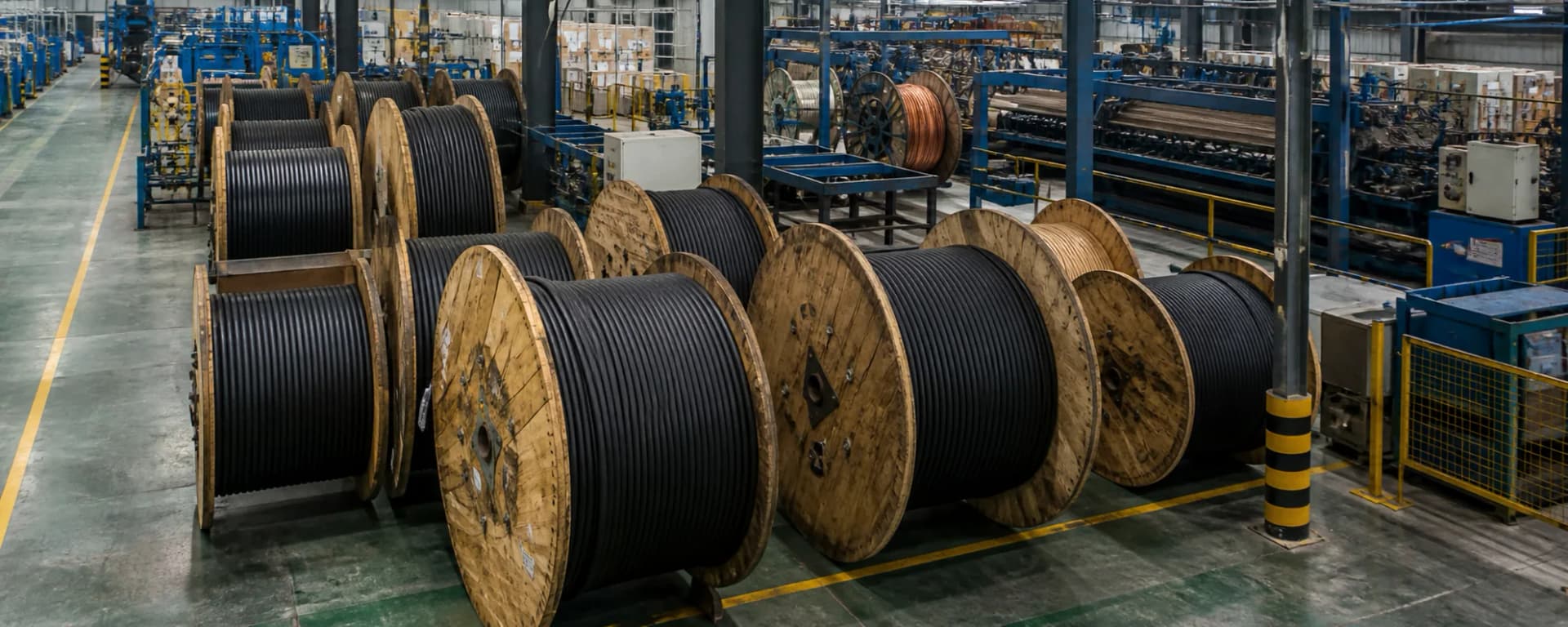
South Africa Electricity Market Overview
South Africa is the continent's most industrialised economy and its largest electricity market, with a population of 62 million (Stats SA, 2024) and an electricity system dominated by Eskom, the state-owned utility. Eskom operates approximately 44 GW of installed generation capacity — the vast majority coal-fired — making South Africa's grid one of the largest in the Southern Hemisphere. Total nominal installed capacity across all sources (including independent power producers) reaches approximately 58 GW, though available capacity has been severely constrained in recent years due to aging coal fleet performance.
The country has experienced prolonged load shedding (rolling blackouts) since 2007, with the crisis intensifying dramatically between 2022 and 2024. At its worst, Eskom implemented Stage 6 load shedding — removing up to 6,000 MW from the grid simultaneously — causing severe economic disruption estimated at R500 billion (US$27 billion) annually by the South African Reserve Bank. This energy crisis has catalysed one of the world's most ambitious energy transition programmes and created extraordinary demand for electrical cable and conductor products across multiple sectors.
South Africa imported approximately US$310 million in electrical cable and wire products in 2023 (UN Comtrade, HS 8544), with China as a major source alongside traditional European suppliers. The combination of aging grid infrastructure requiring rehabilitation, massive renewable energy buildout, mining sector demand, and private sector generation investment makes South Africa one of Africa's most significant cable markets by volume and value.
Key Drivers of Cable Demand
Eskom Grid Rehabilitation and Expansion: Eskom's transmission and distribution networks require massive investment to replace aging conductors, upgrade substations, and expand capacity to accommodate new generation sources. The utility's transmission development plan includes over 14,000 km of new transmission lines and 60+ new substations over the coming decade. Distribution networks across municipalities require rehabilitation of overhead lines, replacement of deteriorated underground cables, and capacity upgrades to meet growing demand.
Renewable Energy Independent Power Producer Procurement Programme (REIPPP): South Africa's REIPPP is one of the most successful renewable energy procurement programmes globally, with over 6,400 MW awarded across bid windows 1–5 and a pipeline exceeding 100 GW of planned renewable capacity to 2030. Each wind farm and solar PV plant requires substantial cable infrastructure — MV collector cables connecting turbines/arrays to substations, HV cables for grid connection, control cables, and earthing conductors. Bid Window 6 and beyond will continue to drive enormous cable volumes.
Mining Sector: South Africa's mining industry — including Anglo American, Gold Fields, Sibanye-Stillwater, Impala Platinum, and others — is one of the world's largest consumers of specialised cable products. Mining operations require trailing cables for mobile equipment, reeling cables for shaft hoists, flame-retardant cables for underground installations, medium-voltage cables for mine power distribution, and armoured cables for harsh environments. The sector's transition to renewable self-generation further increases cable demand.
Private Generation (Section 12B and Distributed Generation): Following regulatory reforms raising the embedded generation threshold to 100 MW, South Africa's private sector is investing heavily in rooftop solar, ground-mount solar farms, and behind-the-meter generation. Commercial and industrial users are installing generation capacity to hedge against load shedding and rising electricity costs, each installation requiring DC solar cables, AC distribution cables, and grid connection infrastructure.
Municipal Infrastructure Grant (MIG) Programmes: South African municipalities receive annual grants for infrastructure development, including electrical reticulation for new housing developments (RDP/BNG housing), industrial estate electrification, and network upgrades. These programmes consume large volumes of LV armoured cable, service cables, and overhead conductors.
Market Characteristics
South Africa's cable market is sophisticated and well-regulated, with established local manufacturers (Aberdare Cables, South Ocean, CBI Electric) competing alongside imports from China, Turkey, and Europe. The market is price-sensitive due to currency weakness (ZAR) but maintains strict quality requirements enforced through SANS standards and NRCS compulsory specifications. Import penetration has increased steadily as local manufacturers face cost pressures from high electricity prices (ironically), labour costs, and raw material pricing.
The market operates through multiple channels: direct supply to Eskom and municipalities via tender, electrical wholesale distributors (ARB Electrical, Magnet, Major Tech), EPC contractors for renewable energy projects, and mining procurement departments. Chinese cable manufacturers have established significant market share particularly in overhead conductors, building wire, and MV cable segments.
South African Standards and Certification Requirements
South Africa maintains a rigorous product certification framework for electrical cables, administered through the South African Bureau of Standards (SABS) and enforced by the National Regulator for Compulsory Specifications (NRCS). Understanding and complying with these requirements is essential for successful cable importation.
SANS Standards for Cables
South African National Standards (SANS) for electrical cables are developed by SABS and are mandatory for products falling under compulsory specifications. The key standards include:
- SANS 1507 — PVC-insulated cables and cords (Parts 1–4), covering building wire, flexible cords, and LV distribution cables. This is the most widely referenced cable standard in South Africa for low-voltage applications.
- SANS 97 — XLPE insulated power cables for rated voltages 3.8/6.6 kV to 19/33 kV. This standard governs all medium-voltage XLPE cables used in utility distribution, mining, and industrial applications.
- SANS 1339 — Flexible cables and cords with PVC or rubber insulation for use in mining and industrial applications. Critical for mining sector supply.
- SANS 182 — Conductors for overhead electrical power lines — bare and PVC-covered aluminium and aluminium alloy conductors.
- SANS 62 — XLPE and EPR insulated power cables for rated voltages 0.6/1 kV. Governs LV XLPE cables for distribution and industrial use.
- SANS 1411 — Metallic materials for electrical purposes — aluminium and aluminium alloy conductors.
- SANS 1418 — Metallic materials for electrical purposes — copper conductors.
- SANS 10142 — The wiring of premises (Wiring Code) — references cable standards for installation compliance.
NRCS Letter of Authority (LOA)
The National Regulator for Compulsory Specifications (NRCS) enforces compulsory specifications for electrical cables through the Letter of Authority (LOA) system. This is the single most critical compliance requirement for cable imports into South Africa:
-
Compulsory Specification VC 8075: Covers electrical cables with extruded solid dielectric insulation for fixed installations (rated voltages 50 V to 33 kV). This encompasses most power and distribution cables.
-
Application Process: The manufacturer must apply to NRCS for a Letter of Authority, submitting:
- Complete product test reports from an SABS-accredited or ILAC-recognized laboratory
- Quality management system documentation (ISO 9001)
- Factory production control records
- Product technical specifications and construction details
- Declaration of conformity to applicable SANS standards
-
Factory Audit: NRCS or its appointed agents may conduct a factory audit to verify production capability and quality systems. Audits assess production equipment, testing facilities, raw material controls, and quality management procedures.
-
LOA Issuance: Upon successful evaluation, NRCS issues a Letter of Authority permitting the manufacturer to supply the specified cable products into the South African market. The LOA specifies the exact product types, voltage ratings, and standards covered.
-
Ongoing Compliance: LOA holders are subject to market surveillance, random sampling, and periodic audit. Non-compliant product discovered in the market can result in LOA suspension or revocation.
We maintain active NRCS Letters of Authority for our cable product lines supplied to South Africa. Our quality team manages the ongoing compliance requirements, ensuring uninterrupted market access for our South African clients.
SABS Mark (Voluntary but Valued)
Beyond the compulsory NRCS LOA, manufacturers may apply for the SABS Mark of conformity — a voluntary certification demonstrating ongoing compliance with SANS standards through regular factory audits and product testing. While not legally required, the SABS Mark provides market credibility and is preferred by some buyers, particularly Eskom and major municipal utilities.
Additional Mining Requirements
Cables intended for underground mining applications in South Africa must additionally comply with:
- Mine Health and Safety Act requirements for flame retardancy
- SANS 1574 — Fire performance requirements for cables
- DMR (Department of Mineral Resources) equipment approval where applicable
Mining cables undergo additional fire propagation testing (IEC 60332-3) and smoke emission testing to ensure safety in confined underground environments.
Import Regulations and Duty Structure
South Africa's cable import regime is governed by the International Trade Administration Commission (ITAC) tariff schedule, the Customs and Excise Act, and SADC/trade agreement preferential arrangements.
Import Duty Rates
Cable imports into South Africa are classified under HS Chapter 85 (primarily 8544) and Chapter 76 (aluminium conductors). Applied duty rates depend on the specific product classification and country of origin:
- HS 8544.11 (Winding wire, copper): 0% Most Favoured Nation (MFN) duty
- HS 8544.19 (Winding wire, other): 0% MFN duty
- HS 8544.20 (Co-axial cable): 0% MFN duty
- HS 8544.42 (Cables fitted with connectors, ≤1000V): 15% MFN duty
- HS 8544.49 (Other insulated cables ≤1000V): 10–15% MFN duty
- HS 8544.60 (Cables for voltages exceeding 1000V): 0–10% MFN duty
- HS 7614 (Aluminium stranded wire/cables): 5–10% MFN duty
Additional charges applicable to all imports:
- VAT: 15% (applied on CIF value + duty)
- Customs processing fees
SADC Trade Preferences
South Africa is a member of the Southern African Development Community (SADC) Free Trade Area and the Southern African Customs Union (SACU). Imports from SADC member states may qualify for preferential (reduced or zero) duty rates under the SADC Protocol on Trade. However, cables originating from China are subject to standard MFN rates.
South Africa also has trade agreements under the African Continental Free Trade Area (AfCFTA), though implementation on tariff liberalisation schedules is ongoing.
Anti-Dumping Considerations
South Africa has historically been active in anti-dumping investigations on cable products. Importers should be aware that ITAC may impose anti-dumping or countervailing duties on specific cable products from certain origins if local manufacturers demonstrate injury from dumped imports. Our pricing strategy is designed to offer competitive factory-direct value while maintaining fair market pricing that avoids anti-dumping exposure.
NRCS Port Inspection
Cables arriving at South African ports are subject to NRCS inspection to verify that products carry valid LOA coverage. Shipments without proper NRCS documentation may be detained at port pending verification, resulting in storage charges and project delays. We ensure all documentation — LOA reference numbers, test certificates, and compliance declarations — is included in shipping documents and available for port clearance.
Shipping Logistics: China to South Africa
South Africa is well-served by international shipping lines with regular direct services from major Chinese ports. We ship cable products to South Africa on a consistent basis and have established logistics procedures for all major entry ports.
Departure Ports
Our factory in Henan Province connects to Chinese ports with frequent sailings on the Far East–South Africa trade route:
- Qingdao Port — Primary departure port, direct service available on several carriers
- Shanghai Port — Highest vessel frequency, competitive rates
- Ningbo Port — Alternative with good schedule options
Arrival Ports
South Africa has multiple deep-water container ports suitable for cable imports:
-
Durban Port (eThekwini): South Africa's largest and busiest container port, handling over 60% of the country's containerised cargo. Primary choice for shipments destined for Gauteng (Johannesburg), KwaZulu-Natal, and Free State provinces. Connected to inland markets via national road and rail networks.
-
Cape Town Port: Preferred for Western Cape, Northern Cape, and Eastern Cape deliveries. Also serves renewable energy projects in the Northern Cape solar corridor and Western Cape wind belt.
-
Ngqura Port (Coega): The deepwater port adjacent to the Coega Special Economic Zone in the Eastern Cape. Increasingly used for project cargo and industrial imports.
-
Port Elizabeth (Gqeberha): Alternative Eastern Cape entry point, particularly for automotive and industrial sector deliveries.
Transit Time
Typical ocean transit times from China to South Africa:
| Route | Transit Time |
|---|---|
| Qingdao → Durban | 25–30 days |
| Shanghai → Durban | 25–30 days |
| Qingdao → Cape Town | 27–32 days |
| Shanghai → Cape Town | 26–31 days |
We recommend allowing 28 days for transit planning purposes for Durban, plus 5–10 days for customs clearance. South African customs (SARS) is generally efficient with proper documentation, and NRCS clearance is typically concurrent with customs processing when LOA documentation is in order.
Container Loading
Cable drums are loaded into standard 20GP or 40GP containers. Typical loading for South Africa shipments:
- ACSR/AAC/AAAC conductors: 18–22 tonnes per 20GP on wooden or steel drums
- XLPE medium-voltage cable: 15–20 tonnes per 20GP depending on cross-section
- Armoured LV cable: 16–20 tonnes per 20GP
- Building wire (SANS 1507): 18–22 tonnes per 20GP
- Mining cable: 14–18 tonnes per 20GP (heavier construction)
We provide detailed container loading plans, weight distributions, and cargo securing arrangements compliant with SOLAS VGM (Verified Gross Mass) requirements.
Inland Distribution
From Durban port, most cable cargo is transported by road to the major demand centres:
- Durban → Johannesburg/Gauteng: ~580 km, 6–8 hours by road
- Durban → Bloemfontein: ~640 km
- Cape Town → Northern Cape solar corridor: ~800 km
- Durban → Mpumalanga (coal mining region): ~400 km
We can arrange door-to-door delivery through our freight forwarding partners or deliver CIF/CFR to port for clients who prefer to arrange their own inland transport.
Key Infrastructure Projects Driving Cable Demand
South Africa's cable market is driven by several major infrastructure programmes representing billions of rands in investment:
Eskom Transmission Development Plan
Eskom Transmission has published a comprehensive Transmission Development Plan (TDP) to strengthen the national grid and accommodate new generation capacity, particularly from renewable energy IPPs. The plan includes:
- New 765 kV transmission lines connecting the Northern Cape renewable energy zones to demand centres in Gauteng
- 400 kV network strengthening across multiple corridors
- 132 kV sub-transmission expansion for distribution capacity upgrades
- Over 14,000 km of new transmission lines planned over the coming decade
- 60+ new substations requiring MV and HV cable connections
These projects require massive volumes of overhead conductors (ACSR, AAAC) for transmission lines, XLPE cables for substation interconnection, and control/instrumentation cables for substation automation systems.
REIPPP (Renewable Energy IPP Programme)
The REIPPP has transformed South Africa's energy landscape and represents one of the most significant sources of cable demand:
Wind Energy: Wind farms in the Eastern Cape, Western Cape, and Northern Cape provinces require:
- MV collector cables (typically 22 kV or 33 kV XLPE) connecting each turbine to the farm substation
- HV cables (66 kV or 132 kV) for grid connection
- Control and fibre optic cables for SCADA systems
- Earthing conductors and lightning protection cables
Solar PV: Large-scale solar installations in the Northern Cape solar corridor (Upington, De Aar, Kathu) and other provinces require:
- DC solar cables (typically 1.5 kV rated) for string connections
- AC cables from inverters to MV transformers
- MV collector cables (22 kV or 33 kV)
- HV cables for grid connection
Battery Energy Storage Systems (BESS): The emerging battery storage sector adds demand for DC cables, LV and MV AC cables for grid connection, and control cables for battery management systems.
The REIPPP pipeline includes over 100 GW of planned capacity, ensuring decades of cable demand from the renewable energy sector.
Mining Sector Investment
South Africa's mining industry remains a cornerstone of cable demand:
Anglo American: Operations across platinum, diamonds, iron ore, and manganese require ongoing cable procurement for mine development, shaft sinking, surface infrastructure, and processing plants.
Gold Fields: South Deep and other deep-level gold mining operations require specialised trailing cables, shaft cables, and flame-retardant distribution cables for underground workings.
Sibanye-Stillwater: South Africa's largest platinum and gold mining company, operating multiple shafts and processing facilities across Gauteng and North West provinces with extensive cable requirements.
Impala Platinum, Northam Platinum, Harmony Gold: Major mining houses with continuous cable procurement programmes for maintenance, expansion, and capital projects.
Mining cable demand includes trailing and reeling cables for underground equipment, flame-retardant armoured cables, medium-voltage cables for mine power distribution (typically 3.3 kV, 6.6 kV, and 11 kV), and surface distribution cables for processing plants and workshops.
Municipal Electrification and Housing
South Africa's human settlements programme (formerly RDP housing) delivers approximately 100,000–150,000 new housing units annually, each requiring electrical reticulation. Municipal infrastructure grants fund:
- LV armoured cable for underground reticulation in new housing developments
- Overhead conductors for MV supply feeders to new settlements
- Service cables and connections for individual dwelling units
- Street lighting cables and columns
- MV/LV substation cables
Most Demanded Cable Products in South Africa
Based on our supply experience and market requirements, the following products represent the primary demand for South African projects:
1. XLPE Medium-Voltage Power Cable (SANS 97)
Application: Eskom and municipal utility distribution networks, renewable energy farm collector systems, mining power distribution, industrial supply.
Medium-voltage XLPE cable is the highest-value cable product in the South African market. All MV cable must comply with SANS 97 (aligned with IEC 60502-2). Common specifications:
- 6.35/11 kV 3-core 70 mm² to 300 mm² Al/XLPE/SWA/PVC — Municipal distribution
- 6.35/11 kV single-core 95 mm² to 400 mm² Al/XLPE — Substation connections
- 19/33 kV single-core 95 mm² to 630 mm² Al/XLPE/HDPE — Transmission and wind farm HV
- 3.8/6.6 kV 3-core 16 mm² to 185 mm² Cu/XLPE/SWA — Mining distribution
- 22 kV and 33 kV collector cables for solar and wind farms
All MV cables undergo comprehensive routine testing including partial discharge (≤5 pC), AC voltage withstand, and conductor resistance measurement per SANS 97 requirements. Type test reports from accredited laboratories are maintained for standard configurations. Product page: XLPE power cable to SANS 1507 — SANS 1507 is one of the standards listed on the range, alongside IEC 60502-2.
2. PVC-Insulated Cables and Cords (SANS 1507)
Application: Building internal wiring, residential and commercial installations, general fixed wiring in conduit and trunking systems.
SANS 1507 covers the most widely used cable products in South Africa's building sector. This is a high-volume market segment with consistent demand:
- SANS 1507 Part 1: PVC-insulated non-sheathed cables for fixed wiring (single-core in conduit)
- SANS 1507 Part 2: PVC-insulated and sheathed cables (flat twin and earth, surfix)
- SANS 1507 Part 3: PVC-insulated flexible cords (equipment connection)
- SANS 1507 Part 4: PVC-insulated cables with weather-resistant sheath
Common sizes: 1.5 mm², 2.5 mm², 4 mm², 6 mm², 10 mm², 16 mm² copper conductors. Colour coding per SANS 10142 wiring code (brown/live, blue/neutral, green-yellow/earth). For sheathed PVC power cable rather than building wire, see VV PVC insulated cable for cable tray and duct installations.
3. Armoured LV Cable (SANS 62)
Application: Underground distribution in residential and commercial developments, industrial installations, municipal reticulation, solar farm AC distribution.
Steel Wire Armoured (SWA) cable compliant with SANS 62 is the standard choice for buried LV distribution in South Africa:
- 4-core 16 mm² to 300 mm² Cu/XLPE/SWA/PVC — Commercial and industrial
- 4-core 25 mm² to 400 mm² Al/XLPE/SWA/PVC — Reticulation and utility distribution
- 3-core + neutral configurations for specific installations
- Single-core 150 mm² to 630 mm² for main incoming supplies and substation feeders
Manufactured with Class 2 stranded conductors, XLPE insulation, PVC bedding, galvanized steel wire armour, and extruded PVC outer sheath. Complete NRCS LOA coverage and SANS 62 compliance documentation. Our SWA armoured cable to SANS 1507 page lists the single-core and three-core tables with in-ground and in-air ratings.
4. Overhead Conductors (SANS 182)
Application: Eskom transmission and distribution lines, municipal MV feeders, rural electrification, mining surface distribution.
Bare overhead conductors manufactured to SANS 182 and IEC 61089 for South Africa's extensive overhead network:
- ACSR Mink (70/12 mm²), Fox (30/7 mm²), Hare (100/16 mm²) — Distribution lines
- ACSR Bear (150/25 mm²), Zebra (400/50 mm²) — Sub-transmission
- AAAC 50 mm² to 300 mm² — Coastal and corrosive environments
- AAC conductors for short spans and distribution
- ACSR/AW (aluminium-clad steel) for high-strength requirements
South Africa uses the UK/Commonwealth naming convention for ACSR conductor sizes (animal names), and we supply to these exact specifications with complete test certificates per SANS 182. We quote ACSR overhead conductor with low sag at high temperatures by metric AL/ST cross-section and supply the animal codeword equivalents on request.
5. Flexible Cables (SANS 1339)
Application: Mining equipment trailing cables, industrial machinery connections, temporary installations, portable equipment.
SANS 1339 covers flexible cables essential for South Africa's mining and industrial sectors:
- Rubber-sheathed flexible cables for mining equipment (trailing cables)
- PVC flexible cables for general industrial use
- Welding cables
- Multi-core control cables for machinery
Mining trailing cables are typically specified as Type 409 (rubber-insulated, rubber-sheathed) with screen and earth cores, rated for 525 V, 1.1 kV, 3.3 kV, or 6.6 kV depending on equipment voltage. These must comply with Mine Health and Safety Act requirements for flame retardancy. Our general-purpose equivalent is H07RN-F rubber flexible cable, rated 450/750V with a heavy-duty rubber sheath.
6. Solar and Renewable Energy Cables
Application: PV string cables, inverter connections, wind turbine internal cabling, battery storage connections.
The renewable energy boom drives demand for specialised cables:
- DC solar cable 4 mm² and 6 mm² (1.5 kV rated, UV-resistant, per EN 50618/TUV 2PfG)
- AC cables from string inverters to MV transformer stations
- Wind turbine tower cables (flexible, torsion-resistant)
- Battery storage DC cables (high current, flame retardant)
The DC string cable above is tinned copper PV1-F solar cable — the tinning is what gives it corrosion resistance over a 25-year outdoor life.
Quality Assurance and Testing
Our quality system is designed to meet the stringent requirements of South African regulators and end-users:
- ISO 9001:2015 certified quality management system
- IEC CB Scheme test certificates for power cable product lines
- NRCS Letter of Authority for products under compulsory specification VC 8075
- CNAS-accredited laboratory testing (in-house and third-party)
- Full routine testing per applicable SANS standards on every production drum
- Type testing with valid reports from internationally accredited laboratories
Test Reports Included with Every Shipment
- Conductor DC resistance test (per SANS/IEC 60228)
- Insulation resistance test at specified temperature
- AC high-voltage withstand test (routine test voltage per applicable standard)
- Partial discharge test (for MV cables, ≤5 pC at 1.73 U₀)
- Dimensional verification (conductor diameter, insulation thickness, sheath thickness, overall dimensions)
- Mechanical tests (tensile strength, elongation at break for insulation and sheath)
- Hot set test (for XLPE insulated cables — elongation and permanent set)
- Spark test (continuous during production for insulation integrity)
Factory Inspection Welcome
We actively encourage South African buyers to inspect our factory prior to or during production. We regularly host visits from South African procurement teams, quality inspectors, and third-party inspection agencies. Inspection by SGS, Bureau Veritas, Intertek, or TUV is facilitated at any stage of production or prior to shipment.
Why Choose China Cable Factory for South Africa Projects
SANS-compliant from production: We manufacture to SANS 97, SANS 1507, SANS 62, SANS 182, and SANS 1339 specifications without deviation. No rework or specification adjustments needed at point of delivery — cables arrive ready for installation on South African networks.
NRCS LOA holder: We maintain active Letters of Authority for our cable product ranges under compulsory specification VC 8075. Your shipments clear NRCS port inspection without delay.
Deep market understanding: We understand South Africa's specific requirements — from Eskom conductor naming conventions (Mink, Fox, Hare, Bear, Zebra) to REIPPP project cable specifications and mining sector flame-retardancy requirements. This eliminates costly specification misunderstandings.
Factory-direct economics: With import duties of 0–15% and a weakening rand, factory-direct pricing without trading company margins helps South African importers and distributors maintain competitive positioning against local and international alternatives.
Proven reliability: We ship multiple container loads per month to South Africa across all product categories. Our logistics team understands Durban and Cape Town port procedures, SARS customs requirements, and inland distribution logistics.
Flexible capacity: From trial containers for market testing to bulk supply contracts for ongoing projects — our production capacity accommodates both spot orders and programmed supply agreements for large-scale REIPPP, mining, or utility projects.
Renewable energy expertise: We have supplied collector cables, HV connection cables, and associated products for wind and solar projects across multiple countries. We understand the technical requirements and delivery timelines that IPP developers and EPC contractors demand.
Get a Quote for Your South Africa Project
Whether you are an Eskom-approved contractor procuring for grid expansion, a renewable energy EPC developer sourcing collector cables for a REIPPP project, a mining procurement team specifying trailing cables, or an electrical wholesaler importing cable for the South African distribution market — we are ready to support your requirements with NRCS-compliant, SANS-certified cable products.
What to include in your inquiry:
- Cable type and specification (SANS standard, voltage rating, conductor size, construction)
- Quantity required (metres or kilometres)
- Delivery port (Durban, Cape Town, Ngqura) or inland delivery point
- Project name and timeline
- Any specific testing, certification, or inspection requirements
- Tender reference (if applicable)
We provide detailed quotations including FOB and CIF pricing, production schedule, shipping plan, and NRCS documentation support. Our technical team can assist with cable sizing, specification selection, and project-specific requirements. Communication available in English via WhatsApp for real-time project coordination.
Factory certifications and test reports
Buyers in South Africa normally verify the mill before they compare prices. Every certificate below is issued to Henan Huanghe Cable Co., Ltd. and downloadable as PDF.
- ISO 9001:2015 quality management
- ISO 14001 / ISO 45001
- CCC — compulsory certification for wire & cable
- IECEE CB Scheme CN74210 — accepted in 50+ countries
- SGS type test report — solar PV cable